



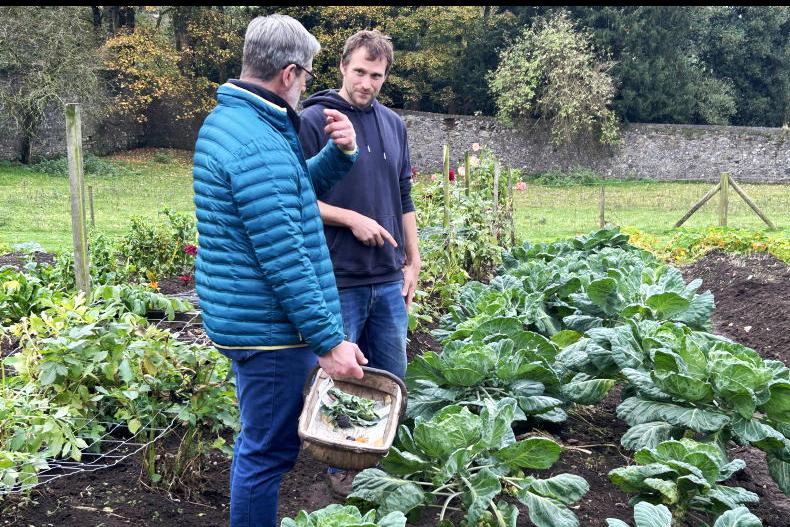
In the historic surroundings of Colebrooke Walled Garden, head gardener and counsellor Dougal Dorman has helped create a unique therapeutic space where growing, cooking and conversation offer a gentler route towards connection and recovery.
Around the fire circle at Colebrooke Walled Garden, the pace of life begins to change. Set among mature trees on the Colebrooke Estate in Co Fermanagh, this is a place where people are given time: time to speak, time to listen, time to notice what is growing and, sometimes, time simply to be quiet.
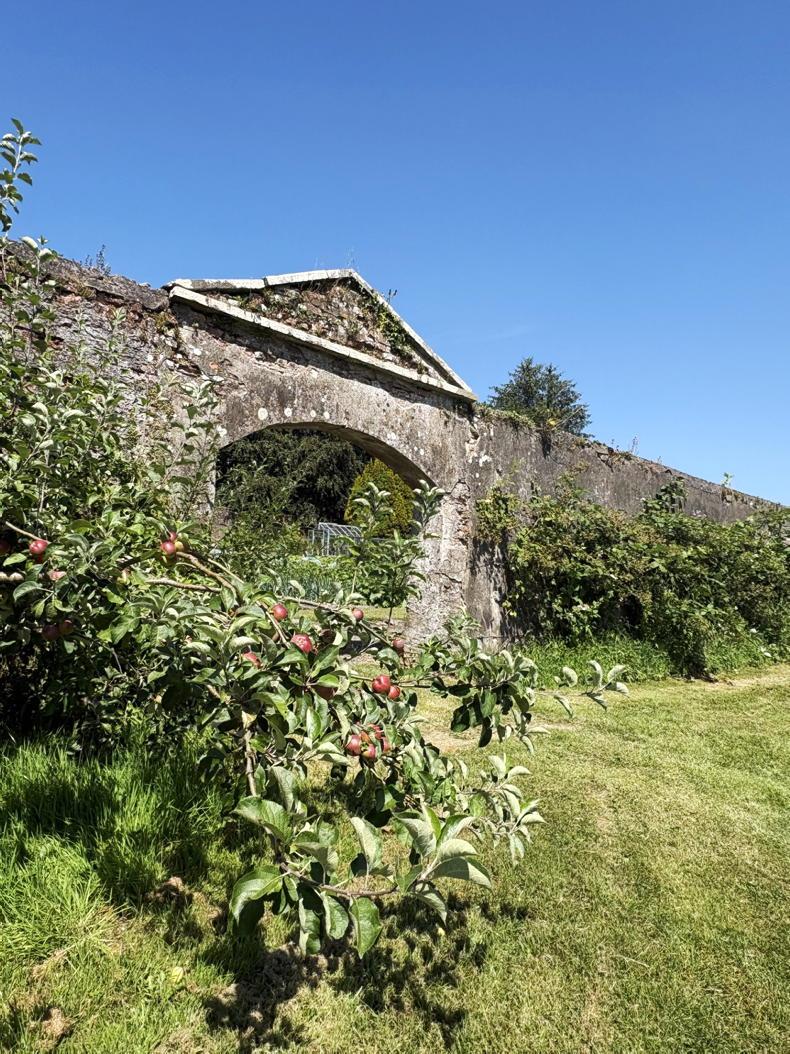
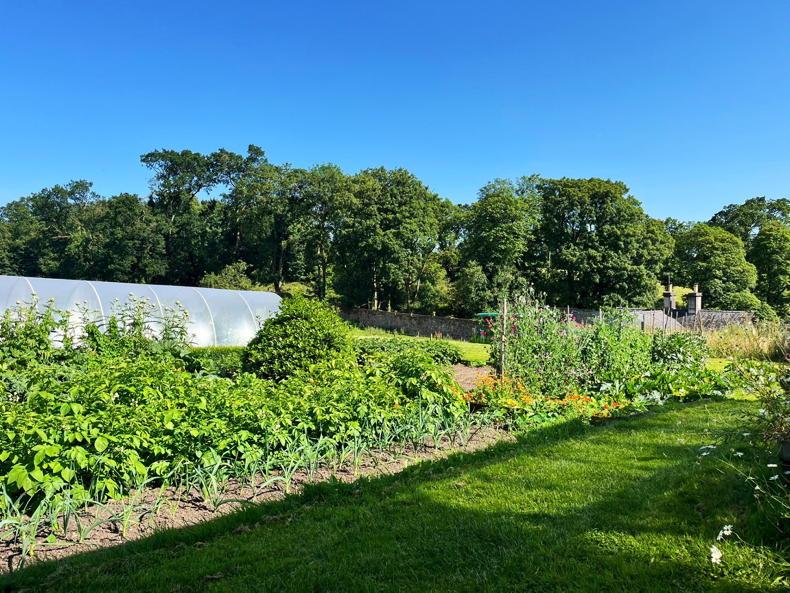
Dating from the 1830s, the garden remains recognisably a traditional walled kitchen garden. Its south-facing slope and high stone walls shelter vegetables, fruit trees, herbs and flowers. An orchard of Irish heritage apple varieties provides juice, cider and vinegar, while potatoes, onions, brassicas, salads and soft fruit follow the rhythm of the seasons.
Yet its produce tells only part of the story. Colebrooke is also a therapeutic garden, supporting veterans and their families, charities, community groups and individuals through horticulture, counselling and nature-based experiences.
Dougal values the unwavering support of Lord and Lady Brookeborough, custodians of the Colebrooke Estate, whose commitment has helped the garden develop into the productive and therapeutic space it is today.
I went through a big mental health situation, and I had to take a bit of time out. Through that year of recovery, I was really drawn to wanting to do something in nature
For Dougal, who has worked here for 16 years, these two working identities are inseparable.
“The plants, the fruit and vegetables and the things that we do are the productive side, but then you’ve got the space for people and community,” he explains. “One bit or the other bit doesn’t get priority. They both work together.”
The garden was highly productive until the 1970s. By the time cultivation began again in 2010, much of the ground had been overtaken by weeds.
Initial plans centred on restoring its historic greenhouse, designed by Richard Turner, who later worked on the Palm House at Kew Gardens and Belfast’s Botanic Gardens. Although the necessary funding was not secured, the attempt gave the garden new momentum.
Fruit and vegetable production expanded, supplying the estate, restaurants and local customers. Workshops and community activities followed, and gradually, the garden became something more.
Therapeutic value
Dougal’s own route into horticulture helps explain the ethos that developed. Raised in Belfast, he was initially drawn to food and cooking, working in cafés and restaurants. Seeing his brother-in-law grow food organically at The Organic Centre in Co Leitrim connected what appeared on a plate with the land from which it came.
That connection became more important after Dougal experienced depression while at university.
“I went through a big mental health situation, and I had to take a bit of time out,” he says. “Through that year of recovery, I was really drawn to wanting to do something in nature.”
He volunteered on outdoor conservation projects before studying horticulture at Greenmount. A work placement at Colebrooke brought him to the garden that would become central to his working life.
“At the beginning, I thought the actual doing was enough,” he says. “I thought that was where the therapeutic value was, in the simplicity of working in a space like this.”
His understanding deepened when the garden began working with veterans through the Aftercare Service. Allotment plots gave former police and military personnel somewhere to meet, grow food and share a cup of tea. That relationship later developed through the Defence Gardens Scheme and Brooke House Health and Wellbeing Centre.
Group sessions
A horticultural therapist joined Dougal in delivering a structured 10-week programme in those earlier years at the garden. While Dougal contributed horticultural knowledge, the therapist introduced reflective conversation, helping participants connect what was happening in the garden with their own lives.
“She grounded it all with conversation, with slowing things down and getting people to do a bit of self-reflection,” Dougal recalls. “Suddenly, I realised there was so much more depth that could go with this work. It really lit something up in me.”
Dougal began studying counselling, initially believing that a one-year certificate would complement his horticultural work. Instead, it opened a new area of fascination and led to further training. He now brings the two disciplines together.
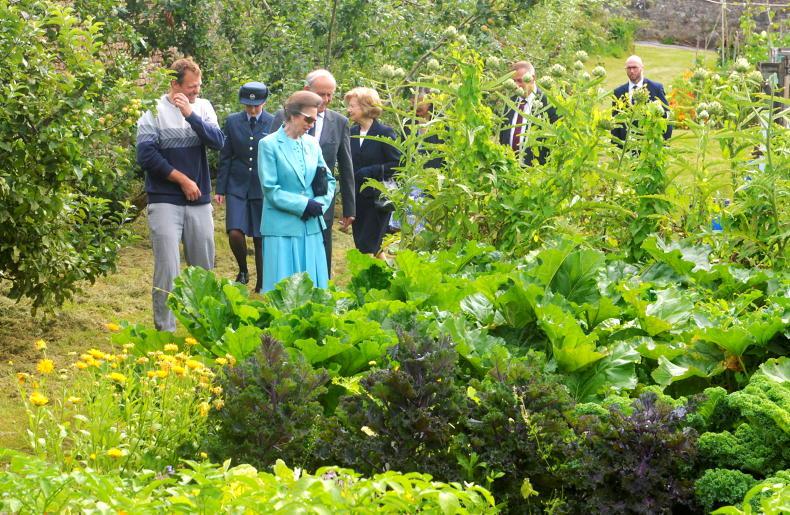
Brooke House remains an important partner. Participants range from veterans of the Troubles to younger former service personnel who served in Afghanistan, as well as family members whose lives have also been affected.
Social connection is central to the work. There are practical tasks, cups of tea, conversations and a great deal of laughter. The garden can also help people move beyond surface-level reassurances.
“We can give people a chance to say how they really are and hopefully be honest about it, rather than just saying everything is okay,” Dougal says.
“The peer support is amazing. Once someone opens up, you see how responsive and sensitive people are, and how accepting the group can be. People really lean into it once they feel safe enough.”
The peer support is amazing. Once someone opens up, you see how responsive and sensitive people are, and how accepting the group can be. People really lean into it once they feel safe enough
For someone apprehensive about entering a clinical environment, the garden can provide a less intimidating beginning.
“In a counselling room, you get straight to the conversation, and that can feel quite scary to some people,” he explains. “Here, there are all these subtle ways in. There’s activity and there’s nature, sometimes as a distraction, but also as an introduction to a space that will hopefully be supportive.”
A typical group session begins beside the fire, where participants check in with one another and consider what they need from the day. The programme can then respond to their energy and emotional state. If people arrive exhausted, plans can be slowed down without losing the gentle structure provided by a shared task.
Activities change with the seasons. Participants may sow seeds, prepare beds, harvest vegetables, make compost, forage in the woods or tap birch trees for sap. They might turn garden produce into pesto or pizza before sitting down to eat together. Space is also made for mindfulness, meditation or simply listening quietly in the woods.
“There are so many laughs and so much enjoyment in the garden, even when sessions can be quite intense, with deeper emotion and sometimes sadness,” Dougal says. “Having an activity to go to, and a seasonal part of the garden to explore, or to say hello to the ponies or hens, can really lift things.”
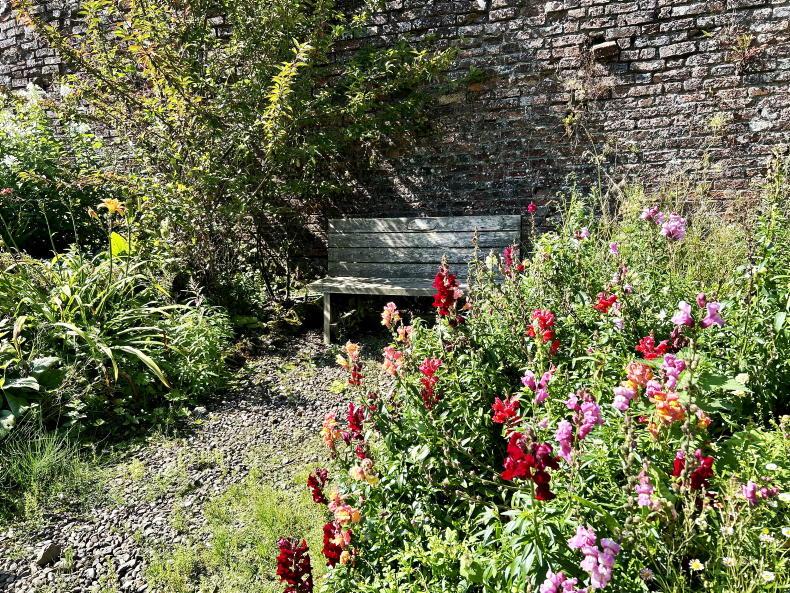
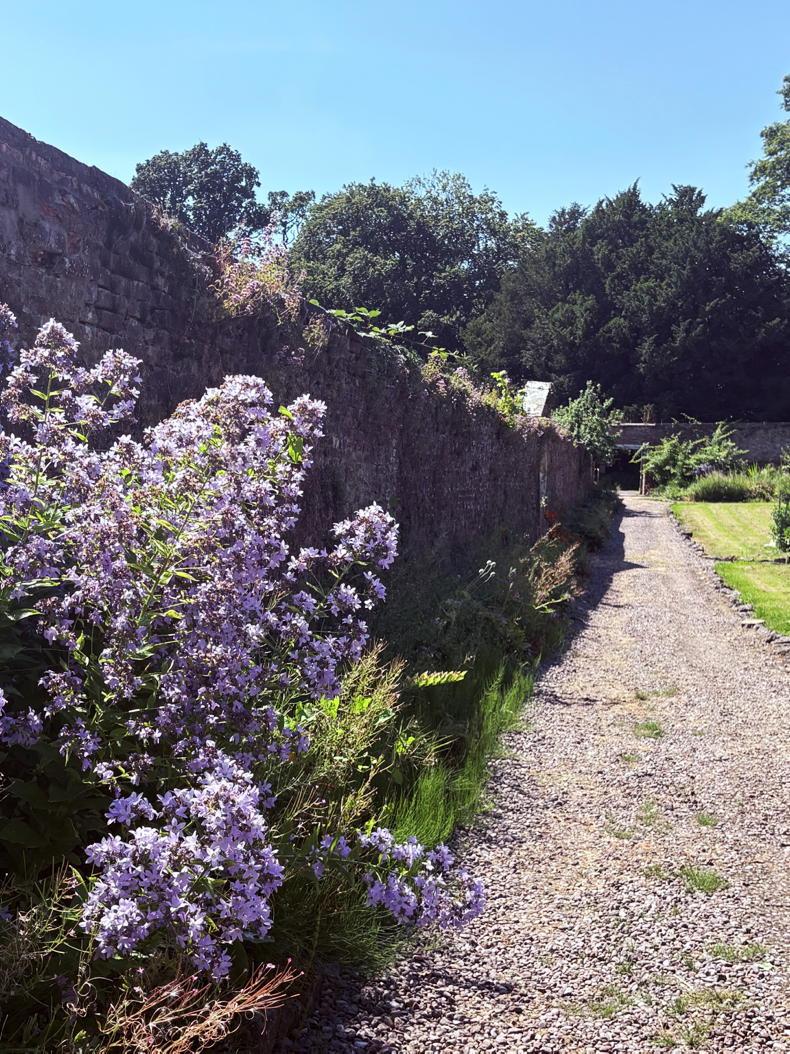
Working side by side also changes the dynamic of therapeutic conversation. Dougal describes two people weeding a row of onions. Their hands are occupied and their attention is shared between the task and one another, allowing conversation to find its own rhythm.
“You might talk about the weeds or the soil and laugh because you’ve dug up an onion by accident,” he says. “Then it gives space for conversation to flow. It feels natural, rather than having that intense focus of sitting one-to-one with nowhere to hide.
“Sometimes people begin talking about something they hadn’t expected to discuss. Gardening and being productive together create good energy for conversation.”
Not every activity needs to uncover something profound. Everyday conversation, enjoyment and belonging are valuable in themselves. Knowing that deeper support is available allows participants to approach it in their own time.
Legacy projects
The physical fabric of Colebrooke reflects this spirit of reciprocity. Veterans helped lay paving, build the covered gathering space and create a pizza oven from Colebrooke clay, sand and straw. Others used joinery, welding and building skills to make benches, a barbecue and practical structures. These “legacy projects” allowed participants to leave something useful behind while making the garden more welcoming for those who followed.
Alongside Dougal, psychotherapist and nature-based therapist Anja Rösler helps deliver programmes adapted for different groups and individuals. Colebrooke’s therapeutic work is now widening to include cancer support, Women’s Aid, primary schools, private referrals and other charities and healthcare partners.
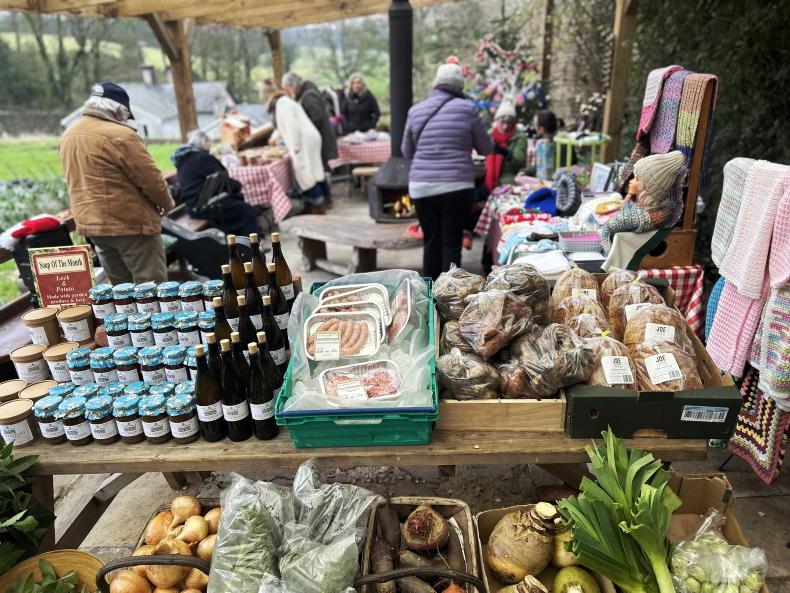
Sessions may be held individually or in groups and can include counselling, nature therapy, horticultural therapy, mindfulness, soil-to-fork activities and equine-assisted activities.
As its reach grows, Dougal is determined to protect the quality that makes the garden distinctive: its refusal to hurry.
“The more therapeutic work we do, the slower we do things, because that rhythm seems to be what is really important for people,” he says. “The world outside seems to be moving faster. This is a wee bit of a safe haven from how intense it can be.”
Dougal believes Colebrooke must remain productive and financially sustainable, but not at the cost of the people or land within it. Its work is deliberately small-scale, seasonal and human.
“It is about being slower, a bit more deliberate and a bit more honest with ourselves,” Dougal says. “It is about not burning out and not trying to do so much that it becomes unsustainable.”
Nearly 200 years after the first crops were grown within its walls, Colebrooke is still feeding people. Its harvest now encompasses much more than fruit and vegetables. It includes confidence, companionship, honesty and the possibility of beginning again.
See Instragram @colebrooke-tg


SHARING OPTIONS