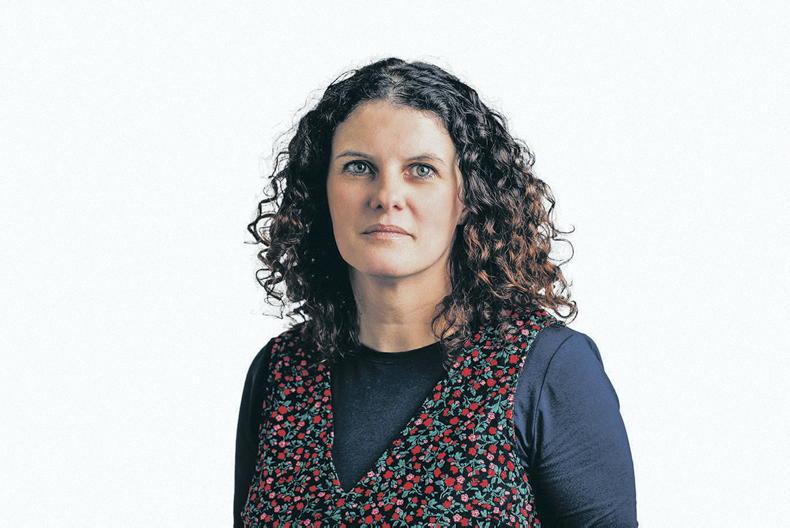
Let me tell you about my cousin Kate O’Kelly – she had a wicked sense of humour, a love for music, especially Robbie Williams and was talented at crafts. She loved to have fun and was a warrior in ways many can’t even imagine. And she died, at 31 because of the horrific condition that is Friedreich’s Ataxia.
As kids, we played together as cousins do – making up dances and getting our hands dirty creating mud pies. But there is one memory that sticks out, the summer evening that Kate fell off her bike. We were on the little country road outside her house and I saw Kate wobble, swerve right and then left, falling off her little bike. A car rounded the corner, stopping in time but she nearly got knocked down. I remember the tears and the feeling of a pit in my stomach when the ambulance arrived. The details are blurry but the memory is etched in my mind because I remember wondering why does Kate keep falling?
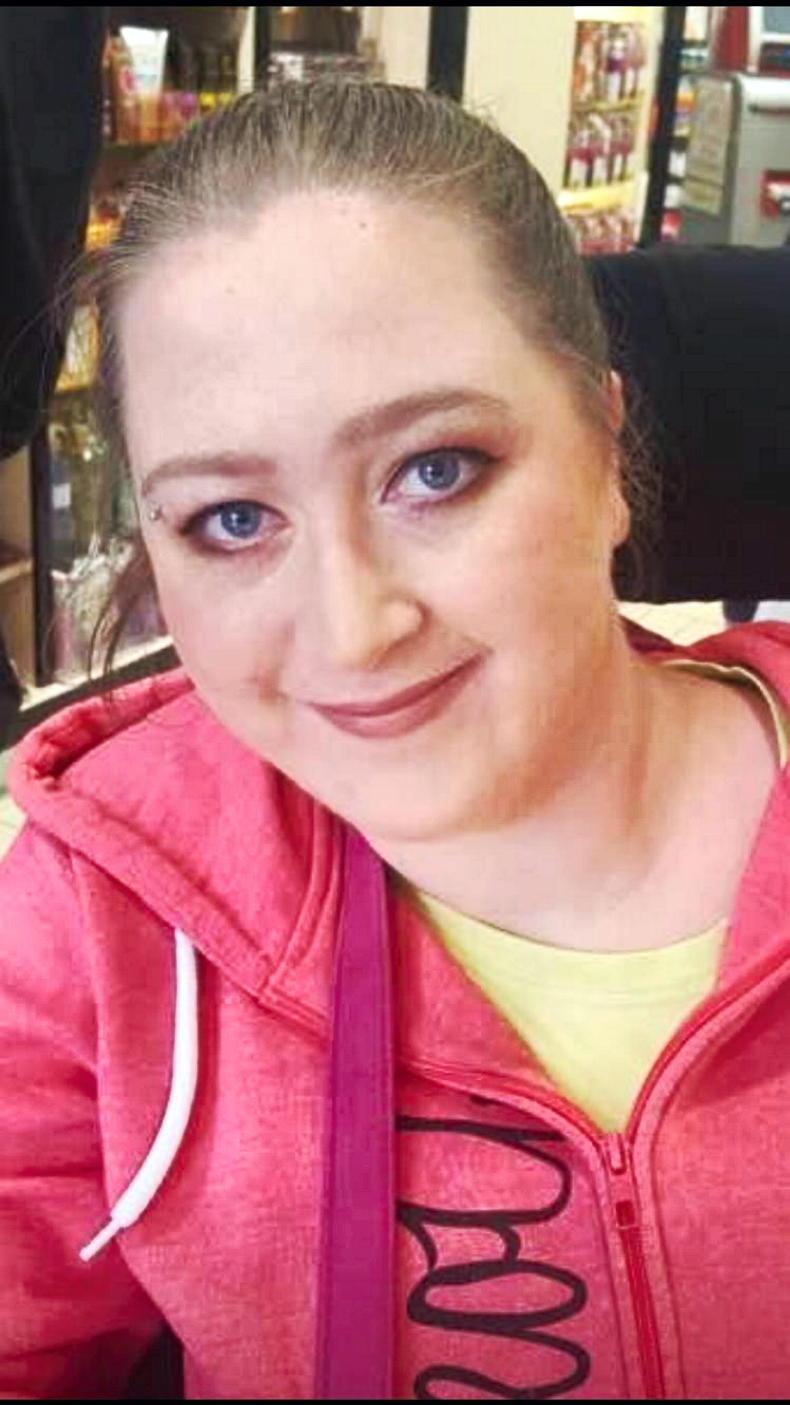
The answer came when Kate was 10, and she was diagnosed with Friedreich’s Ataxia, a rare, genetic disorder causing progressive nervous system damage. As a teenager, I heaved crying when Dad explained her condition, telling me there was no cure. Now as an adult, as a parent, I think about my uncle Jim and aunt Hilary and the moment they were given that devastating diagnosis, and how they had to explain it to Kate.
Over the years, Kate’s condition declined – her walking deteriorated, and she became wheelchair bound, her speech slowed and slurred; the muscles in her upper torso weakened, affecting her ability to sit and in the end, her heart gave up. In 2017, our lovely Kate died at home on a May day surrounded by family, friends and lots of love.
That was nine years ago and Kate has this amazing way of sending signs – honestly, the song Angels plays in the most unexpected and perfect moments. We could never forget her but she’s been in my thoughts more than usual over the last few weeks since hearing about the development of the omaveloxolone drug (Skyclarys) – which remarkably can stall and, in some cases, stop the progression of Friedreich’s Ataxia. It cannot reverse the symptoms, but to those in the early days of diagnosis, it offers life and hope. However, it is not available in Ireland. It is approved in other EU countries like Germany, Spain, Italy, Czechia and Greece, but in Ireland, the National Centre for Pharmacoeconomics (NCPE) recommended that the drug should not be considered for reimbursement – as detailed by Rosalind Skillen in Irish Country Living, due to the cost.
In recent weeks, people affected by Friedreich’s Ataxia – those with the condition like Emily Felix featured in the piece and parents of young people who have been recently diagnosed – are putting their voice out there as they fight for this drug to be approved. And they are fighting – for their life, for their children’s lives. I have cried tears of anger listening to them because we as a family saw the reality of this devastating disease, and Jim and Hilary experienced the unimaginable grief of losing their daughter.
How can you put a price on someone’s life? It may be a rare condition, but every life matters. On Monday, Taoiseach Micheál Martin met with Craig Coady. His son Rory (13) passed away from Friedreich’s Ataxia in 2025, and his son Paudie (16) also has the condition. The Taoiseach gave assurances the situation would be re-looked at, but there is an absolute urgency to this. As each day passes that this drug is not approved, people with this condition are deteriorating. The decision has to be reviewed, for every single sufferer of Friedreich’s Ataxia in this country, to give them the life, the mobility, and the freedom that our lovely Kate never got.