



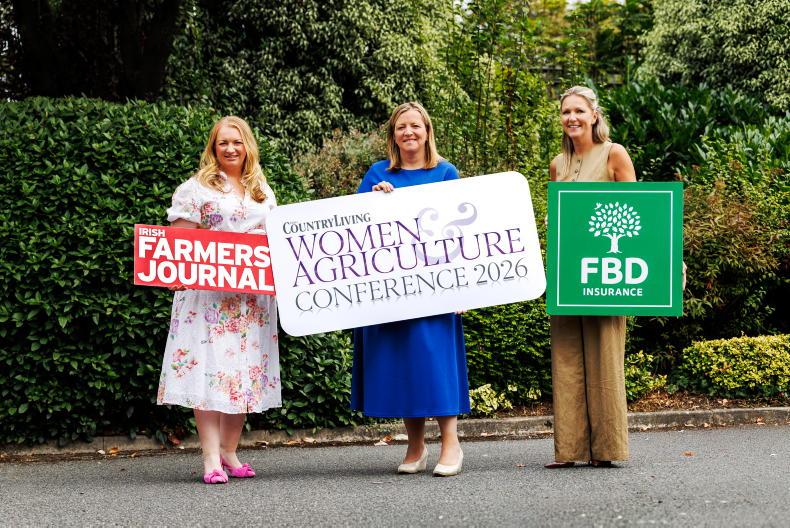
We’re just a week away from our Women & Agriculture conference, supported by FBD Insurance. Taking place in the Radisson Blu Hotel in Little Island, Cork, there are a very limited number of tickets available. Excitement is also building for the Wednesday night, as we are hosting a dinner to celebrate the International Year of the Woman Farmer (IYWF), supported by Bord Bia and Ornua. Rachel Allen will be joining us to discuss the evolving role of women farmers in Ireland.
Across the world, farming and agriculture continues to evolve and, in some areas, women are leading the way. Mary Robinson brought this idea to life last week in Dublin when she spoke during the Institute of International and European Affairs (IIEA) panel discussion for the IYWF. As part of her work with Project Dandelion, a women-led campaign for climate justice, Ms Robinson said, “I have seen again and again, women are not simply affected by the changes taking place in our climate and in our food systems, they are the agents of change.”
She brought the audience to India and told them about SEWA (Self-Employed Women’s Association). This trade union is made up of almost four million women, 200,000 of which are cotton farmers, who are increasingly exposed to climate change with drought, extreme heat and rainfall, resulting in major crop failure.
“But these women are remarkable innovators,” said Robinson, explaining they developed an insurance programme around these climate conditions. In three years, their membership has grown from 21,000 to over one million women, who make contributions to the fund. And when climatic events impact them, payments are triggered, with the help of satellites to help them recover losses and get back farming.
In Ethopia, water management is a major concern and women now make up 25% of the workforce managing local water systems. “The results have been remarkable,” Robinson said, explaining that “communities now have reliable year-round access to water and one growing season has become three.” Better food security and nutrition as well as stronger local economies are all benefits of this change in approach.
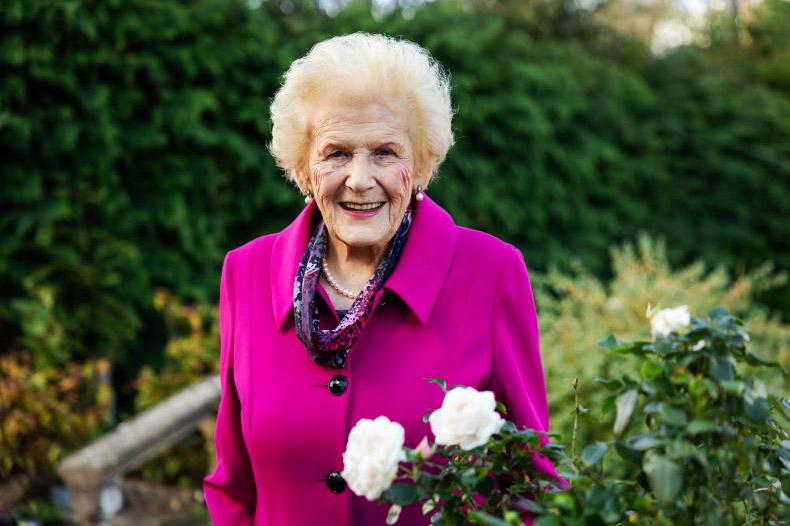
Mary Robinson: even when farmers have no cash, the seed bank operates a simple loan system. A farmer receives 1kg of seed and after the harvest, returns two
For the women of Nairobi, preserving their native seeds has been the focus. The women-led Kabudi-Agoro Community Seed Bank is a living library of indigenous seeds which farmers can access. Robinson explained, “even when farmers have no cash, the seed bank operates a simple loan system. A farmer receives 1kg of seed and after the harvest, returns two.” The farmer can grow, the bank expands its reserve, and more seed becomes available for the community. It’s a seed multiplier.
These examples are ingenuity at its best – it’s not just about having food now, it’s preserving and building knowledge for the future. They show, not just how women have innovated, but how they reacted to change in the face of adversity.
Sometimes it can feel like the conversations and actions on climate change take place in government buildings and boardrooms. But these women, who are dealing with climate adversity – in a more immediate and extreme way than we currently face in Ireland – have literally taken things into their own hands. They recognised what was needed on the ground to protect farmers and what would drive progress forward. We can all learn from that.



SHARING OPTIONS