




“Overall average farm income in 2017 is estimated to have increased by about 30%, to about €31,900, compared with €23,500 in 2016. This increase is driven largely by the improvement in dairy farm and to a lesser extent in tillage farm incomes,” said Teagasc's head of rural economy and development Dr Kevin Hanrahan at Tuesday's outlook conference.
Teagasc estimates key changes in farm incomes this year as follows.
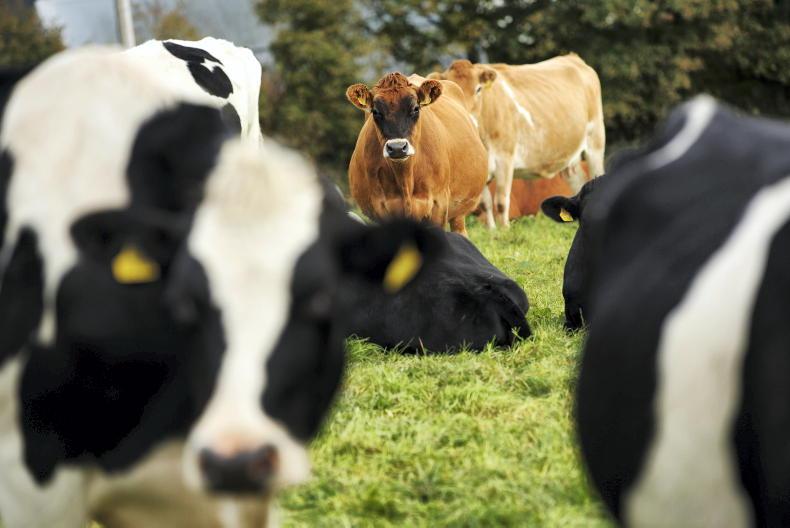
Dairy
At €90,000, the 2017 average dairy farm income is the highest ever calculated by Teagasc. A 30% increase in millk prices and relatively cheap inputs drove margins. The figure does not include the cost of family labour.
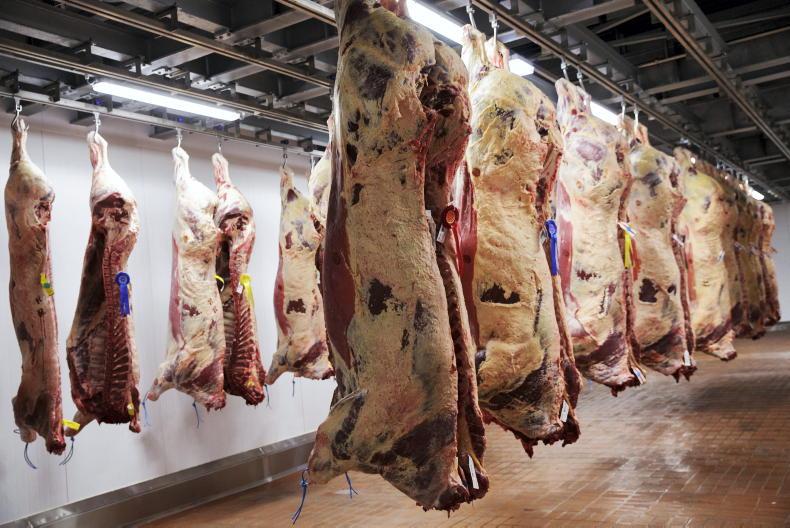
Beef
The lift in the price of finished cattle in the second half of this year has helped finishers and sellers of autumn weanlings. Spring weanlings, however, were worth less than in 2016. Overall, Dr Jason Loughrey of Teagasc sees 2017 suckler income as stable while cattle finishers benefit from an 8% increase in gross margin.
"Gross and net margins on both cattle rearing and cattle finishing farms are forecast to increase in 2018," Teagasc estimates.
Sheep
Income on sheep farms improved due to higher lamb prices and higher support payments, Teagasc found.
Tillage
Improved grain and straw prices allowed "partial recovery" on tillage farms, but those in the northwest once again faced difficult weather conditions.
Pigs
Teagasc recorded a better year for pig farmers, with significantly higher pig prices and stable feed costs.
Forecast
Teagasc economist Trevor Donnellan said that overall, average farm income is likely to be down in 2018 and is estimated to be just over €29,800. That would represent a 6% reduction on the estimated 2017 figure.
However, this will still mean that the average farm income in 2018 will be among the highest experienced in recent years. The main reason for the anticipated decline in 2018 will be the drop in dairy farm incomes.




SHARING OPTIONS