



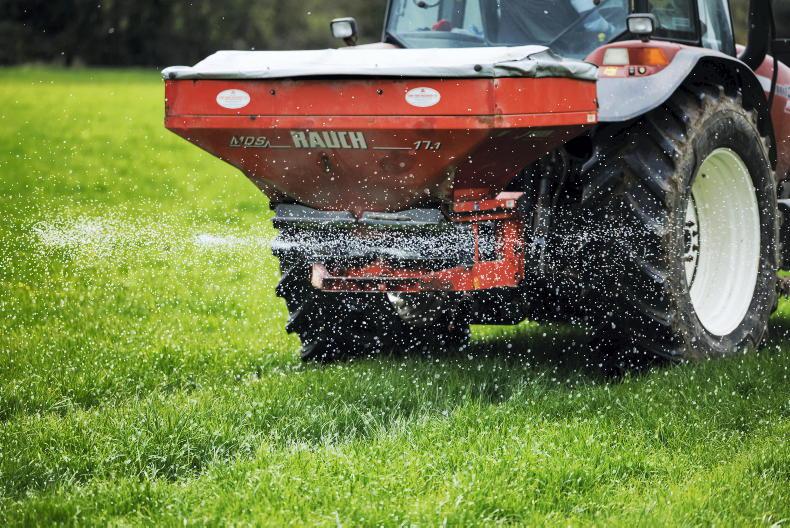
Fertiliser
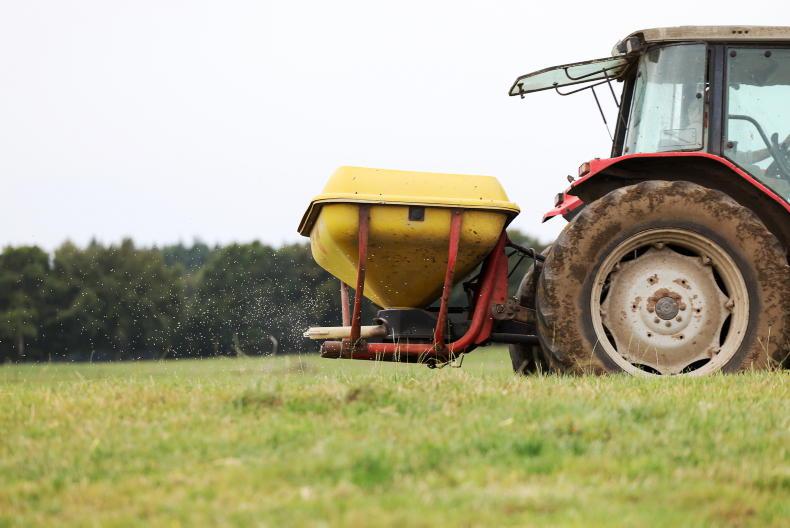
The last day that chemical nitrogen or phosphorus can be spread is 14 September and the last day that slurry can be spread is 30 September. There are a number of sources of nitrogen within a farming system and applied nitrogen, whether in fertiliser or slurry is just one of them.
Clover is an obvious source of nitrogen, but a lesser known source is mineralisation of nitrogen from the soil itself. The availability of all three sources of nitrogen will have a big impact on grass growth as we head into the autumn.
It’s also important to note that the autumn is the highest risk time for nitrate leaching.
That is why the closed period for spreading slurry has been brought forward. Mineralisation rates are determined by soil temperature and length of day. It is generally greatest at this time of year and lowest in the spring, hence applying fertiliser is so important in spring to get grass growing.
Soil temperatures are around two degrees Celsius higher than normal, but after a wet summer I suspect the rate of mineralisation will be much lower than if it was a dry summer.
In terms of spreading rates, where there is little or no clover I would suggest that 20 to 30 units/acre of nitrogen is sufficient to drive on grass and minimise risk of losses. Where there is good clover, less than 20 units/acre should suffice. Whether or not any nitrogen is required on clover fields is open to debate.
Worms
I’m hearing that there are a lot of problems with worms in calves this summer. The wet summer is likely to lead to higher incidence of hoose or lungworm, while stomach worms seem to be a problem in calves also.
If unsure, take dung samples for analysis and decide on appropriate treatment then. Lungworms won’t show up on dung samples but if the animals aren’t coughing then they are unlikely to have lungworm.
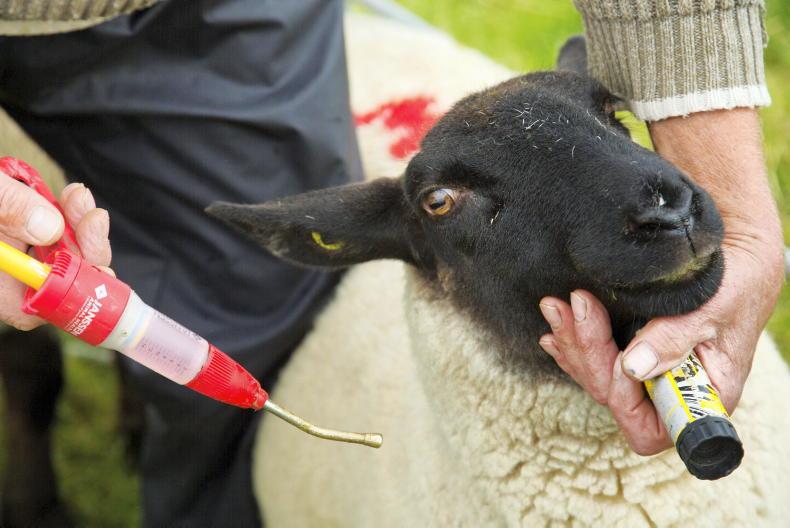
Most injections and drenches will treat stomach worms and lungworms. Fluke is another possible problem, and farmers in high risk areas (wet land) may consider dosing for fluke earlier this year if they suspect there is a problem.
Very poor thrive is the main symptom of fluke. Looking back to the wet summers of 2009 and 2012, rumen and liver fluke were a big problem the following winters.
Salmonella
Now is the time to vaccinate pregnant cows and heifers against salmonella. A salmonella outbreak can lead to early abortions, so vaccinating protects the cow and the foetus.
Heifers and cows that have not been vaccinated before will need two shots around three weeks apart, while cows that are vaccinated annually will only need one shot.
Liners
Liners in milking machines need to be changed every 2,000 milkings or every six months. This means that if a new set was installed before the start of calving, they will need to be replaced around now.
New liners reduce the risk of liner slip, mastitis and teat end damage, and also speed up the milking process. Get two or three buckets of hot water. Place the new liners in one bucket and dip the clusters with old liners in the other buckets.
The hot water will soften the rubber and make it much easier to take off old liners and put on the new ones.



SHARING OPTIONS