It was another dramatic week on the European dairy market, with significant drops in the price of butter and cheese, along with most other dairy commodities.
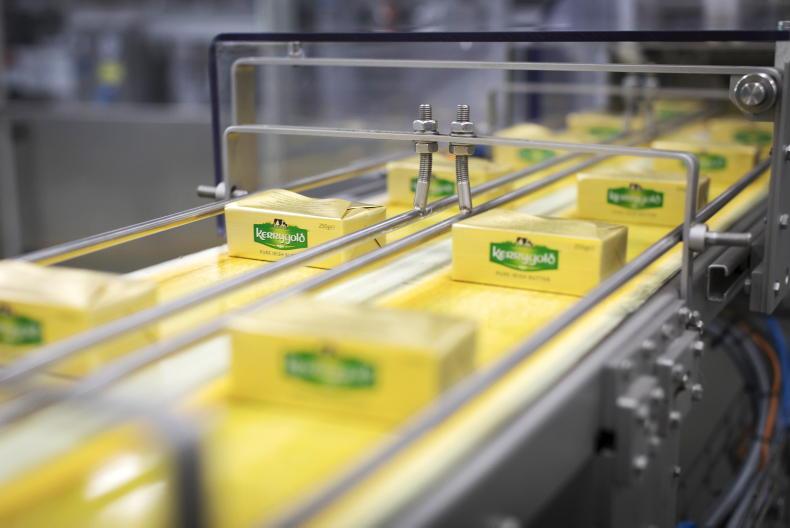
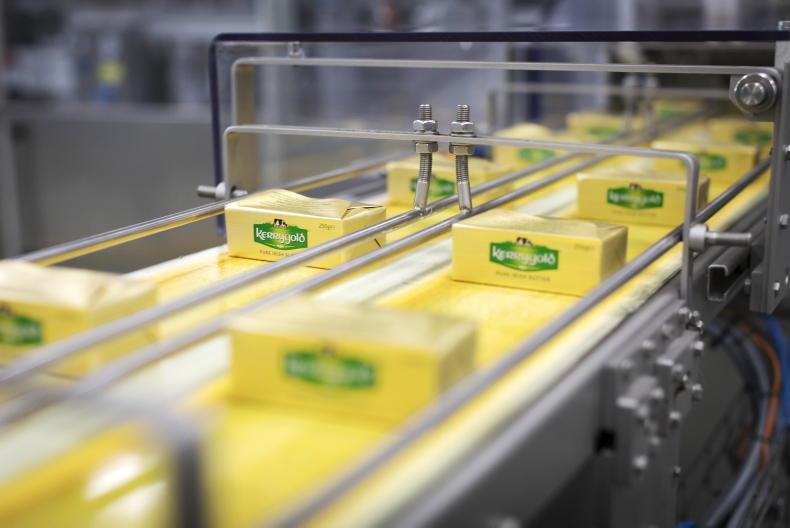
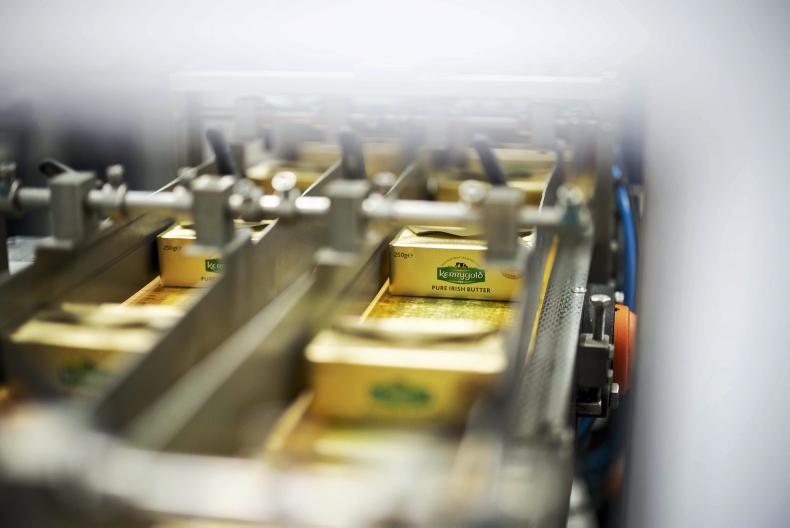
At this stage, the price of butter has fallen so far below where it was just three or four weeks ago it’s almost unrecognisable. To put it in context, butter was trading in Europe for between €7,000/t and €7,500/t for most of 2025.
The most recent price we have for butter at the time of going to press is €5,440/t which is a 25% drop in the price.
Pointing to a reason for such a sharp price drop is hard, and the general consensus is that it’s more to do with sentiment than hard market fundamentals. Having said that, when supply goes up and demand stays the same or falls, then it’s expected that price will fall. However, it’s hard to figure out how the changes in milk supply could have such a big impact on the market prices, as the expectation is that global supply will be only up slightly.
This time last year the outlook for milk supply was poor, as Europe was battling with bluetongue and the US was battling bird flu. Neither are as big concerns now, and that’s leading to a big increase in output from the US, but Europe is still flat. The latest figures from Netherlands, Germany and France are still down in supply relative to last year, although not by as much as they were earlier in the year.
While butter is taking the brunt of the drop, prices for cheese and powders is also under pressure.
It was another dramatic week on the European dairy market, with significant drops in the price of butter and cheese, along with most other dairy commodities.
At this stage, the price of butter has fallen so far below where it was just three or four weeks ago it’s almost unrecognisable. To put it in context, butter was trading in Europe for between €7,000/t and €7,500/t for most of 2025.
The most recent price we have for butter at the time of going to press is €5,440/t which is a 25% drop in the price.
Pointing to a reason for such a sharp price drop is hard, and the general consensus is that it’s more to do with sentiment than hard market fundamentals. Having said that, when supply goes up and demand stays the same or falls, then it’s expected that price will fall. However, it’s hard to figure out how the changes in milk supply could have such a big impact on the market prices, as the expectation is that global supply will be only up slightly.
This time last year the outlook for milk supply was poor, as Europe was battling with bluetongue and the US was battling bird flu. Neither are as big concerns now, and that’s leading to a big increase in output from the US, but Europe is still flat. The latest figures from Netherlands, Germany and France are still down in supply relative to last year, although not by as much as they were earlier in the year.
While butter is taking the brunt of the drop, prices for cheese and powders is also under pressure.









SHARING OPTIONS