



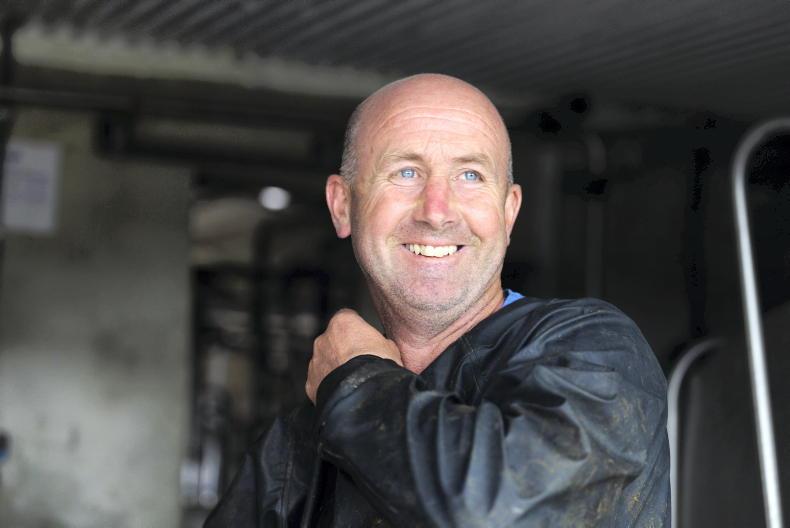
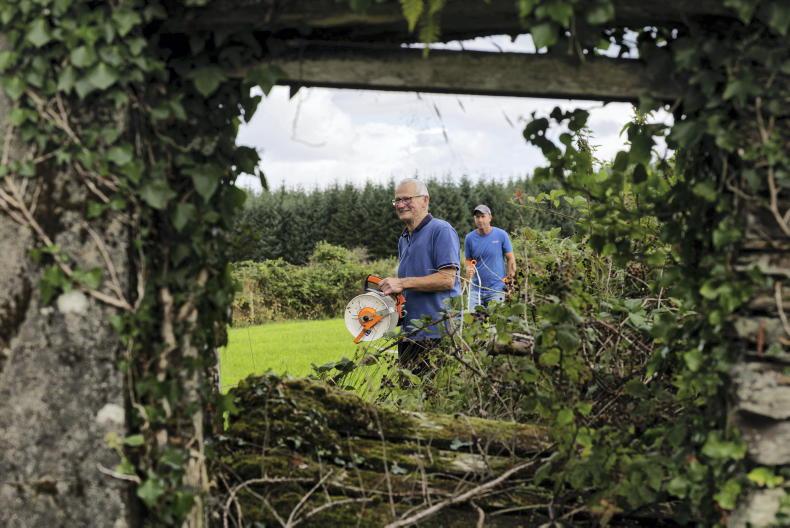
The dairy story here in Maulatrahane, Leap, Co Cork, predates Donal O’Donoghue by three generations. His grandfather Timothy milked six or seven cows in the 1940s. His parents, Donie and Hannah-Mary, then farmed the holding and raised their family from it. Donal remembers that the 16 cows were enough for his parents to live well and bring up their children, an achievement he respects more, not less, after building the herd himself.
After attending Darrara Agricultural College in 1999, Donal returned with a clear intention to farm. He began developing the holding and Donie retired in 2004, but there was no single dramatic transformation.
Marginal ground was reclaimed, more land was leased, roadways and yards were improved and cow numbers rose when the farm was ready.
“There is always something that can be improved,” he says. The latest work is additional slurry storage and housing at the home yard: another practical step, rather than expansion for its own sake.
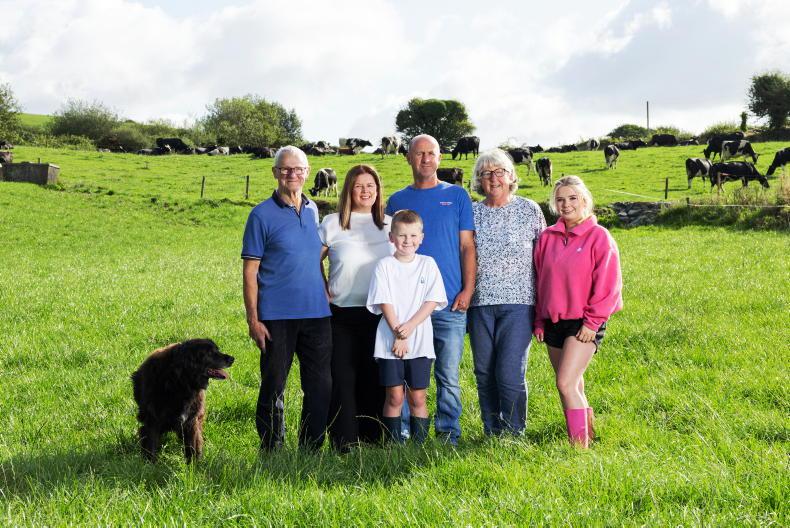
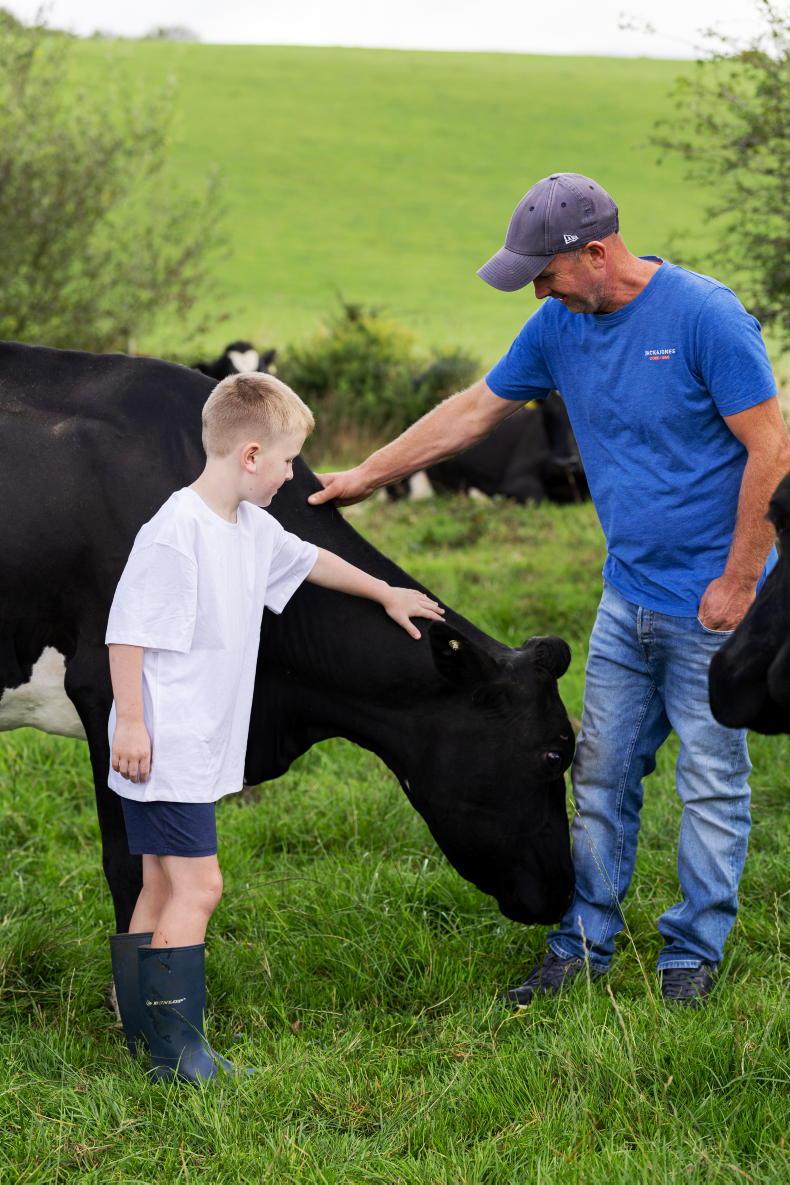
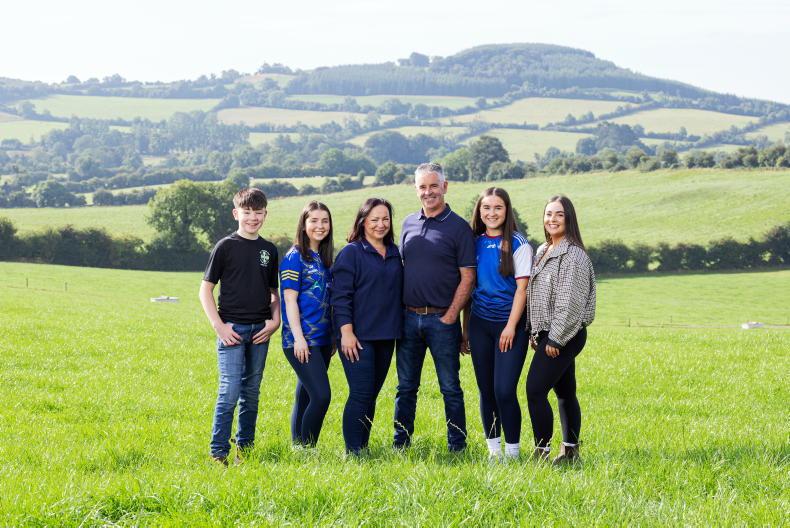
The family remains visible in the way the place works. Karina, Donal’s wife combines farm life with her job in AIB in Skibbereen. Daughters, Alanya, now a teacher, and Neela, who is preparing for her Leaving Certificate, are part of the wider team; eight-year-old Darragh is already useful at herding. Donal’s nephew Cian steps in for machinery work and milking. The arrangement is informal but real: when the work gathers, the family gathers with it.
If there is a signature to the milk that leaves Maulatrahane, it is not a single headline figure, but a quiet reliability. Total bacterial count sits in the single figures for most of the year, the mark of a parlour run in the same disciplined way at every milking.
Donal milk records four times a year and treats each report as information rather than paperwork: any cow whose cell count edges up is CMT-tested, the offending quarter identified, and if it does not respond, she is dried off and given her chance again next year.
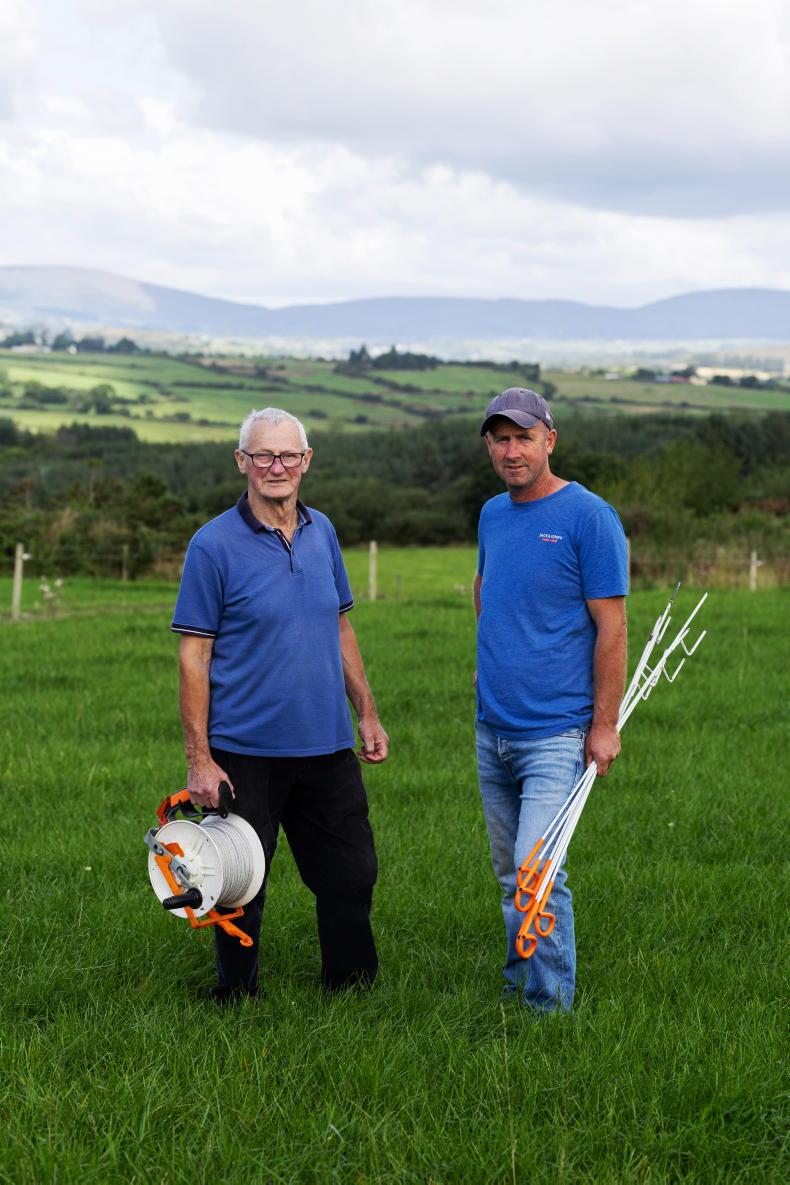
Some of the most valuable infrastructure at Maulatrahane does not appear on a farm map. It is the friendship with his neighbour Brendan O’Driscoll of Shreelane. Brendan and Pauline represented Drinagh nationally in the 2019 NDC & Kerrygold Quality Milk Awards, when their transformation of difficult rocky ground into highly productive dairy land earned the Development Award.
Donal admires what Brendan created and describes him as both a sounding board and someone he shares important jobs with. Drying off is a good example. Brendan helps Donal one day and Donal returns the favour on Brendan’s farm. Brendan’s son Sam also provides relief milking. There is no invoice that can fully value that kind of neighbourliness, yet it is the oldest idea in the co-operative movement: farmers sharing labour, knowledge and confidence, so that each farm is stronger.
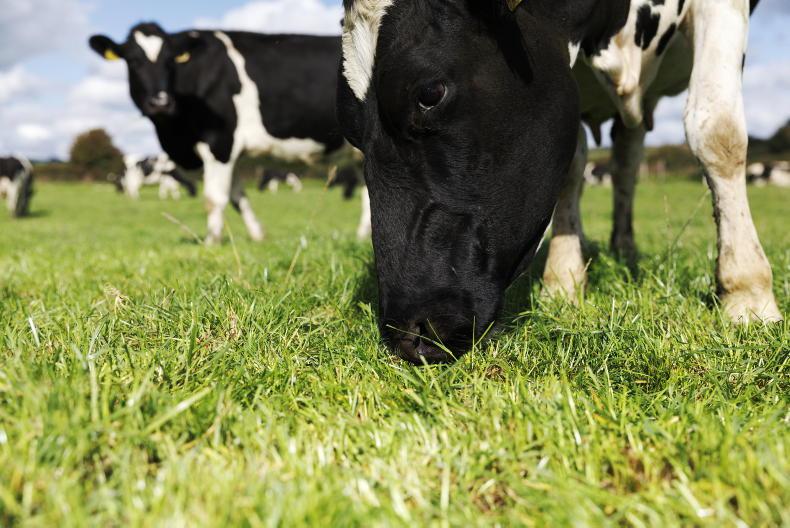
At 2.4 cows per hectare, the farm is deliberately not overstocked; there is room for grass to grow and for cows to graze it. Clover is worked into every reseed to trim the nitrogen bill, the wet spring tested it, as it tested everyone’s, and roughly 60% of the platform now carries clover. Silage is all baled, no pit, fed out three times a week, and grass is walked and budgeted on PastureBase, with covers held around 1,500kg DM/ha. The result is a farm that treads lightly: a carbon footprint of 0.93kg CO2 equivalent per kg of fat and protein-corrected milk, comfortably inside the low band that makes Irish grass-based milk among the least carbon-intensive in the world.
Breeding too is consistent; British Friesian AI is used to begin, twice a day for a while, then two Hereford stock bulls to finish, with bulls chosen for protein above all. It is a policy built for a herd that lasts and it shows in the tank: butterfat of 4.38%, protein of 3.76% and 504kg of milk solids per cow.
Away from the yard, Kilmacabea GAA is the family’s great outlet. Donal played for years and the club remains part of family life. The same instinct that has him home early each evening also protects time for matches, family occasions and the ordinary evenings that can disappear when a farm is allowed to consume every available hour.



SHARING OPTIONS