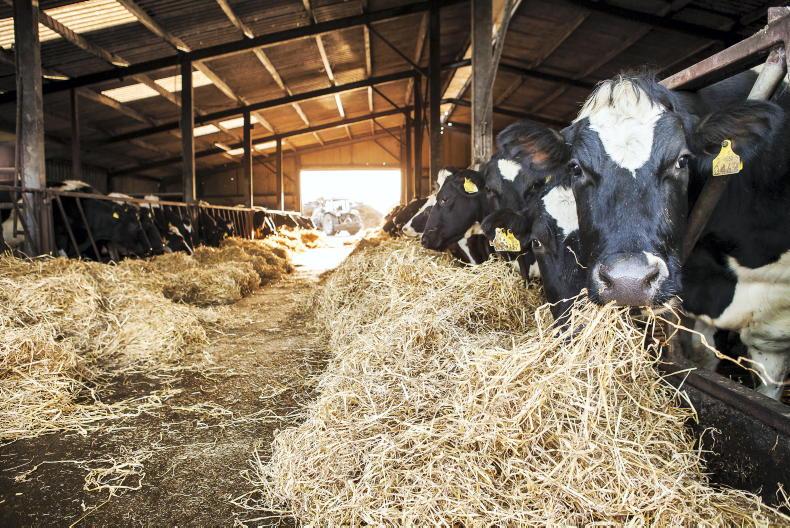
Drought, changing weather patterns and increasing pressure on forage supplies are challenging traditional approaches to winter feeding. For Irish dairy farmers, the focus is shifting beyond simply optimising diets towards building the flexibility to adapt when conditions change.
With silage supplies under pressure, this winter presents an important test of that approach. Decisions made before housing will influence not only how effectively farmers manage available feed, but also cow health, calving performance and the productivity of the next lactation.
Review the previous season
Review what worked last year and where problems occurred. Spring calving happens within a tight window, leaving limited time to correct issues. Preparation should focus on body condition, management, minerals and nutrition.
Body condition: cows should reach their target condition before drying off and maintain it throughout the dry period. Even average-quality silage can add up to 0.5 body condition score units so if the decision is to add condition during the dry period then it needs to be controlled. Uncontrolled gain can substantially increase the risk of problems around calving by 800% also reducing intake post calving.
Management: remove avoidable stress from the system. Review cow comfort, feed and water access, cubicle availability, cow flow and the calving area. Correct bottlenecks that restrict lying time, feeding or movement before housing.
Minerals: analyse forage and build the dry cow mineral programme around the results. More than 900 Alltech grass-silage mineral tests completed over the past two years show recurring macro- and trace-mineral shortfalls that can affect calving, immunity, somatic cell count and fertility.
Iron, potassium and sulphur, which can act as mineral antagonists and reduce availability, are present at high levels. Dry cow mineral selection should therefore account for both deficiencies and antagonists, with appropriately selected organic mineral sources included to fill shortfalls and to bypass these antagonists.
Nutrition: base the 60-day dry-period diet on silage analysis. This is especially important for later cuts harvested in September or October, where quality and preservation can vary. More than 4,500 InTouch silage analyses completed over the past five years recorded an average DMD of 69%. Offered ad libitum, silage of this quality can drive excessive weight gain. Analysis will show whether straw, concentrates or other feeds are needed and help avoid underfeeding or excess energy intake.
Complete a realistic feed budget
Calculate animal numbers, expected days on feed and total forage requirements, then include a reserve for poor weather or delayed turnout. Small changes can make a significant difference over several months. Moving surplus stock or finishing suitable cattle rather than carrying them through winter may release valuable silage.
If the budget identifies a shortfall, act early. Purchased grass silage is an obvious option, but maize silage, beet or moist feeds may offer better value when assessed on dry matter and quality. Reserve higher-quality feeds for fresh-calved cows or higher-performing animals; well-preserved, lower-energy silage can suit dry cows. Include delivery, storage and wastage in the full cost. Where this approaches the cost of concentrates, additional concentrate for performance stock may be simpler.
Straw provides fibre and bulk while conserving silage. Each kilogram can reduce fresh silage intake by up to 5kg, provided the diet is balanced and straw is mixed consistently. On a 100-cow farm, this could save up to 180 tonnes of silage. Higher inclusion rates may require a feed wagon and additional concentrates, depending on silage quality and cow requirements. Within a balanced programme, straw can also help control body condition and mineral intake.
Concentrates can also replace some silage, although the substitution effect declines as feeding rates rise. Initially, 1kg of concentrate may replace approximately 4kg of fresh silage; above 2-3kg, the diet loses some of the fill supplied by forage and fibre. It might also be more suitable in production diets avoid driving intake and energy supply in dry cow diets.
Mineral balance also matters, as high levels of pulp-based feeds may affect calcium levels in dry cows.
Although planting time has passed this year, forage crops may be a cost-effective option for the early dry period, reducing feed, housing and management costs. During the final month, however, controlling intake, body condition and mineral supply becomes more important and may be difficult outdoors in unfavourable weather.
Reduce feed waste before buying more feed
Reducing waste is another major opportunity. Research has shown up to 25% of forage can be lost between the field and the clamp, while InTouch analysis of more than 1,200 farms indicates that feed-out losses can exceed 20%.
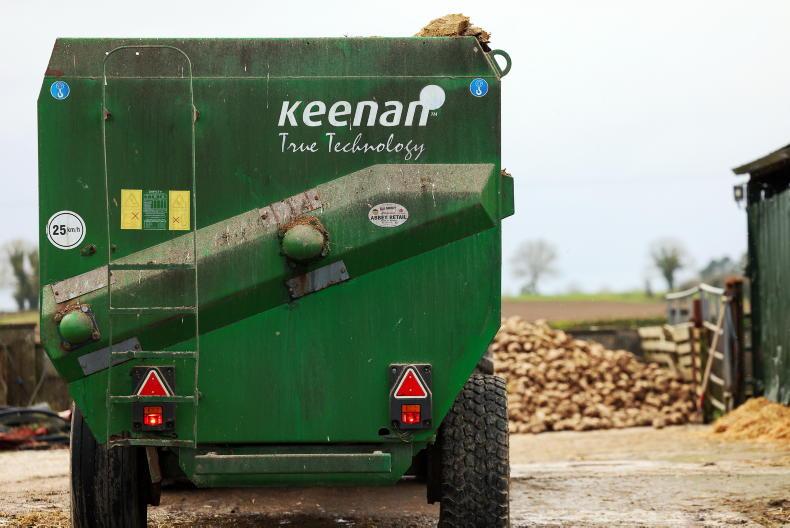
Losses appear as forage left in the field or clamp, pit effluent, refusals in the feed passage or manure heap. Better management can protect valuable tonnes without changing the diet. Even a 1% improvement in feed out losses was worth €2,500 per farm. The lesson from recent weather challenges is clear: successful winter feeding requires more than an efficient diet. It requires the flexibility to respond to changing forage availability, quality and animal requirements. By planning early, understanding the nutritional value of available feeds and adapting diets accordingly, farmers can make better use of their resources while protecting herd performance and profitability.
In an increasingly unpredictable farming environment, flexible feeding and informed nutritional advice will become ever more important.
To discuss your dry cow feeding plan with one of our nutritionists, visit the Alltech stand at Dairy Day on 14 November.