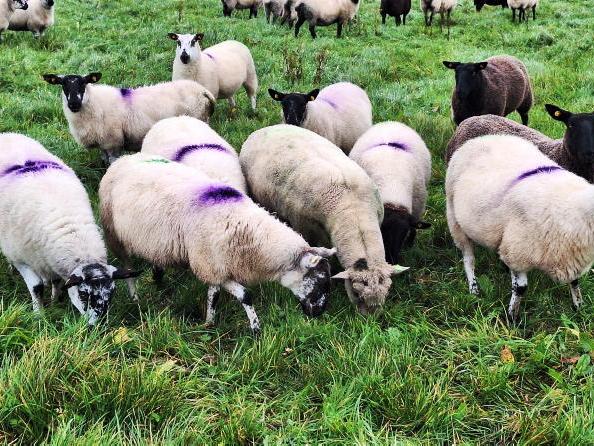
Early gestation feeding: Ewes which have conceived should be retained on a high level of nutrition for the first month of pregnancy to safeguard attachment to the wall of the uterus, in turn reducing early embryo loss and ensuring optimum development of the embryo(s).
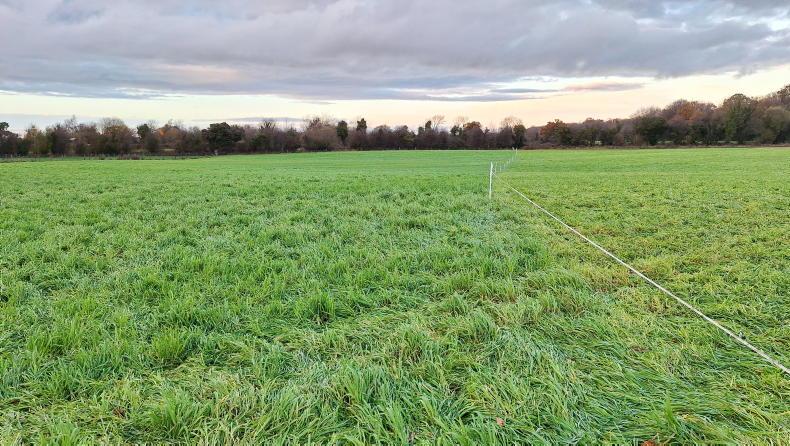
Conditions are as close to ideal as possible at present in terms of grass utilisation and feed demand but it is worth keeping on top of grazing management to ensure nutritional intake is not compromised.
Once ewes are safely in lamb, they can be used to graze out paddocks before closing or grass which has accumulated over the autumn into heavier covers which will satisfy nutritional demand.
For earlier lambing flocks, nutrition in mid-pregnancy will be influenced by body condition. Research has shown that a small level of weight loss, to a maximum of 5% of bodyweight, can have a positive effect on placental development and performance of the foetus(es).
Remember that ewes should be in a position for this to happen and remain on target to enter late pregnancy in a body condition score of 3-plus. Any period of severe undernourishment and weight loss will lead to poor development of the placenta.
Closing targets: Teagasc advice on closing targets for flocks operating a mid-season lambing enterprise at a medium- to high-stocking rate (10 to 12 ewes per hectare) is to have 20% of the farm closed by late October, 40% by mid-November, 60% by late November and 80% by mid-December.
There may be a temptation given the good spell of weather and grass growth since paddocks were first closed to go back in and graze these areas. Doing so will have a big impact on grass supplies next spring resulting in higher feed costs and should be avoided.
Marketing lambs: A significant differential remains in certain parts of the country between prices on offer from factory agents and those being paid in mart sales. The latter higher prices are being underpinned by wholesale interest in certain marts and provide an alternative outlet for heavier lambs in particular. It is worth assessing your options with a price differential of anywhere up to €15 to €20/head, plus, evident in sales benefitting from higher competition.
Ventilation in sheds: Daytime temperatures remain relatively high which in turn is leading to higher temperatures in sheds and increasing the risk of disease where ventilation is poor or where there is a risk of draughts and significant temperature shifts between day and night.
If ventilation is thought to be an issue then it is well worth purchasing smoke pellets or smoke test kits that can be used to monitor airflow within a shed. These kits are relatively low cost and can be easily used. They can be purchased online or in some builder providers or specialist outlets providing heating, gas products or ventilation systems.
2027 LambPlus participation: The application window for participating in the Sheep Ireland LambPlus programme for the 2027 calendar year is now open. Full details can be found at www.sheep.ie/lambplus/.