A veterinary inspector has denied that the Department of Agriculture had possession of a Mayo farmer’s calving book, as defence counsel questioned whether its alleged retention prevented him from complying with requirements concerning his herd.
The trial of Seán Coughlan and Coughlan Farming Ltd also heard evidence from another veterinary inspector, who described the inside of a milk-collecting jar as filthy and said slurry was running into a drain beside the milking parlour.
A veterinary surgeon who treated animals on the farm subsequently told the jury that laboratory testing had confirmed an outbreak of mycoplasma bovis, which he described as one of the most difficult forms of pneumonia to treat.
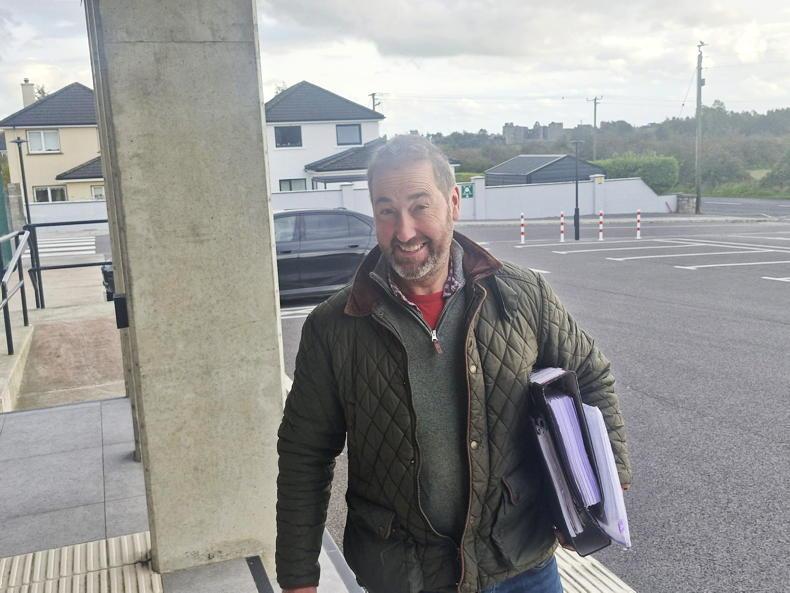
Mr Coughlan of Cum, Laharane, Ballina, Co Mayo, and the company, for which he is sole director, have pleaded not guilty to a combined total of 78 charges connected to the welfare of animals on a farm at Laragan, Elphin, Co Roscommon.
The trial is being heard before Judge Kenneth Connolly and a jury at Roscommon Circuit Court.
Mr Coughlan is represented personally by Bernard Madden SC and Patrick O’Sullivan BL, instructed by Kamal Vaid, while Coughlan Farming Ltd is represented by Fergal McMorrow BL, instructed by Matthew Kenny.
Calving book
Cross-examining veterinary inspector with the Department of Agriculture, Food and the Marine James Casey, Mr Madden put it to him that Mr Coughlan’s calving book had been in the Department’s possession for some time.
“No, I don’t agree with that,” Mr Casey replied.
Asked where the book was, he said he did not know and denied that anyone working in the Department had possession of the book.
Mr Madden also questioned Mr Casey about improvements Mr Coughlan had undertaken or proposed following the inspections of his Elphin farm on 23 November and 29 November.
The inspector agreed that Mr Coughlan had told him he was having a new milking parlour built and that a “very modern” milking parkour was subsequently constructed in July 2023.
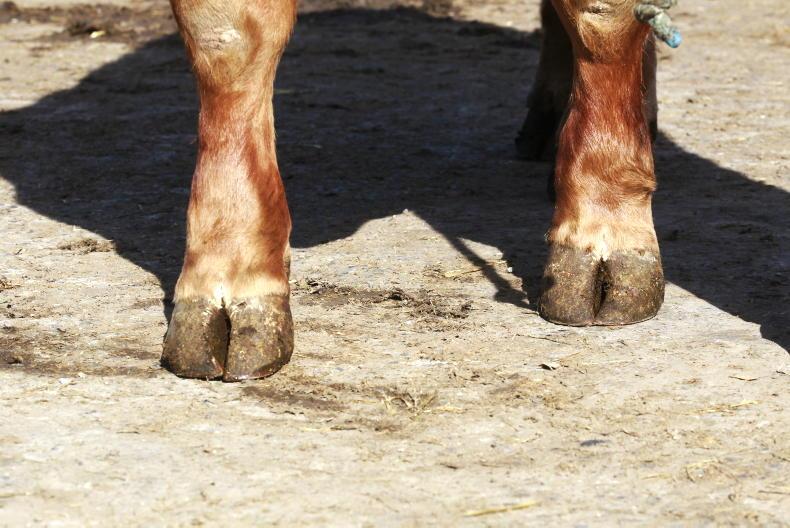
He further agreed that Mr Coughlan had sourced another farmyard where cows could be moved to new cubicles and had told him he was having animals’ hooves pared and looked after.
Mr Madden referred to an exposed area, which Mr Coughlan had agreed to roof when the weather was less windy. Mr Casey agreed, but clarified that the existing structure was “a platform” rather than a shed.
When it was put to him that a good number of the requirements imposed following the November inspection had been completed within a short period, with others to be addressed over Christmas, Mr Casey accepted that the time of year would have presented difficulties.
However, he said some requirements could have been met and no start had been made on others.
There was no evidence that the calves about which inspectors had expressed concern on 29 November had been checked by a vet, he said.
TB testing
When Mr Madden once again referred to the calving book allegedly being held by the Department and the need for calves to be uploaded to the system for TB testing, Mr Casey said this was “completely irrelevant to whether a farmer can call a vet out to check on sick calves or not”.
The jury subsequently heard evidence from veterinary inspector Treasa McManus, who was assigned to the group examining the milking parlour during the 29 November inspection.
The milking jar was filthy inside and there was milk inside
She said more than 250 cows were gathered in the area. Some had access to silage, while others were in the crowded yard. An adjoining cubicle area had no roof or walls, an open slurry tank was full and cows were standing in approximately three inches of slurry, she said.
She outlined to Seán O’Quigley BL, instructed by State solicitor for Co Roscommon Kieran Madigan, that the milking parlour appeared to be a temporary structure, with a sheeted roof, no lateral walls and approximately 18 milking units.
Ms McManus described the parlour as “filthy dirty”, with contamination caked on to the clusters and their protective seals, which were not inserted to protect them from contamination.
“The milking jar was filthy inside and there was milk inside,” she said, adding that the seal at the top was dirty and the inside of the jar appeared not to have been cleaned. The exterior was also so dirty that it was difficult to assess whether the jar had been properly cleaned.
The clusters should have been bright silver, she said, but the dirt was so dried in that rubbing it with a finger would not remove it. The washing-up area was also full of rubbish and was filthy, she said.
Outside the parlour, slurry was running into a small drain, which she described as bad for the environment.
Veterinary surgeon John McCourt, who has a practice in Strokestown, subsequently told the jury that he knew Mr Coughlan through attending sick animals on the farm. He had visited on numerous occasions since November 2020.
He confirmed that there was “definitely an outbreak of mycoplasma”, which had been confirmed by laboratory testing.
The prosecution case is expected to conclude on Tuesday, with the remainder of the trial to run until Friday of next week.