



With well over four inches of rain recorded in places last week, fields are waterlogged on most farms and neither animals nor tractor are able to travel. From West Cork to Antrim, the story is the same. Many of our GrassWatch farmers recorded between 80mm and 110mm of rain (between three and four inches) over the last week alone.
The met station at Claremorris, Co Mayo, recorded over 50mm (over two inches) from Friday to Monday alone. Similarly, the station at Shannon recorded over 60mm (three inches), with stations in the east of the country receiving 40mm to 50mm last weekend. Let’s hope a wet January delivers a dry February.
Soil temperatures have been creeping upwards and most farmers are reporting that they have seen grass cover increasing over the winter weeks with many reporting growth rates from 2kg per day right up to 7kg or 8kg per day in the milder areas on good dry soils.
Nitrogen
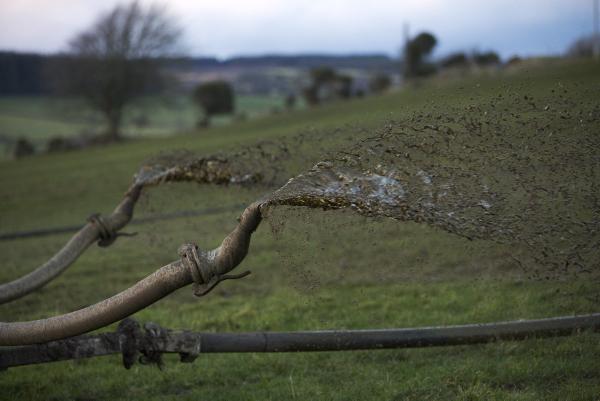
The exceptional January rain has delayed all farmers getting out with bag nitrogen and slurry. Many farms badly need to spread slurry as tanks are filling up but waterlogged fields are making this job difficult. Farmers all over the country have nitrogen in yards ready to spread but little, if any, has reached the fields.
There is a lot more grass on farms compared with last year but grazing it off is the challenge.
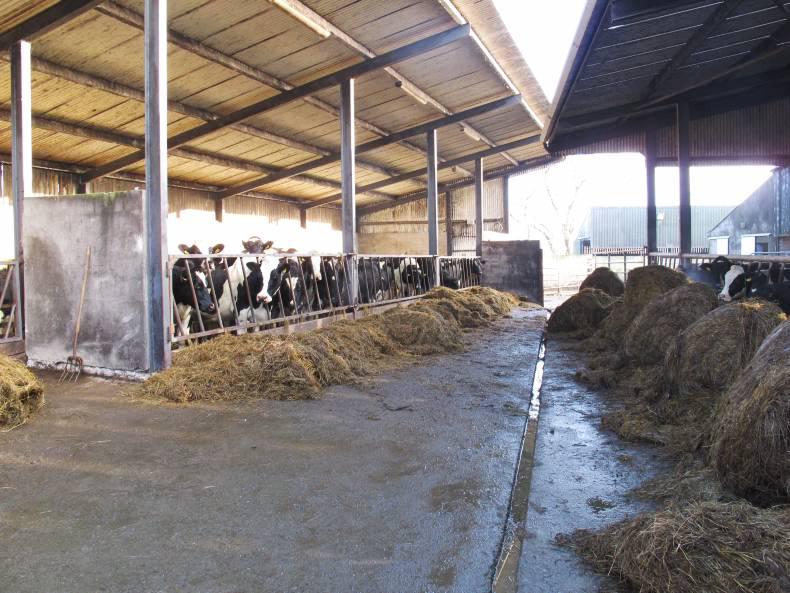
Most farms in the Republic have started to calve this week but getting freshly-calved cows out is difficult. Many farmers have no choice but to hold them indoors and supplement them with the best silage they have in the pit and purchased meal.
Monitor condition score
I see in-calf heifers and cows getting very fat on some farms where silage quality is good. Remember, fat cows can be as much of a problem as thin cows. Restrict silage, if necessary, or feed poorer quality roughage in between good quality feeds.
Some of the issues with low condition score pre-calving are also linked to fat cows and they include difficult calvings, weak calves, retained cleanings, infections, ketosis pre-calving, low intakes after calving, potentially milk fever and displaced abomasums.
Cow dry matter intake declines by at least 20% in the last few weeks pre-calving but, at the same time, the energy demand of the cow increases by 16% to 17%, so make sure that cows near calving have good feed space to allow them time to eat enough.
The energy demand of a cow in late pregnancy is approximately 7.7 units of energy (UFL) and this can be met with good silage fed ad lib.
With low digestibility silage (64 to 65 DMD), this intake of energy is not achievable and feeding 1kg to 2kg of meals might be necessary.
Steven Fitzgerald, Farm Manager, Teagasc Curtin's Research Farm
Calving is in full swing and we have 17 calved today (Wednesday) with more expected in the coming days. We have a few of the heifers holding the cleaning after calving but no major issues to report. Eight in-calf heifers have calved so far. They are in-calf to sexed semen and, so far, we have seven heifer calves and one bull. The freshly-calved cows go out by day and stay in on silage at night. We are letting them into covers of between 900kg and 1,000kg. They get 4kg of meal daily (2kg in the morning and 2kg in the evening).
We have three paddocks with heavy covers of grass out of 18 paddocks. These paddocks have a cover of over 2,200kg. These paddocks won’t be grazed until mid-February when we have a good few cows calved and they are used to eating grass again. Ground conditions are not good enough for grazing these paddocks at the moment. We are carefully watching where the cows are grazing and using different gateways.
Our opening cover was about 900kg which means we grew about 8kg to 10kg of grass per day over the winter. We have spread 3,000 gallons of slurry on one third of the farm this week on the low grass covers and we have spread a half bag of urea per acre on the rest of the paddocks (two thirds of the farm).
Tom Lyng, Farm manager, Greenfield Farm, Kilkenny
We had over 30 cows calved (half heifers/half cows) before our due date, which was Tuesday 28 January. Cows are calving on the pad and go to grass immediately after calving. They are queuing up to calve so we are preparing for a busy couple of weeks.
We are feeding 3kg of meal per cow and during the very heavy rain over last weekend we let them have some good quality wholecrop silage as well. Rain and wind was sweeping in on the stand-off pad so we had to be careful to gather up newborn calves as soon as possible or they can get a chill.
Cows are in great order and we have to be careful because we are feeding wholecrop cereal silage that is high quality, with a lot of grain, so we don’t want cows to get too fat.
We measured a farm grass cover of 670kg, which means we grew 5kg per day over the winter. We have some heavy covers up to 1,800kg on some of the first paddocks stopped last October. The grass on the farm is green and the autumn phosphorus and potassium looks to be helping growth rates. We are not grazing the heavy covers yet but we are letting freshly calved cows into covers of 600kg near the parlour until numbers calved increase.
We have no bag nitrogen out yet because the paddocks are waterlogged but around here it dries out fast so maybe next week.
Danny Bermingham, Doonbeg, Co Clare
The first cow is in to calve but I’m in no rush because we continued to milk up to late December and, with the rain we have recorded for December and January, there is no rush out to grass around here. We have recorded 200mm (eight inches) in both December and January, so paddocks are wet but I suppose it’s the right time to get a drop. Milk delivered last year came in at 450kg of milk solids per cow.
Silage quality isn’t great even though it was cut in early June. As a result, I think my cows are not in as good a condition as other years. The test results show that DMD is back to the early 60s, so we are feeding 2kg of an 18% nut to about 40 thinner cows and 30 in-calf heifers.
Meal and fertilizer costs were up significantly last year. I feel there wasn’t much we could do about either of them. We spread compound type materials to help phosphorus and potassium and, as part of the heavy soils project this year, we are going to soil sample all paddocks individually rather than as blocks.
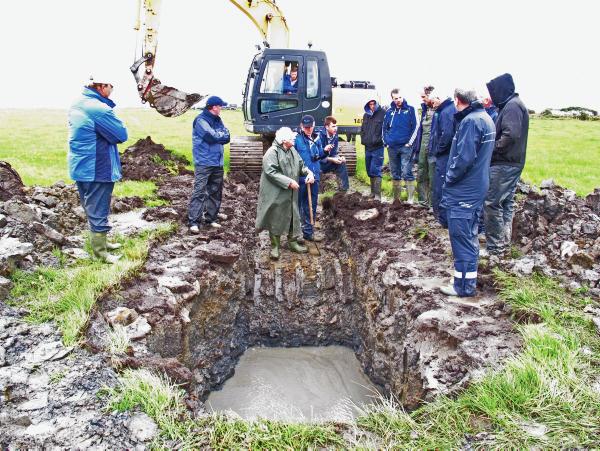
Our trial paddock of mole drainage and collector drains would be wet today after the heavy rain but the difference is that it will dry out much quicker than paddocks which have no drains. We completed a cubicle shed last autumn so, now, we have cubicles for 120.
Jim Garry, Ballynacally, Co Clare
We recorded 104mm of rain since last Thursday and almost half of that came in a day, so water levels are high around here. While it is a lot of rain, I’m happy enough that it is coming now and in a few days it will soak away because there is no stock out on the fields.
We need to get out with watery slurry but there is no chance to get it out yet and moving between tanks might be the solution, if required, in the short term. Silage is tight enough so I’m hoping as soon as cows calve to get a bundle out grazing and that will slow down silage usage. At this time of year with silage moving fast, you wonder if you will have enough but when a few cows start going to grass, the demand drops. We will move some cull cows to the mart on Thursday.
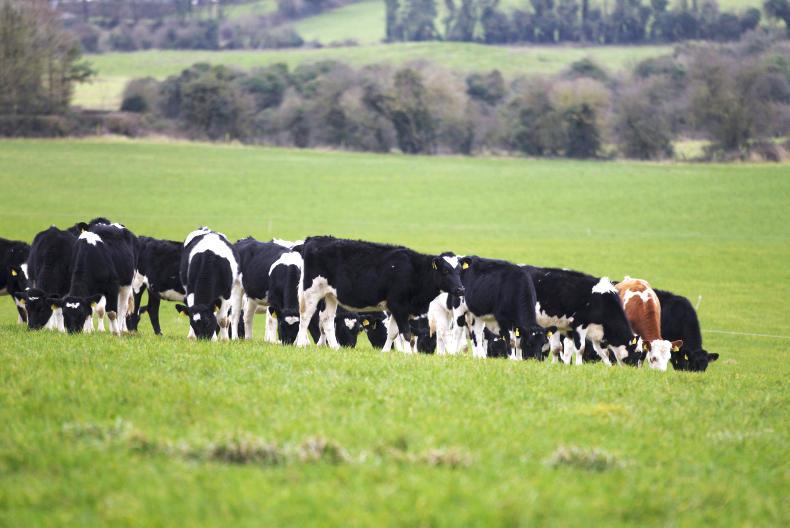
There is a good bit of grass on the farm but I haven’t completed a walk yet so I can’t put a figure on it. As we got little or no frost, it is waving in the wind and, hopefully, we won’t get any serious frost which would kill it off. We will let freshly calved cows into light covers with 700kg to 800kg and wait until numbers increase before grazing the paddocks with a heavy cover of grass.



SHARING OPTIONS