Farmer Focus:
Richard Starrett,
Lifford, Co Donegal
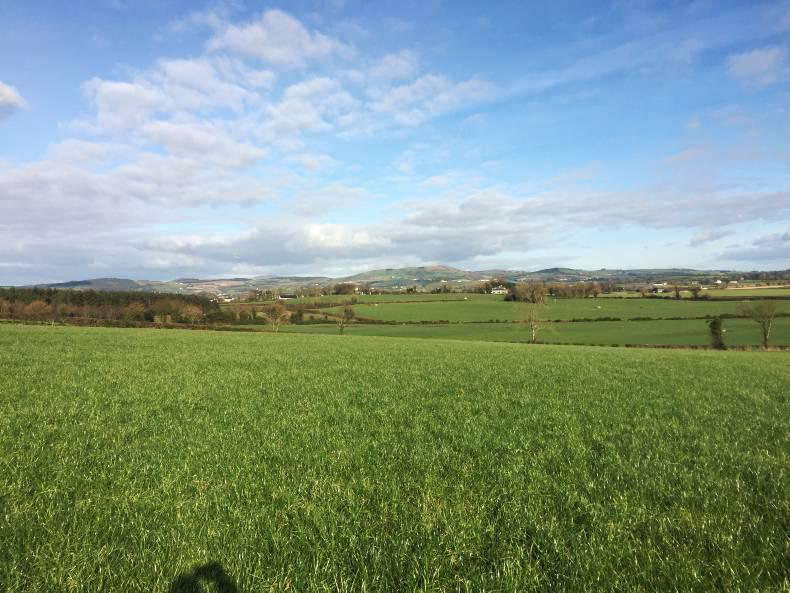
Richard is milking 160 cows on a 54ha milking platform (2.96 cows/ha) overlooking the River Finn near Lifford. The Starrett farm is south-facing, but steep. The lowest point of farm is at sea level, while the top of the farm is at 600ft above sea level. Despite this, Richard grew 13t/ha of grass last year.
Land is of reasonably good quality, but as Richard says, it takes work. Most of the fields have been drained. He has installed stone drains up to the surface across the slopes of fields to take away excess runoff during heavy rain.
ADVERTISEMENT
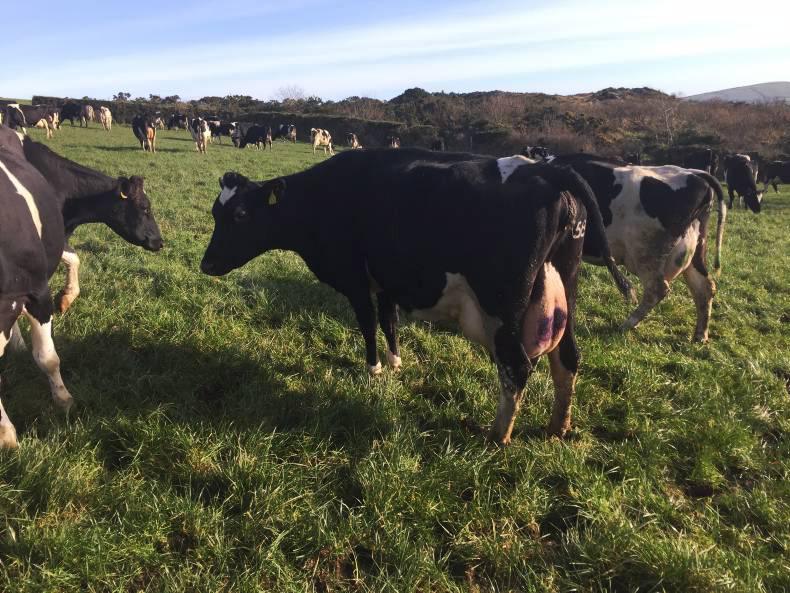
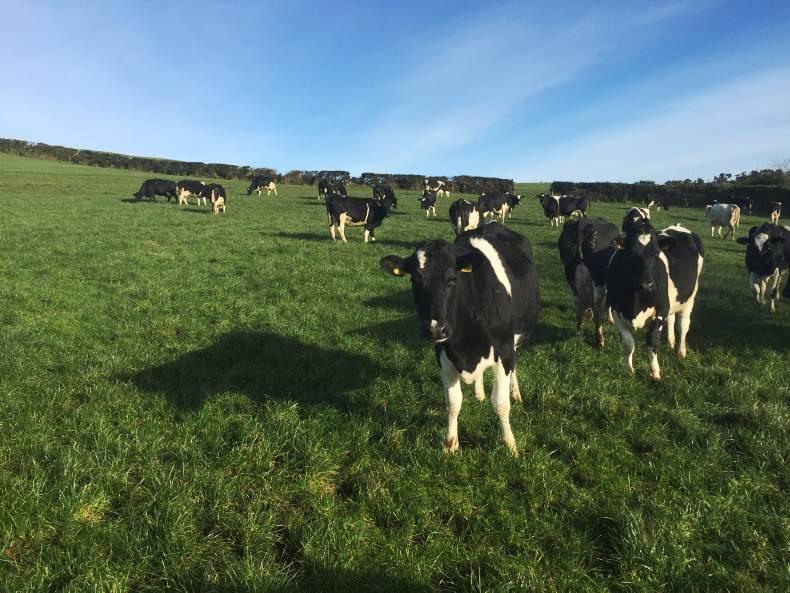
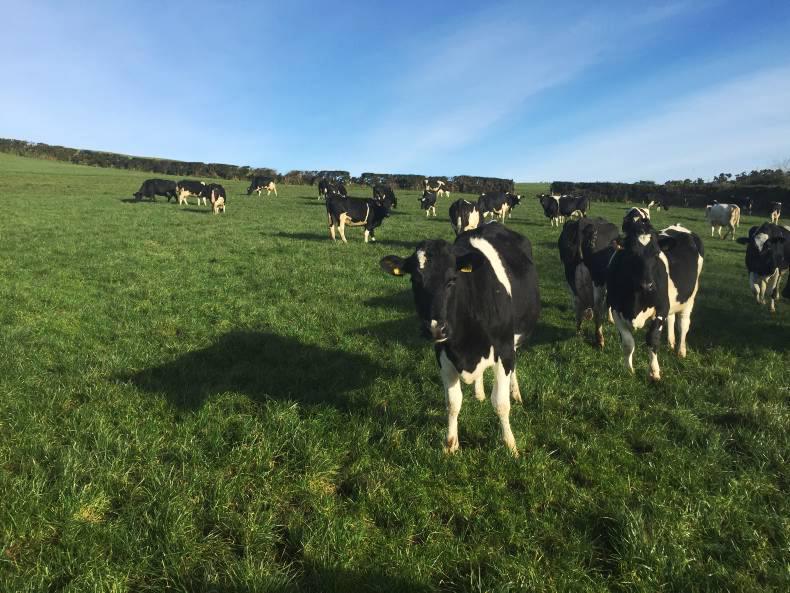
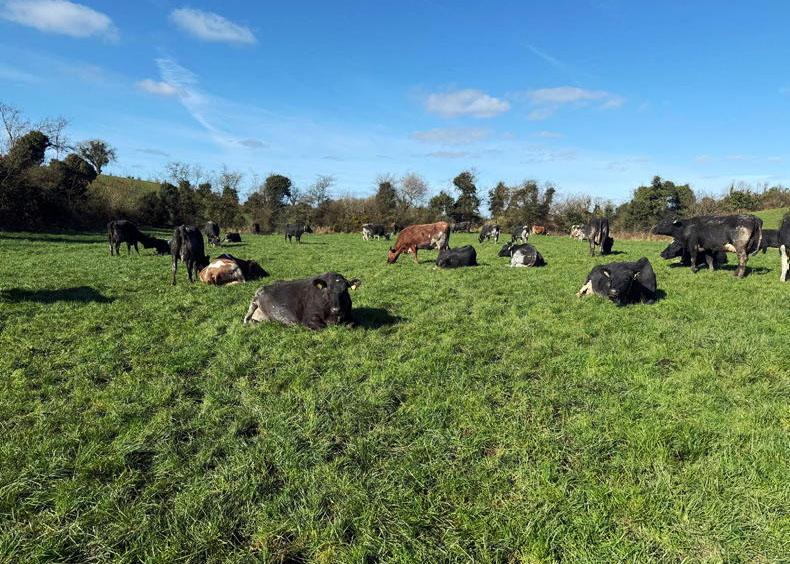
Richard did a grass walk at the start of the month and has a farm cover of 1,065kg/ha. When I visited early last week, he had 28 cows calved and the cows were out grazing on a rare fine day. That was his third day out grazing in a dry paddock near the top of the farm.
The Starrett herd has an EBI of €198, with €67 for milk and €100 for fertility. Last year, the herd achieved a 10% empty rate after 11.5 weeks of breeding. Richard made the decision to carry over the 16 empty cows and milk them right through the winter along with some of the later-calving cows. All the late calvers are now dried off but the empties are still milking so these will help him to get through the area to be grazed this spring.
Like some of the other farmers we met in Donegal, Richard used to use a lot of Jersey straws across his herd, but is now just using high-EBI black and white sires.
“A big issue for us is the bull calf and the surplus heifer. I like the Jersey crossbred cow. I still have a fair share of them in the herd but I found it increasingly difficult to get rid of the bull calves. The other thing is one of our main markets for surplus heifers is in Northern Ireland, where there is no real demand for crossbred stock,” Richard said.
With a stocking rate of three cows/ha, he feels he is more or less at optimum, but will push it higher if he grows more grass. Because he doesn’t need many replacements himself, he decided last year to breed more cows to beef bulls. Any cow less than €200 EBI is bred to a beef bull which produces a higher value and a more saleable calf.
Farmer Focus:
Malcolm Cooper,
Castlefinn, Co Donegal
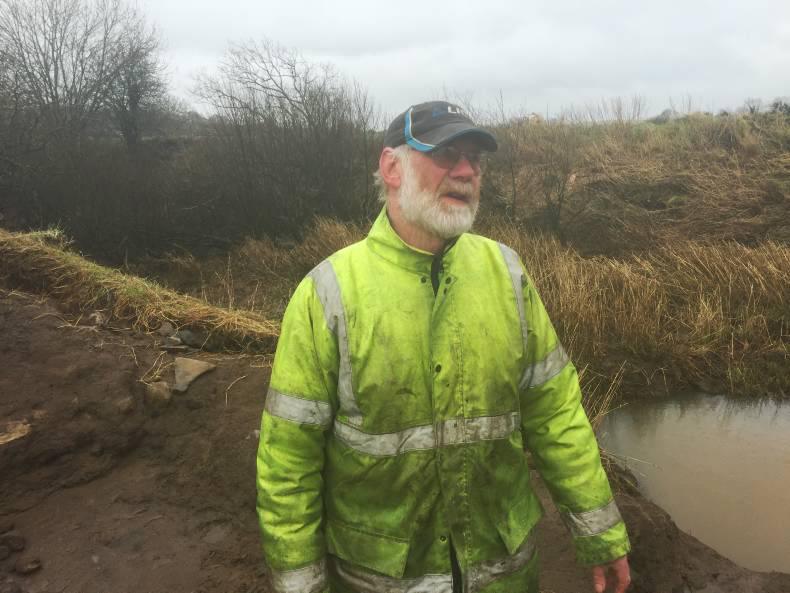
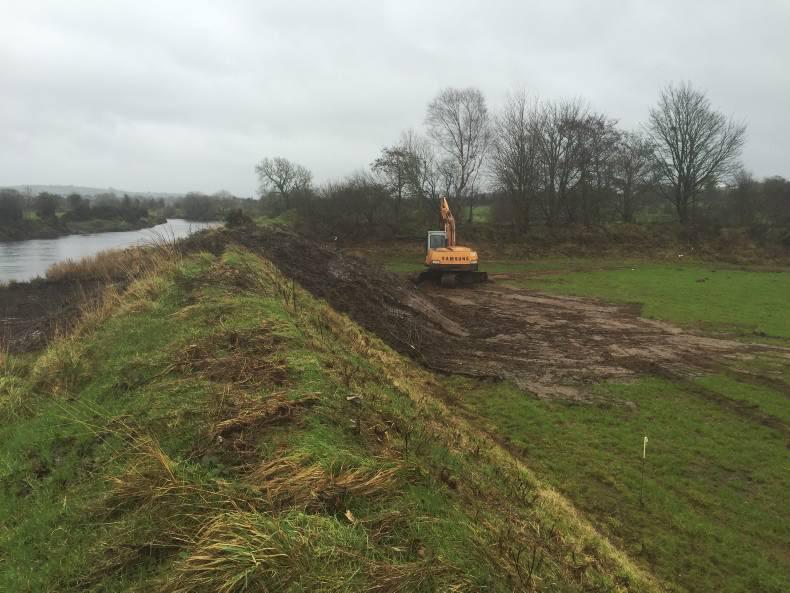
Milking 200 cows along the banks of the Finn, Malcolm Cooper is busy repairing the damage caused by some of the worst flooding in 30 years. At its peak, about 50 acres of Malcolm’s low-lying land by the river was under water, after the levees along the Finn burst.
The levees, big banks of earth along the river bank, normally hold the floodwater back, but the banks gave way in two places this winter. Fortunately for Malcolm and his neighbours, the water doesn’t stay for long, the tidal waters of the Finn offering a relatively quick escape route for the flood.
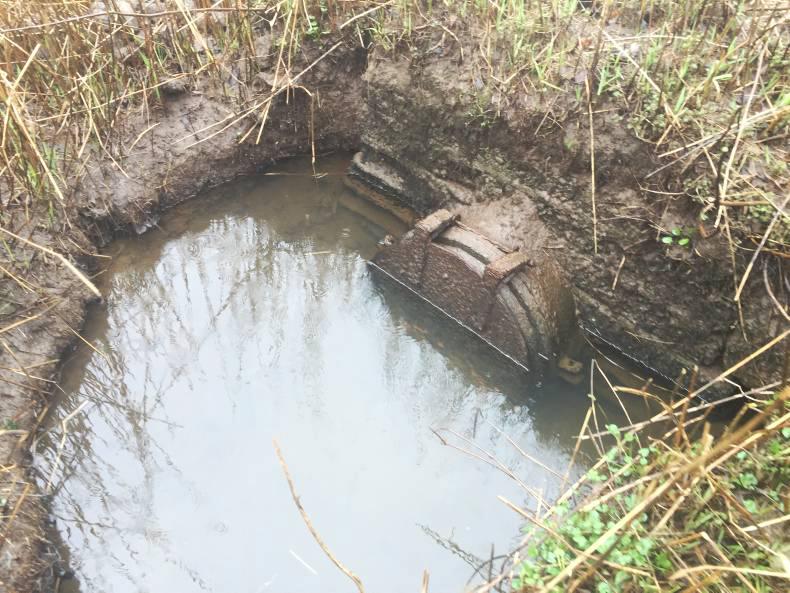
The banks were originally built as a famine relief scheme in the 1840s. When we visited last week, Malcolm had a track machine in rebuilding the banks and cleaning out the drains that had been silted up. The land that flooded along the river, while low-lying, is of really good-quality loam-type soil. Open drains return water through one-way flaps back to the river. While the grass looked yellow and hungry looking since the flood, Malcolm maintains that it will recover fast.
Like others along the Finn Valley, calving was only starting on the Cooper farm last week. Most of the herd is black and white high EBI, but Malcolm also has a few Jersey crossbred cows, but has since switched to just using black and white, genomically selected AI bulls.
“I normally just pick the highest EBI bulls off the Active Bull List but I keep a close eye on the maintenance figure within the EBI. I don’t want anything less than €15 for maintenance as this indicates that the cow will be too big for my system.”
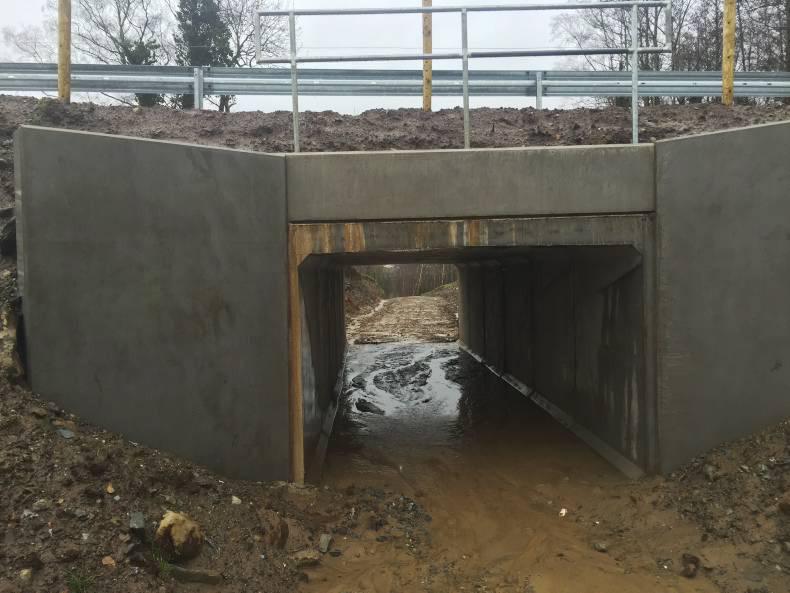
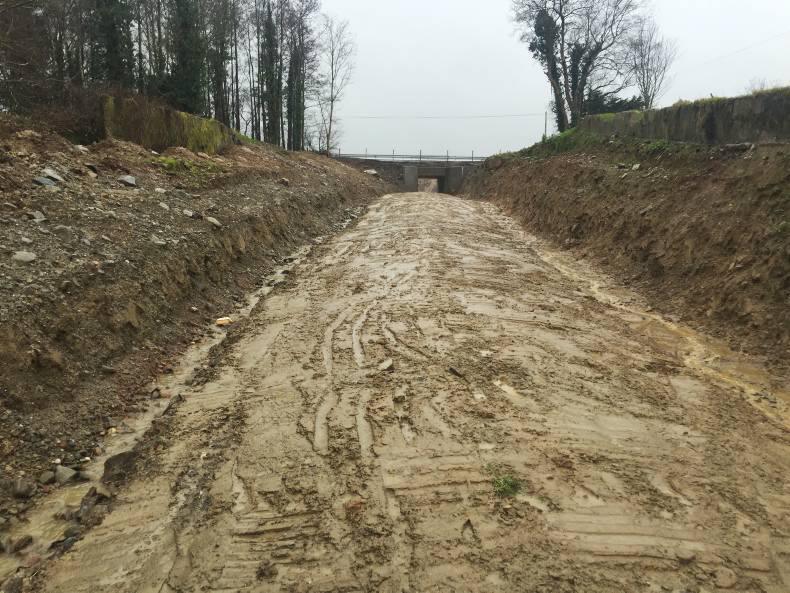
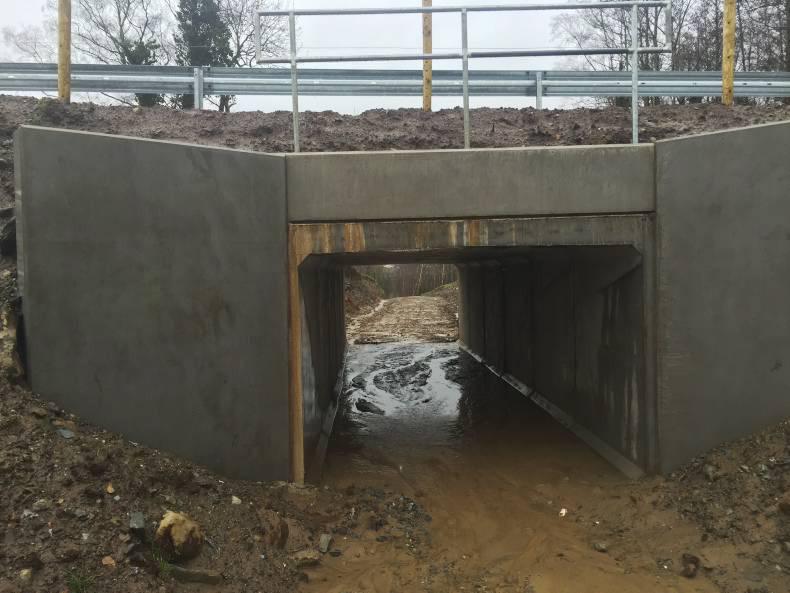
Malcolm was putting the finishing touches to a new underpass when work was halted because of the weather. With about half of the land across a public road, bringing in and out cows for milking was a two-man job and it was taking too much time. When all the costs are considered, the underpass will have cost Malcolm about €70,000. Extra culverts were needed to comply with planning and the road closure licence took longer than planned, which all added to the costs, but it should greatly simplify the running of the farm.
Farmer Focus:
David Roulston,
Saint Johnston,
Co Donegal
With a figure approaching five cows/ha, David Roulston is pushing the boundaries of stocking rates. With most of the silage cut and heifers reared elsewhere, the 100ha milking platform just needs to provide enough grass for the milking herd – not an easy challenge.
David is adamant that higher stocking rates are the best way to utilise grass in Donegal. He says that while the winters are long, he gets a really high growth rate from April right throughout the summer months, and having sufficient mouths to eat that grass is the best policy.
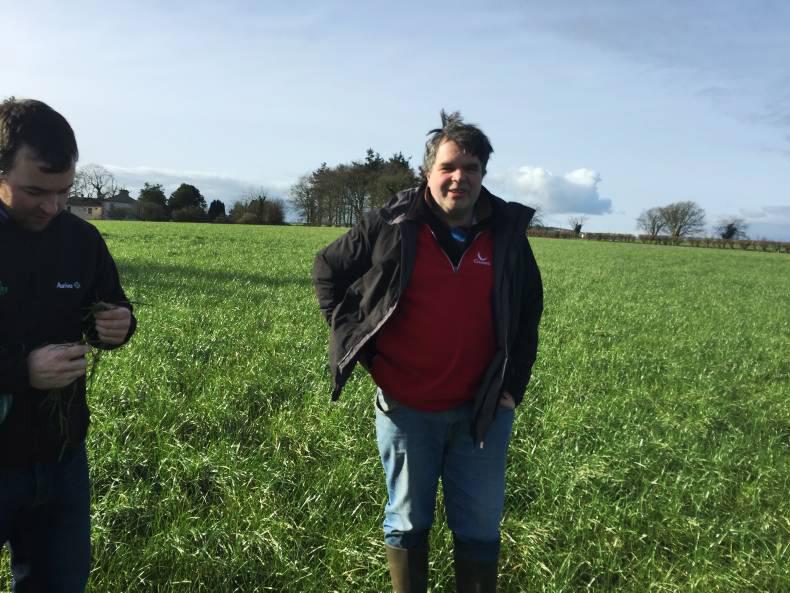
Like the other farmers visited, David has a high opening farm cover of 947kg/ha. His over-winter growth rate was 3.3kg/day. We walked through one paddock of Bealey which has a cover of about 2,300kg and is looking really well, with very little die-back. David had no urea out when we visited, but about 30% of the farm had received slurry through a trailing shoe and umbilical pipe. A flock of about 50 swans were happily grazing through a field of grass next to where the slurry was spread.
David is a firm believer in the EBI. His herd average is €175. When we visited last week, he had 40 heifers calved. He starts breeding the heifers a week before the cows. Bull selection is based on the Active Bull List, but like Malcolm Cooper he keeps a close eye on the maintenance figure. Proven New Zealand Friesian bulls are used on the heifers.
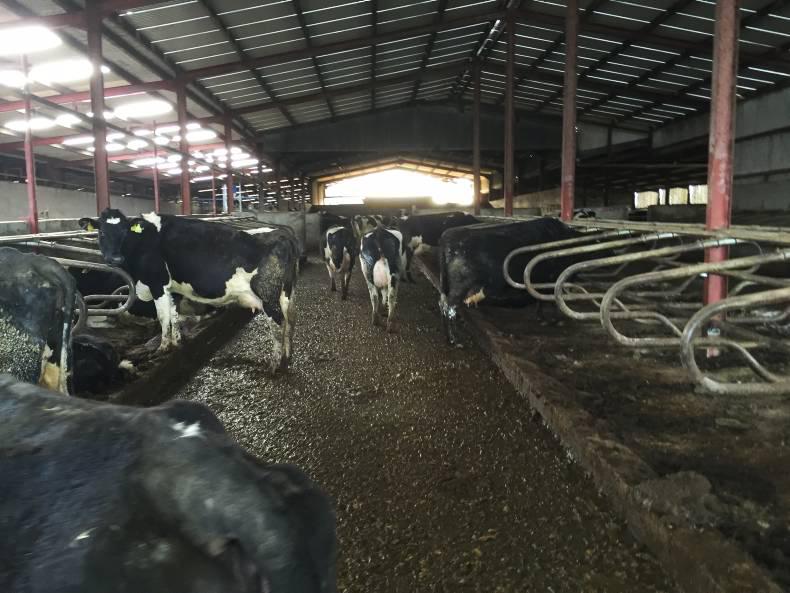
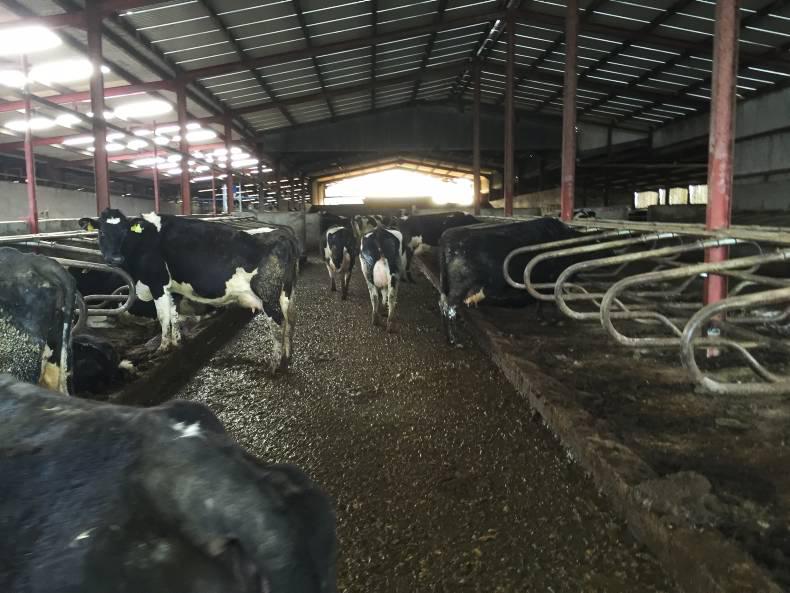
The freshly calved cows were inside on grass and maize silage plus 2kg of meal per day. David was waiting for a few more cows to calve before turning them out to grass.
Vincent Griffith, farm adviser with Aurivo Co-op, is recording grass growth rates and quality in Donegal.
He says that the average over-winter growth rate that he has recorded on farms in Donegal this winter has been 3.3kg/day, with one farm growing 7kg/day.
Excellent quality
Average grass quality on the farms he has walked this spring is excellent, with protein levels of 27.5% and DMD of 82%.
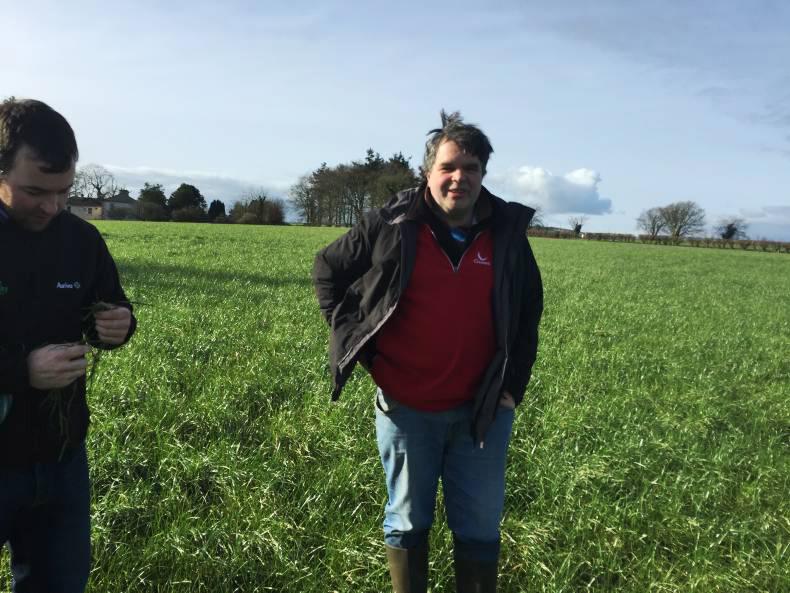
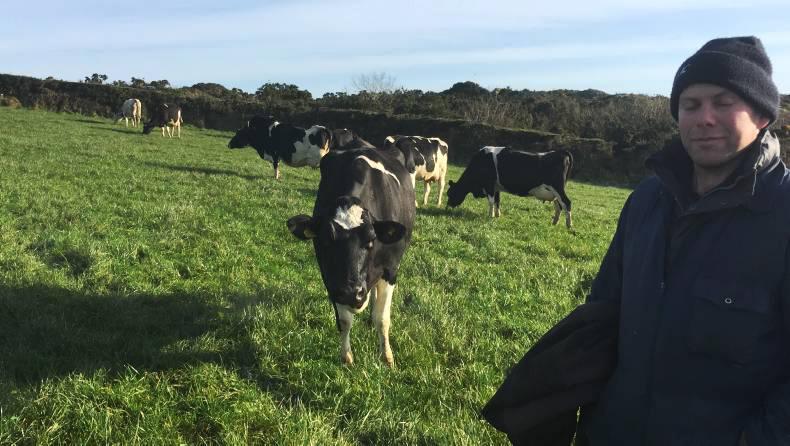
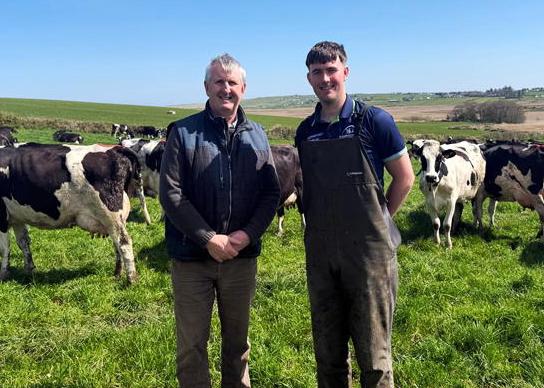
While acknowledging that it has been a very mild winter, Vincent (photo, below, with David) says that the figures prove that grass growth and quality can be every bit as good on the north coast as elsewhere.
Register for free to read this story and our free stories.
This content is available to digital subscribers and loyalty code users only. Sign in to your account, use the code or subscribe to get unlimited access.
The reader loyalty code gives you full access to the site from when you enter it until the following Wednesday at 9pm. Find your unique code on the back page of Irish Country Living every week.
CODE ACCEPTED
You have full access to the site until next Wednesday at 9pm.
CODE NOT VALID
Please try again or contact support.
Farmer Focus:
Richard Starrett,
Lifford, Co Donegal
Richard is milking 160 cows on a 54ha milking platform (2.96 cows/ha) overlooking the River Finn near Lifford. The Starrett farm is south-facing, but steep. The lowest point of farm is at sea level, while the top of the farm is at 600ft above sea level. Despite this, Richard grew 13t/ha of grass last year.
Land is of reasonably good quality, but as Richard says, it takes work. Most of the fields have been drained. He has installed stone drains up to the surface across the slopes of fields to take away excess runoff during heavy rain.
Richard did a grass walk at the start of the month and has a farm cover of 1,065kg/ha. When I visited early last week, he had 28 cows calved and the cows were out grazing on a rare fine day. That was his third day out grazing in a dry paddock near the top of the farm.
The Starrett herd has an EBI of €198, with €67 for milk and €100 for fertility. Last year, the herd achieved a 10% empty rate after 11.5 weeks of breeding. Richard made the decision to carry over the 16 empty cows and milk them right through the winter along with some of the later-calving cows. All the late calvers are now dried off but the empties are still milking so these will help him to get through the area to be grazed this spring.
Like some of the other farmers we met in Donegal, Richard used to use a lot of Jersey straws across his herd, but is now just using high-EBI black and white sires.
“A big issue for us is the bull calf and the surplus heifer. I like the Jersey crossbred cow. I still have a fair share of them in the herd but I found it increasingly difficult to get rid of the bull calves. The other thing is one of our main markets for surplus heifers is in Northern Ireland, where there is no real demand for crossbred stock,” Richard said.
With a stocking rate of three cows/ha, he feels he is more or less at optimum, but will push it higher if he grows more grass. Because he doesn’t need many replacements himself, he decided last year to breed more cows to beef bulls. Any cow less than €200 EBI is bred to a beef bull which produces a higher value and a more saleable calf.
Farmer Focus:
Malcolm Cooper,
Castlefinn, Co Donegal
Milking 200 cows along the banks of the Finn, Malcolm Cooper is busy repairing the damage caused by some of the worst flooding in 30 years. At its peak, about 50 acres of Malcolm’s low-lying land by the river was under water, after the levees along the Finn burst.
The levees, big banks of earth along the river bank, normally hold the floodwater back, but the banks gave way in two places this winter. Fortunately for Malcolm and his neighbours, the water doesn’t stay for long, the tidal waters of the Finn offering a relatively quick escape route for the flood.
The banks were originally built as a famine relief scheme in the 1840s. When we visited last week, Malcolm had a track machine in rebuilding the banks and cleaning out the drains that had been silted up. The land that flooded along the river, while low-lying, is of really good-quality loam-type soil. Open drains return water through one-way flaps back to the river. While the grass looked yellow and hungry looking since the flood, Malcolm maintains that it will recover fast.
Like others along the Finn Valley, calving was only starting on the Cooper farm last week. Most of the herd is black and white high EBI, but Malcolm also has a few Jersey crossbred cows, but has since switched to just using black and white, genomically selected AI bulls.
“I normally just pick the highest EBI bulls off the Active Bull List but I keep a close eye on the maintenance figure within the EBI. I don’t want anything less than €15 for maintenance as this indicates that the cow will be too big for my system.”
Malcolm was putting the finishing touches to a new underpass when work was halted because of the weather. With about half of the land across a public road, bringing in and out cows for milking was a two-man job and it was taking too much time. When all the costs are considered, the underpass will have cost Malcolm about €70,000. Extra culverts were needed to comply with planning and the road closure licence took longer than planned, which all added to the costs, but it should greatly simplify the running of the farm.
Farmer Focus:
David Roulston,
Saint Johnston,
Co Donegal
With a figure approaching five cows/ha, David Roulston is pushing the boundaries of stocking rates. With most of the silage cut and heifers reared elsewhere, the 100ha milking platform just needs to provide enough grass for the milking herd – not an easy challenge.
David is adamant that higher stocking rates are the best way to utilise grass in Donegal. He says that while the winters are long, he gets a really high growth rate from April right throughout the summer months, and having sufficient mouths to eat that grass is the best policy.
Like the other farmers visited, David has a high opening farm cover of 947kg/ha. His over-winter growth rate was 3.3kg/day. We walked through one paddock of Bealey which has a cover of about 2,300kg and is looking really well, with very little die-back. David had no urea out when we visited, but about 30% of the farm had received slurry through a trailing shoe and umbilical pipe. A flock of about 50 swans were happily grazing through a field of grass next to where the slurry was spread.
David is a firm believer in the EBI. His herd average is €175. When we visited last week, he had 40 heifers calved. He starts breeding the heifers a week before the cows. Bull selection is based on the Active Bull List, but like Malcolm Cooper he keeps a close eye on the maintenance figure. Proven New Zealand Friesian bulls are used on the heifers.
The freshly calved cows were inside on grass and maize silage plus 2kg of meal per day. David was waiting for a few more cows to calve before turning them out to grass.
Vincent Griffith, farm adviser with Aurivo Co-op, is recording grass growth rates and quality in Donegal.
He says that the average over-winter growth rate that he has recorded on farms in Donegal this winter has been 3.3kg/day, with one farm growing 7kg/day.
Excellent quality
Average grass quality on the farms he has walked this spring is excellent, with protein levels of 27.5% and DMD of 82%.
While acknowledging that it has been a very mild winter, Vincent (photo, below, with David) says that the figures prove that grass growth and quality can be every bit as good on the north coast as elsewhere.
If you would like to speak to a member of our team, please call us on 01-4199525.
Link sent to your email address
We have sent an email to your address. Please click on the link in this email to reset your password. If you can't find it in your inbox, please check your spam folder. If you can't find the email, please call us on 01-4199525.
ENTER YOUR LOYALTY CODE:
The reader loyalty code gives you full access to the site from when you enter it until the following Wednesday at 9pm. Find your unique code on the back page of Irish Country Living every week.






SHARING OPTIONS