



Causeway, Co Kerry
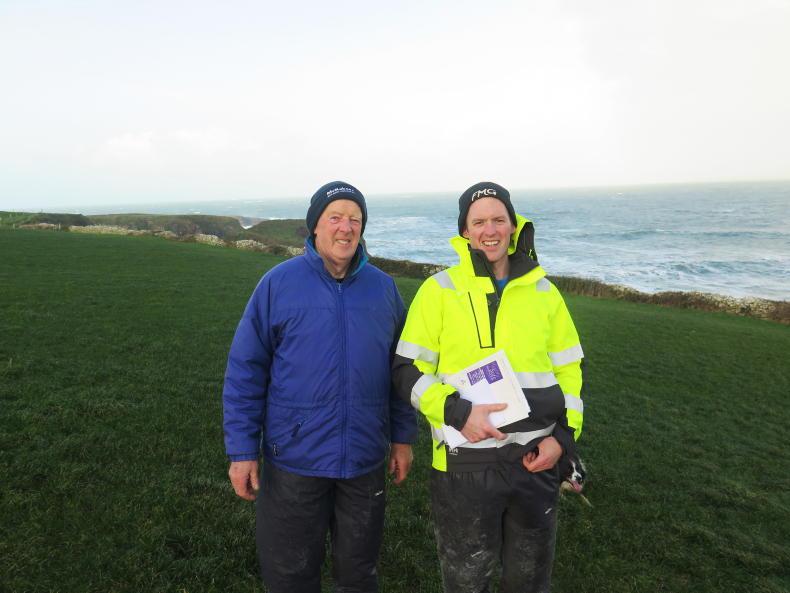
Perched on the edge of the Atlantic Ocean, the Casey farm at Causeway in north Kerry is as exposed to the elements as you will get, which makes John Casey’s entry to the Grassland Farmer of the Year competition all the more impressive.
Milking 120 cows with his father, Michael, the Casey farm grew 12t DM/ha in 2022 from 199kg N/ha across the milking platform which consists of 44.5ha.
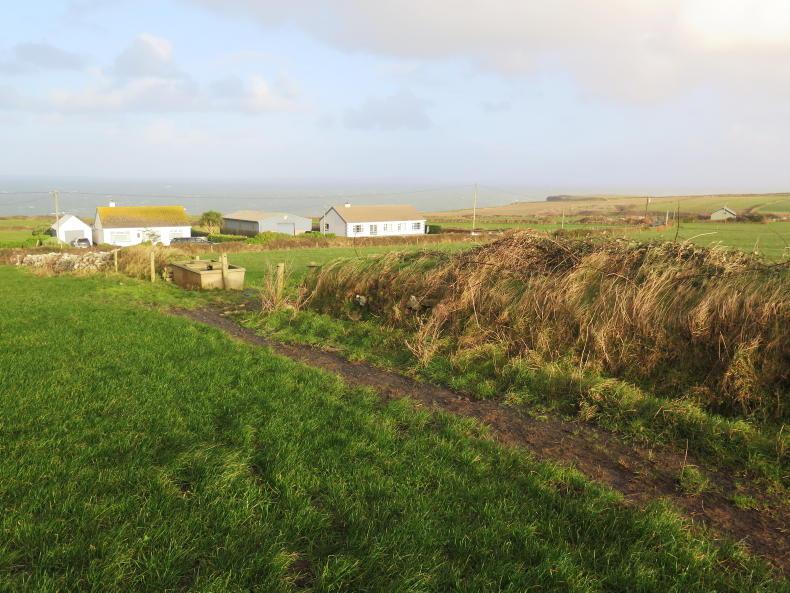
The milking platform is in two blocks connected by a roadway which they purchased through their neighbour’s land, thereby allowing them access to the other block of ground. Prior to getting the roadway installed two years ago, they couldn’t access this land with milking cows.
John says that about 70% of the farm is relatively dry and free-draining, while the other 30% is wetter and needs to be minded.
The way it is, we could be out grazing by 1 February for a few weeks and then we could be inside in the shed for the next two weeks if the weather turns wet, so we take it as it comes
They have invested in great grazing infrastructure, with permanent spur roads installed and multiple access points giving them great options during tricky periods to keep cows out grazing.
“The way it is, we could be out grazing by 1 February for a few weeks and then we could be inside in the shed for the next two weeks if the weather turns wet, so we take it as it comes. We tend not to carry too high a grass cover on the farm over the winter as we could have loads of grass in January but then one storm comes and it could melt away,” John says.
John’s long-term goal is to grow 15t DM/ha of grass but with less chemical nitrogen being used.
Reseeding
He says reseeding more of the farm with better-performing varieties and getting clover established on more of the farm are the ways for him to achieve that. They have also got a dribble bar for spreading slurry which helps to make the nitrogen in slurry more available for plant growth.
As it is, there is 35% of the milking platform with some clover present but between 20% and 30% of the farm is currently under a low-nitrogen regime. This involves John spreading just 10 units/acre of nitrogen in one round, spreading dairy washings the next round and then a half bag/acre of 0:7:30 on the subsequent rotation.
Most of the slurry goes to silage ground in spring, with bag nitrogen used mainly on the grazing block.
John is aiming to have 60 units/acre of nitrogen applied by 1 April. The herd delivered 526kg of milk solids per cow in 2022 from 1t of meal fed per cow. John says the target for meal is to feed 850kg per cow.
Roscommon, Co Roscommon
Michael Cunniffe won’t mind me saying that he’s a bit of an unconventional beef farmer. A landscape architect by profession, he has been honing his farming system since he took over the family farm 12 years ago and has settled as a specialist in-calf suckler heifer rearer.
Michael buys in 160 suckler-bred heifers weighing between 360kg and 410kg liveweight.
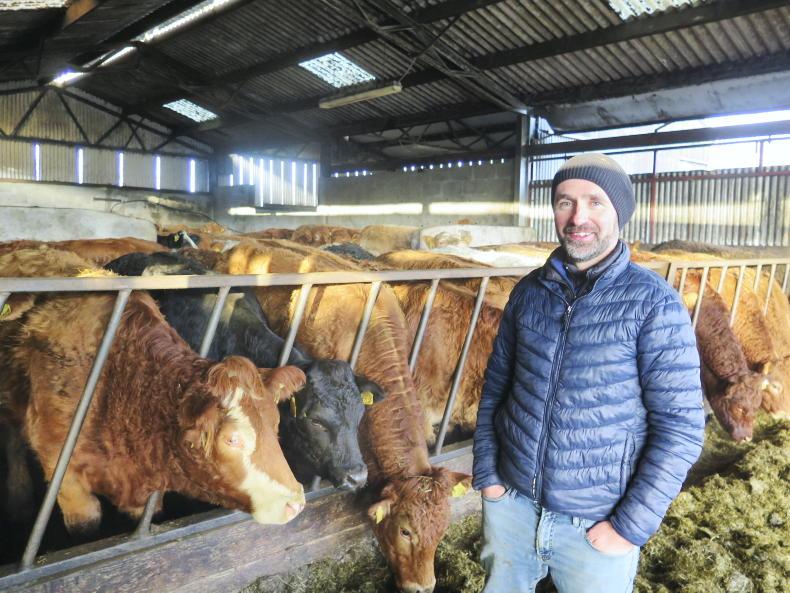
Over the following 12 months or so, these heifers are put in-calf to a Limousin bull and are sold out of the yard between October and March each year at between two-and-a-half and three years of age.
Good grassland management is a key part of the system as Michael needs to have good grass in front of the heifers at all times to drive on growth and the same applies for silage.
Last year, just 1t of meal was purchased across the entire farm and fed to some lighter heifers that needed to be brought up to target weight.
The silage quality this winter is good, with 70% DMD and 16% protein content.
Michael is farming a total of 50ha and stocking rate varies from time to time with a peak demand for grass in October and November when the in-calf heifers are being sold and new heifers are being purchased in.
Michael says he prefers to sell the heifers when out on grass and they are grouped according to weight, breed and calving date.
Grass is measured with a plate meter once a week by Michael and this determines the grazing plan.
Michael began measuring grass in 2008, starting off on an Excel sheet before migrating to PastureBase.
Last year, the farm grew 11t DM/ha and Michael spread a total of 180kg N/ha across the farm.
I look at the wedge and want to have about 10 days of grass ahead of the heifers
During the summer months Michael wants to be going in to graze covers of 1,500kg to 1,600kg/ha and will skip over any paddocks that are gone too strong for bale silage.
Last year, he made over 100 round bales.
“I look at the wedge and want to have about 10 days of grass ahead of the heifers. Before making a decision on taking out a surplus paddock I’ll look at the growth rate and compare it to the demand, I’ll look at the wedge and I’ll look at the predicted wedge,” Michael says.
Grazing infrastructure is good, with the farm split into paddocks, serviced by roadways and water troughs making it easy to manage multiple groups of stock.
Longwood, Co Meath
Post and rail wooden fencing and good grassland management don’t usually go hand in hand but that’s not the case on the McGuigan farm in Meath.
Picturesque and all as it is with mature trees, beech hedging and the timber fencing more commonly seen on stud farms, this is a serious beef farm with a serious focus on grass.
Michael McGuigan purchased the former stud farm in 2016 and since then has been pretty much living his dream – breeding commercial continental sucklers.
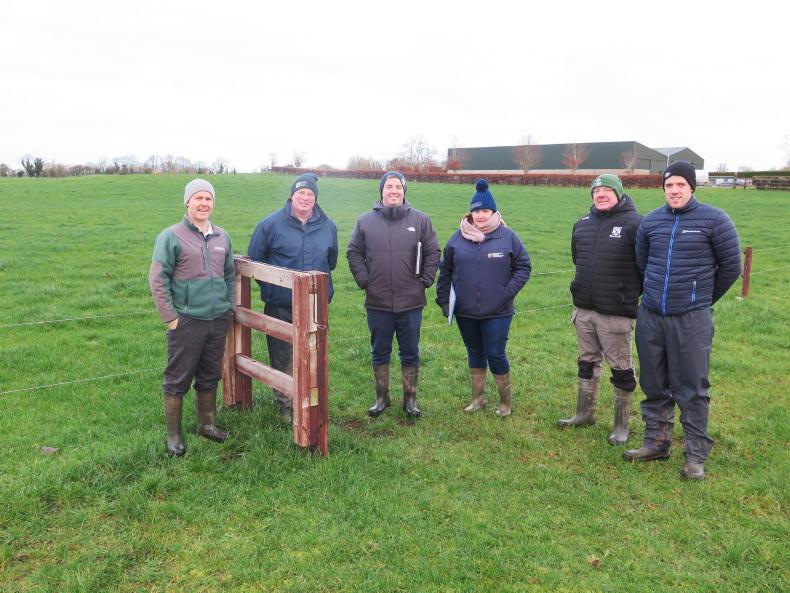
He has 30 autumn-calving cows and sells the bull calves as strong weanlings in September, while he keeps the heifers either for finishing or as replacements. This year, he is thinking of putting them all in-calf and selling some as in-calf heifers rather than as finished beef.
Last year, the farm grew 11.4t DM/ha and Michael applied 116kg N/ha of chemical nitrogen across the farm.
The land is dry and free-draining and Michael says on a typical year he would be out grazing by the middle to end of February by day and would be out day and night by the middle of March. The cows were housed last year on 1 November with an average farm cover of 658kg/ha.
One of the more interesting innovations the judges encountered on the farm was Michael’s creep gates.
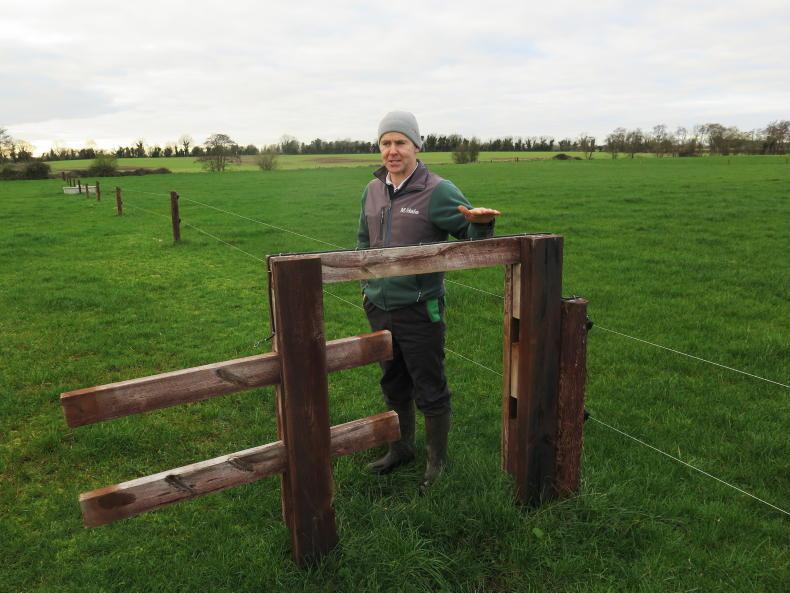
These are timber post and rail fences about 1m wide and the bottom and middle rail can be slid out so that the suckler calves can walk through the passage but the top rail prevents the cows from going through.
Indeed, Michael forward grazes the calves from a very young age. Even when the cows are in the shed over the winter the calves have access to leave the straw-bedded creep area and go out to field to get a fresh bite of grass.
He says this reduces labour, saves on straw bedding and helps to improve performance. He says that last year’s bulls weighed an average of 469kg at 10.5 months of age.
Michael measures grass weekly and his big project for this year is to get more clover established on the farm.
He plans to oversow two paddocks with 2kg/acre of clover seed and then spread 1,000 gallons/acre over it and graze it at covers of 800kg DM/ha for the next four or five rounds.



SHARING OPTIONS