



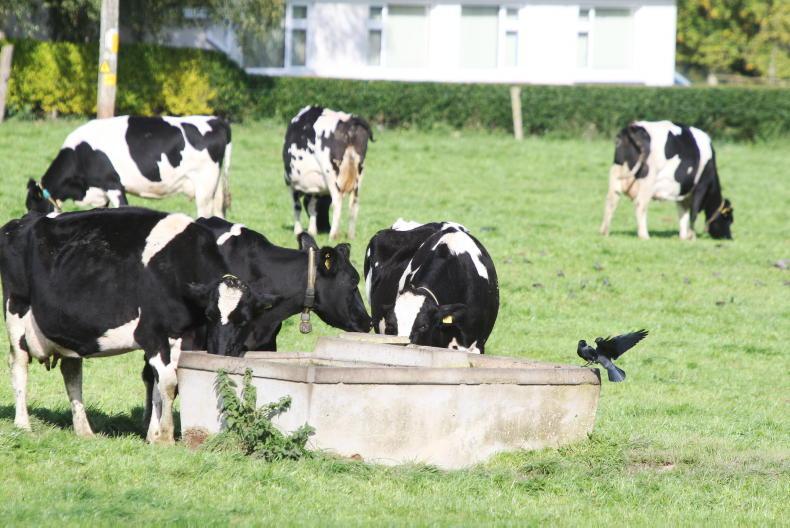
The last couple of days have been very warm. Temperatures have consistently been in the mid to high-20’s throughout the day.
This is hard on cattle and several farmers have mentioned the pressure some of the cows and calves seem to be under.
Temperatures are expected to fall back by Friday but over the next couple of days it’s important to be wary of the dangers of heat stress on animals and take action to prevent it where possible.
Once temperatures hit the mid-20’s and humidity levels are high, animals will start to feel the effect of heat stress. Their bodies have to work harder to cool down and energy is diverted to this process.
The main sign of heat stress is animals panting hard.
Milk yield can also take a small hit and the animals rumination rate may reduce as this process also generates heat.
Providing a clean water source is important to reduce the pressure animals are under. Shade is also a way of mitigating against heat stress and cattle will naturally gather under it if it’s available.
Milking
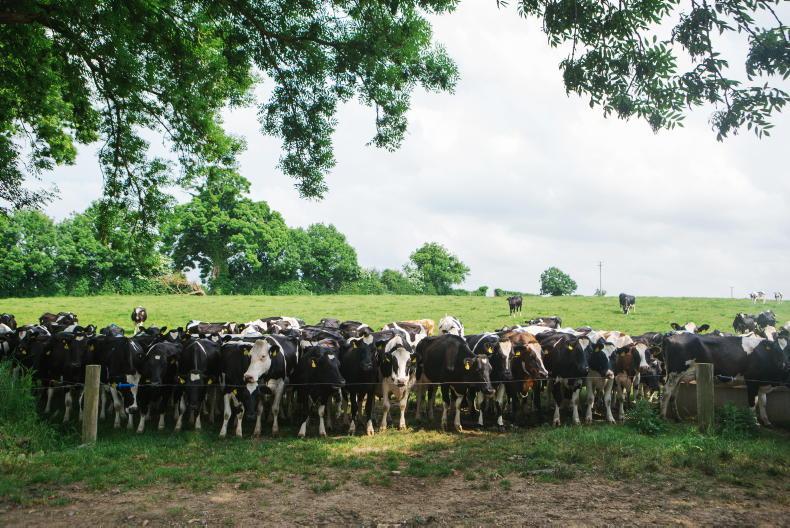
Milking time can cause a peak in stress as cows have to walk long distances in some cases, before gathering in a big bunch in the collecting yard. Both of these cause the cow’s systems to heat up.
Allow cows to walk slowly to the yard and if possible, and pushing milking time back to the evening when it’s cooler could be of benefit.
I’ve seen farmers use a light sprinkler that runs over the top of the collecting yard to gently spray small amounts of water over cows to keep them cool. It might be something to consider for later in the summer should similar conditions arise.
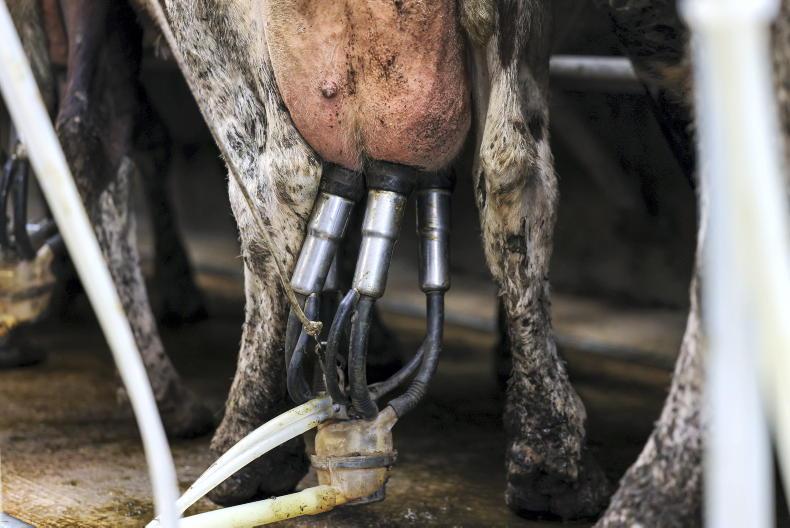
Milk fat
Many farmers will have noticed a drop in milk fat percentages over the last couple of weeks.
According to Teagasc’s Joe Patton, who was speaking at DairyCon last week – an event for vets in dairy practice – dropping milk fat is not something to be worried about.
Milk fat will naturally fall at this time of year he says. It hits a low point around the middle of May and this lull is sustained until the end of June before it starts to lift again.
The drop causes worry for some as they fear acidosis is affecting the fat percentage as a result of grazing lush, leafy grass that is high in sugar and highly digestible.
Teagasc research shows this is not the case and it’s believed the fat drop is actually linked to the cow’s biology.
Extended day length causes a natural system response from the cow to reduce her milk fat percentage and as day length begins to shorten again, fat percentage rises.




SHARING OPTIONS