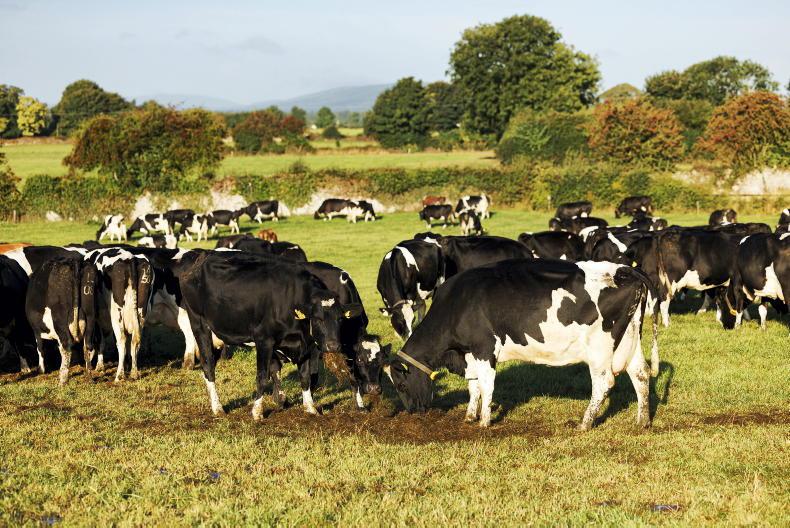
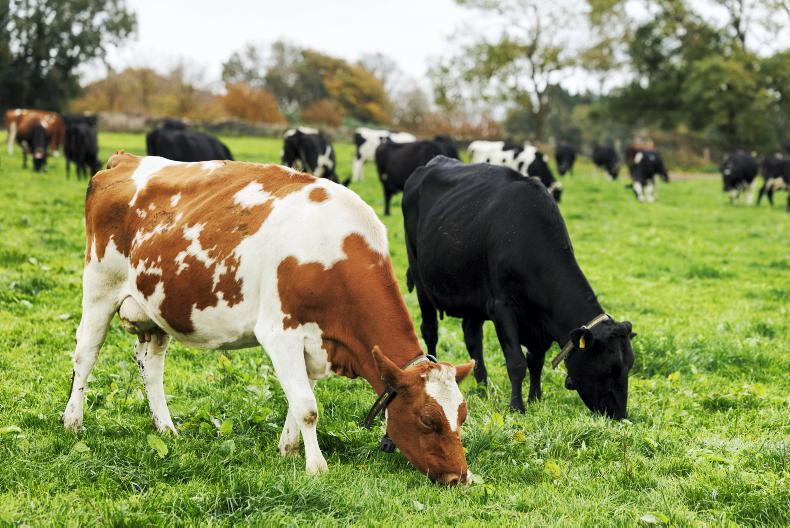
Feeding: It’s seldom that we advise it, but now is the time to keep feed in the diet and hold the nerve until grass covers come back on track. Just because most farms in the east and south have greened up and growth rates have improved, doesn’t mean all is well in the world of grass. Most farms are still severely deficient for grass, and average farm cover remains around 30% to 40% lower than target on most farms based off PastureBase figures.
If this isn’t rectified, it means grass will run out by mid-October and there won’t be enough grass available for early turn-out next spring. I know many farmers in the southeast are fed-up of feeding silage or palm kernel, but keeping it in until average farm cover goes to 1,100-1,200kg and pre-grazing yield gets to 2,000kg or thereabouts is still the right thing to do. There is a type of yellow rust present in a lot of swards, and this seems to be affecting grass growth rates. Best policy is to try and get these swards grazed off quickly so that they will return to active growth. The same applies to other paddocks that have stalled growth rates – get them grazed and back growing.
Fertiliser: This is the last weekend for spreading fertiliser as the closed season starts on 15 September. Of course, farmers can continue to buy fertiliser and keep it in storage for next season. Communication from government and State agencies around the new Carbon Border Adjustment Mechanism (CBAM) tariff on fertiliser has been non-existent, but it is set to come into place next January. Industry sources say it will add anything from €40 to €80 on to the cost per tonne of urea.
Some farmers are using free cash to buy fertiliser for next season now in advance of CBAM. One thing to be aware of is that ordinary granular urea without inhibitor is to be banned from farms from next week. Therefore, if urea is to be purchased now it should be protected urea, and this raises the issue of shelf life. There are variances in shelf life depending on the type of inhibitor and the type of fertiliser.
Generally, the inhibitor on straight urea with no other compounds will have the longest shelf life of up to 18 months when stored in good conditions. Urea containing other products such as potash and sulphur will have reduced shelf life, potentially down to six months from the date of application of the inhibitor which is the date of bagging. Most of the manufacturers print this date on the outside of the cover.
Slurry: The deadline for spreading slurry is fast approaching on 1 October for farmers in the 26 counties, while it is 15 October for farmers in Northern Ireland. Heavy rain in the west over the last few weeks has forced some herds indoors and ground conditions are challenging.
There is still plenty of time before the deadline to get any remaining slurry applied, but it means being organised when the opportunity comes. Soiled water and dairy washings can continue to be spread up to 1 December this year with no application permitted for the full month of December. This rule now also applies to herds in liquid milk or winter milk.
Feeding: It’s seldom that we advise it, but now is the time to keep feed in the diet and hold the nerve until grass covers come back on track. Just because most farms in the east and south have greened up and growth rates have improved, doesn’t mean all is well in the world of grass. Most farms are still severely deficient for grass, and average farm cover remains around 30% to 40% lower than target on most farms based off PastureBase figures.
If this isn’t rectified, it means grass will run out by mid-October and there won’t be enough grass available for early turn-out next spring. I know many farmers in the southeast are fed-up of feeding silage or palm kernel, but keeping it in until average farm cover goes to 1,100-1,200kg and pre-grazing yield gets to 2,000kg or thereabouts is still the right thing to do. There is a type of yellow rust present in a lot of swards, and this seems to be affecting grass growth rates. Best policy is to try and get these swards grazed off quickly so that they will return to active growth. The same applies to other paddocks that have stalled growth rates – get them grazed and back growing.
Fertiliser: This is the last weekend for spreading fertiliser as the closed season starts on 15 September. Of course, farmers can continue to buy fertiliser and keep it in storage for next season. Communication from government and State agencies around the new Carbon Border Adjustment Mechanism (CBAM) tariff on fertiliser has been non-existent, but it is set to come into place next January. Industry sources say it will add anything from €40 to €80 on to the cost per tonne of urea.
Some farmers are using free cash to buy fertiliser for next season now in advance of CBAM. One thing to be aware of is that ordinary granular urea without inhibitor is to be banned from farms from next week. Therefore, if urea is to be purchased now it should be protected urea, and this raises the issue of shelf life. There are variances in shelf life depending on the type of inhibitor and the type of fertiliser.
Generally, the inhibitor on straight urea with no other compounds will have the longest shelf life of up to 18 months when stored in good conditions. Urea containing other products such as potash and sulphur will have reduced shelf life, potentially down to six months from the date of application of the inhibitor which is the date of bagging. Most of the manufacturers print this date on the outside of the cover.
Slurry: The deadline for spreading slurry is fast approaching on 1 October for farmers in the 26 counties, while it is 15 October for farmers in Northern Ireland. Heavy rain in the west over the last few weeks has forced some herds indoors and ground conditions are challenging.
There is still plenty of time before the deadline to get any remaining slurry applied, but it means being organised when the opportunity comes. Soiled water and dairy washings can continue to be spread up to 1 December this year with no application permitted for the full month of December. This rule now also applies to herds in liquid milk or winter milk.





SHARING OPTIONS