


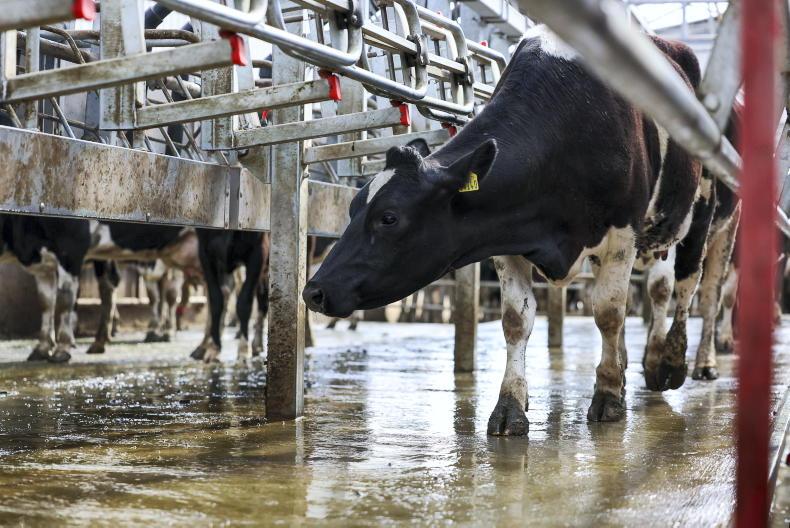
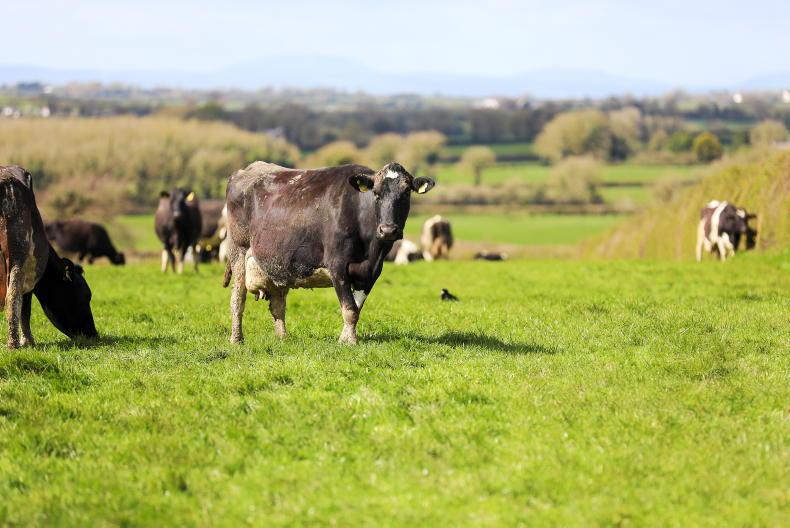
Milk yield: Almost every farmer I met this week has said that milk yield per cow has dropped over the past week. The drop in temperatures and return to rain is an obvious factor, so too is the time of year and stage in lactation.
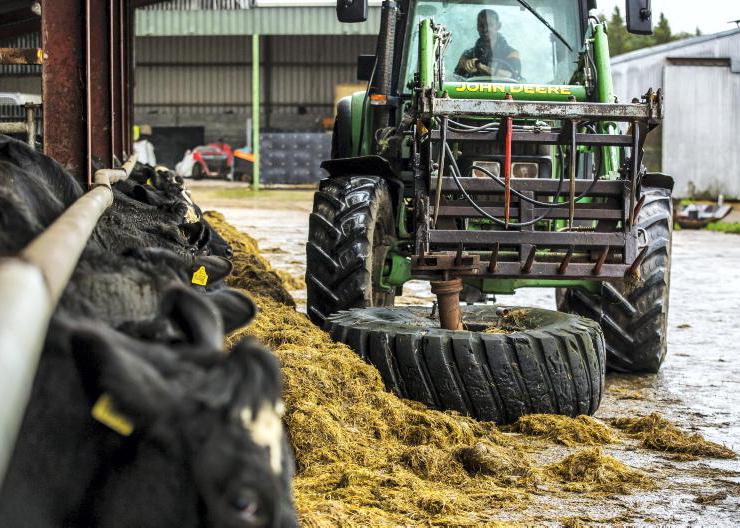
This is despite the fact that many farmers are feeding their cows very well in terms of meal, because they are well behind target for grass. Where silage is being fed, the impact on milk yield will be even greater. For those that are short of grass it’s a case of riding this period out and keep feeding until growth rates recover.
While some areas are still looking for rain, there is surely enough moisture now for a recovery in grass growth in most places. This is the best time to put in feed and slow cows down as much as possible to allow the difference between what the cows are eating (demand) and growth rates to be as big as possible. For those going into covers of 1,000kg DM/ha or so, it’s likely that they’ll have to keep feeding hard for another two weeks or so. The other thing to note is that grass tends to get sour when the rain comes after a dry spell and cows can be very unhappy cleaning it out. It too will pass.
Fertiliser: The last date to spread nitrogen and phosphorus fertiliser is fast approaching on 15 September. The value of extra nitrogen at this time of year is low and the risk of nitrogen losses in the autumn is high. So keep this in mind when deciding on how much to spread. The risk of losses is particularly high in parts of the country that burned up this summer. This is because there is usually a big release of labile or organic nitrogen after a dry spell ends. This nitrogen becomes mineralised and available for plant uptake, or for leaching. Remember, if growth has been slow for the last few months then very little nitrogen has been taken up by the plant, or lost by leaching. Adding extra chemical nitrogen to these soils, is a bit like adding petrol to a fire.
In most cases, growth rates are still low in these dry areas and the temptation is to do as much as humanly possible to improve growth rates, but farmers must remember that a lack of nitrogen is not the cause. Mistakes were made during and after the drought in 2018, with too much nitrogen being spread and the impacts are still being seen in terms of higher nitrate levels in rivers and more regulations. On these dry farms, spreading 20 units/acre of nitrogen is probably enough, whereas on others farms up to 30 units/acre can be justified where growth rates have been good all summer and the risk of losses is low. The Department are going ahead with the ban on spreading granular unprotected urea in 2026.
Water temperature: At last week’s walk on the Kennedy farm, who won the NDC/Kerrygold quality milk awards for 2024 (see pages 30, 31), Willie Ryan from Dairygold said that the hot wash temperature should start at 75°C. After four minutes of circulation it should still be at 65°C to 70°C. At the end of the wash the temperature should be at least 55°C.



SHARING OPTIONS