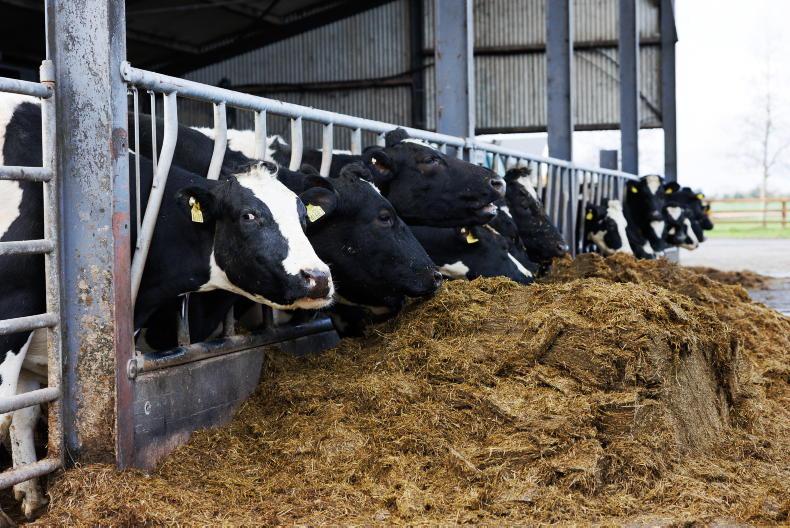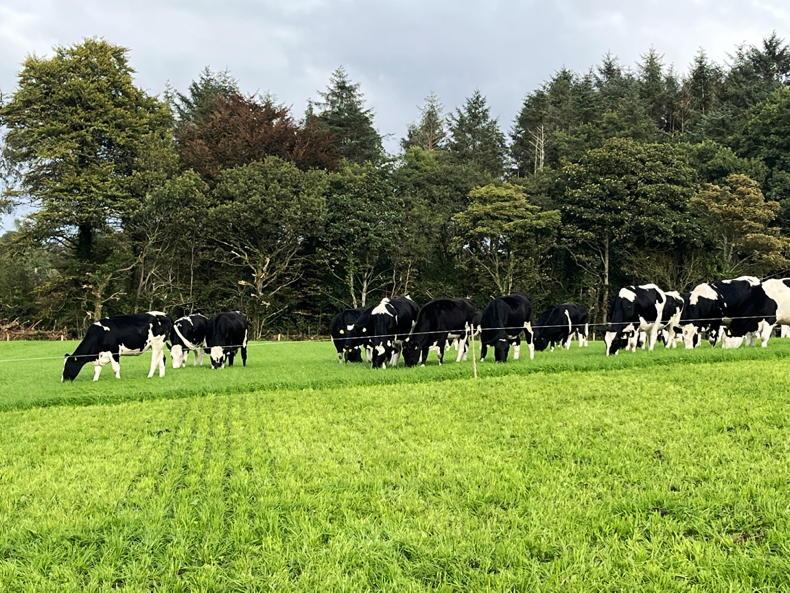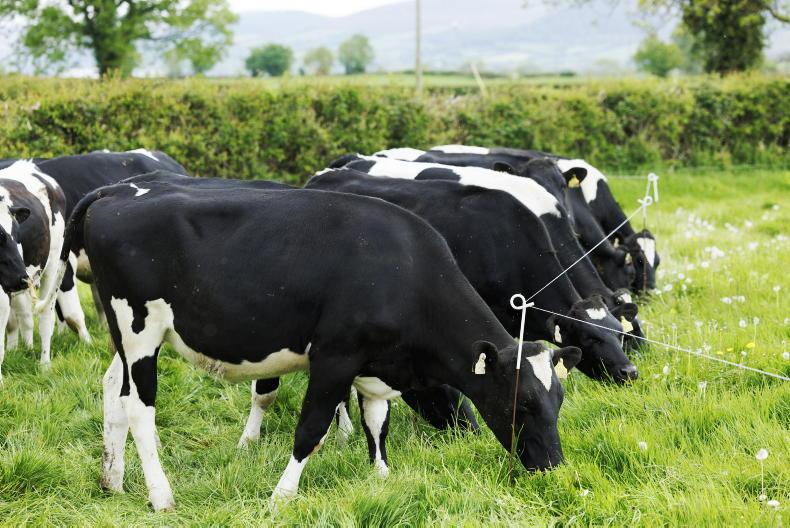
Youngstock: Many farmers are housing youngstock this week to stretch grass supplies for the milking cows. Heifers tend to do more walking around and damage than calves in wet weather.
If grass is scarce and you have to choose, housing youngstock now and getting the lighter groups of weanlings back out early next spring is my preference.
Early grass is better than any winter diet to increase liveweight gain. If not already done, now is an ideal time to weigh all youngstock and identify animals that are behind target.
Housing batches of youngstock for preferential management during the indoor period can be easier and cheaper to achieve target weights over the next few months.
Weight gain over the winter on silage varies from 0.4 to 0.6kg/day. Weanlings should be at 40% of their mature liveweight now, or 220kg if the mature liveweight is 550kg.
For those at or close to target liveweight, good quality silage will usually be sufficient to get to target liveweight at breeding. In addition to good quality silage, lighter calves will need 100kg of a 16% crude protein meal over the next 90 days to bring them back to the average of the group.
Weight gains of up to 0.8kg/day are possible with an early turnout for this group next spring.
In-calf heifers should be approaching 75-80% of mature weight now, or approximately 430kg if the mature liveweight is 550kg. Smaller in-calf heifers can be given 1-2kg of meal (12-14%CP) for the next month or so. I would caution farmers about trying to put a lot of weight on in-calf heifers now. Some heifers will put on condition rather than grow so monitor them closely.
Heifers laying down fatty tissue as they approach calving can cause more problems in terms of calving difficulty and BCS loss in spring. The goal is steady, moderate growth and a target BCS of around 3.25 to 3.5 at calving.
Culling cows: Deciding which cows should be retained and which should be culled can be a difficult decision, but tight winter feed supplies this autumn mean now is a good time to be decisive.
A consistently low culling rate (less than 15%) usually results in problem cows and poor performers building up in herds over time.
Generally, I find that if herd average lactation number of milking cows exceeds 4.0, there will be a higher empty or cull rate in the next season or more animal health issues resulting in reduced farm profitability. As a general guide, replacement rates should be kept at 20% and average milking herd lactation number between 3.7 and 4.0.
The COW index on Herdplus makes culling decisions easier by combining production, fertility, health, genetics and future profit potential in one clear ranking to make more informed culling decisions. I'd encourage farmers to look at the COW values to identify likely candidates and then examine the individual components such as SCC, recorded health issues (mastitis/lameness cases), age and calving date to decide who should be culled. For herds that have not been doing any selective culling, a focus on this for two or three years can substantially improve overall herd performance.