



News of a yellow rain warning for counties in the south east on Thursday and Friday is not before time. Over 20mm is expected and aside from Electric Picnic goers, everyone in the counties of Laois, Carlow, Kilkenny and Wexford will be feeling the relief.
In terms of what it means for dairy farmers, well not a lot for now!
As welcome as the rain is, realistically, there will be no let-up in feeding for at least another two weeks on those farms that have been badly affected by drought.
Grass covers need a chance to build and that means ramping up supplement feeding and minimising grass allocations for another spell.
With soil temperatures in the south and south east running between two and three degrees above normal and plenty of rain forecast, there is a good month of growth to be had.
Round length should be extended to 40 or 50 days where farm cover is low at less than 500kg DM/ha. This means grazing one-fiftieth of the farm each day to allow covers to build ahead of cows.
As growth does pick up and average farm cover rises, the rotation can be shortened back to 35 days but not until cows are going into covers of 800kg to 1,000kg DM/ha.
Continuing to feed now will mean there is a good supply of grass in the backend.
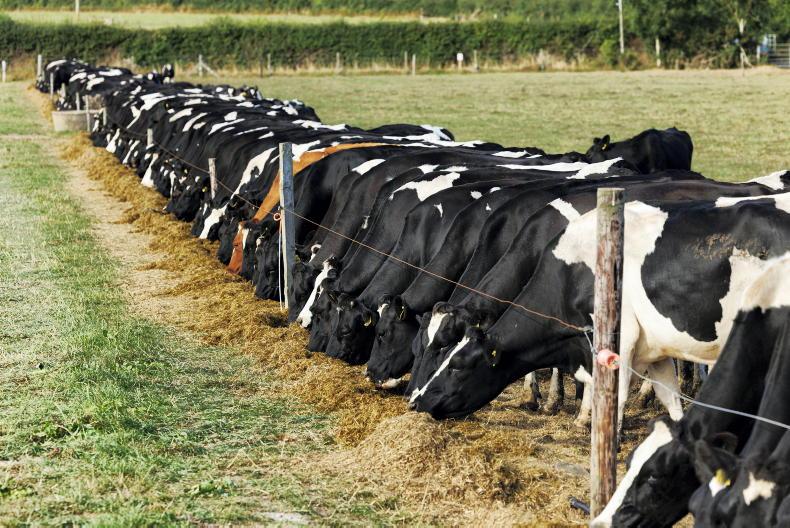
For farms that had been feeding in the paddock up to now, heavy rain will mean paddocks getting dirty and the risk of mastitis is increased.
This may mean feeding cows in either the yard or shed. If feed space is tight, cows will need to be split into two groups and rotated to ensure young cows and lighter animals are getting enough time to feed.
Cull cows
Despite rain arriving, empty cows and high SCC cows should still be culled. These cows will only slow down the building of grass if they are kept with the grazing herd.
The argument is often made that it’s only the end of August and there’s a lot of milk left in some of these cows and while this may be true, they are adding a lot of cost to the system.
If there is enough silage on the farm, these cows can be housed and milked once-a-day. This way they will put on condition while still giving plenty of milk.
If silage has to be bought in to feed them, the benefit is eroded and the cost of producing that milk becomes higher than the value of it.
Dairy pages
In Thursday’s dairy pages, Brendan Horan and I report from two discussion group meetings in Munster and south-Leinster.
The most common questions from both groups are answered with advice on grazing, fertiliser and more. Check it out in this week’s edition of the Irish Farmers Journal.



SHARING OPTIONS