




Now is a good time to review your milk records from last spring to see what the incidence of heifer mastitis was on the farm.
If more than 15% of heifers either had clinical mastitis at or around calving or a somatic cell count (SCC) of greater than 150,000 cells/ml at the first milk recording, taking additional steps to reduce heifer mastitis risk next year should be considered.
Heifer mastitis can be a significant problem for some herds reducing production and udder health in the first and subsequent lactations.
Indeed, many studies show that elevated SCC at the beginning of their first lactation significantly increases the risk of early culling.
Given the substantial costs associated with rearing heifers, it is imperative that mastitis is prevented in the first lactation.
Heifer mastitis occurs due to exposure of the teats to pathogens in the pre-calving environment and can result in infection before calving.
Options
If your heifers have been calving down with mastitis in previous years, options to reduce the risk of inter-mammary infections and mastitis in the first month after calving include teat sealing heifers 75 days pre-calving and teat spraying heifers regularly in the lead-up to calving.
Research has shown that teat sealing heifers, if done properly, can reduce the incidence of heifer mastitis by up to 50% in problem herds.
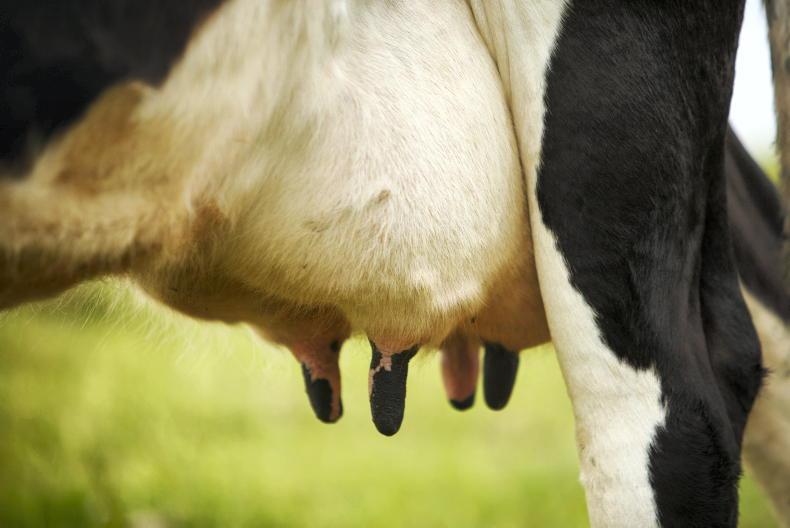
Teat seals form a physical barrier in the teat canal, which helps to prevent bacteria entering the mammary gland and causing mastitis.
When heifers begin to spring up, the natural teat seal is often no longer intact, so teat sealing reinforces and strengthens the heifers' own natural seal. The
practise is essential on farms where heifers spend a lot of time on slats or topless cubicles in the lead-up to calving.
It’s important to consider both your own safety and that of your heifers when teat sealing and milking parlours are not ideal environments to be infusing tubes into small heifers. The preferred option is to use a trained technician with appropriate handling facilities to ensure the process is undertaken safely.
Teat spraying two or three times per week with an appropriate teat spray for the last two weeks before calving has also been shown to reduce the number of certain bacteria at the teat ends and the risk of heifers calving with mastitis.
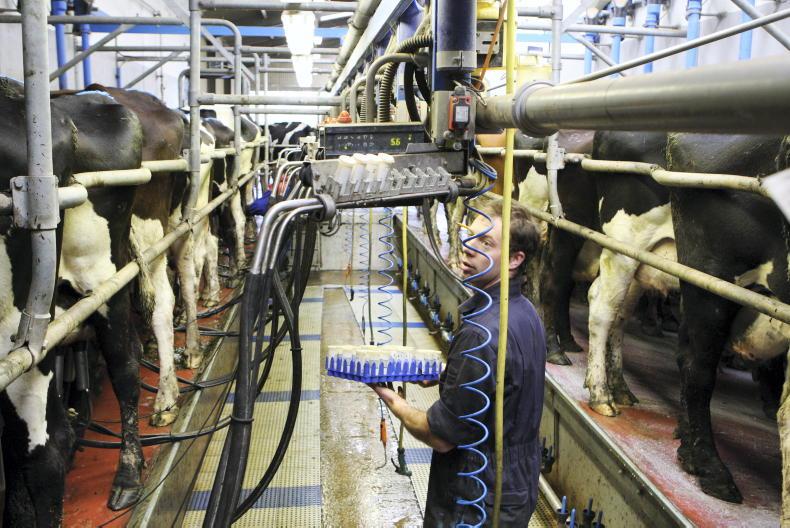
This could be done when parlour training the heifers in December and January.



SHARING OPTIONS