



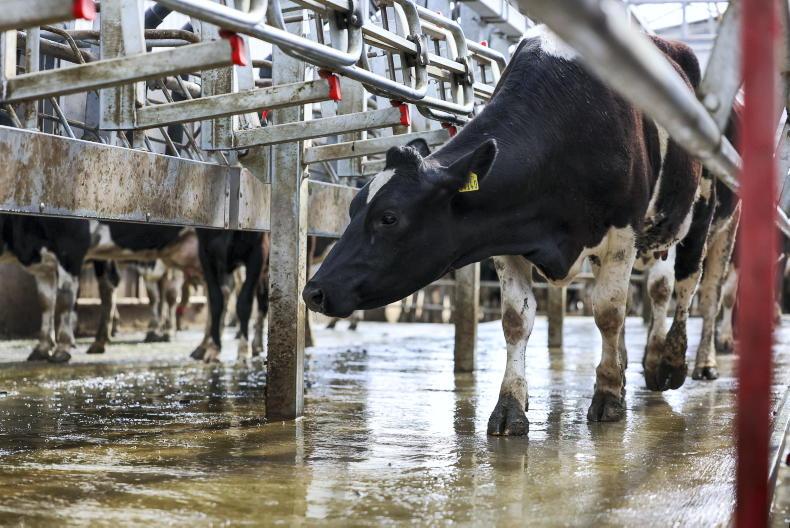
With persistent rainfall bringing about a reduction in grass-dry-matter content levels, high pre-grazing yields (in excess of 2,500kg DM/ha), poor clean outs on grazed paddocks and declining herd milk yields, many farmers are in two minds as to what level of ration they need to feed their herds right now.
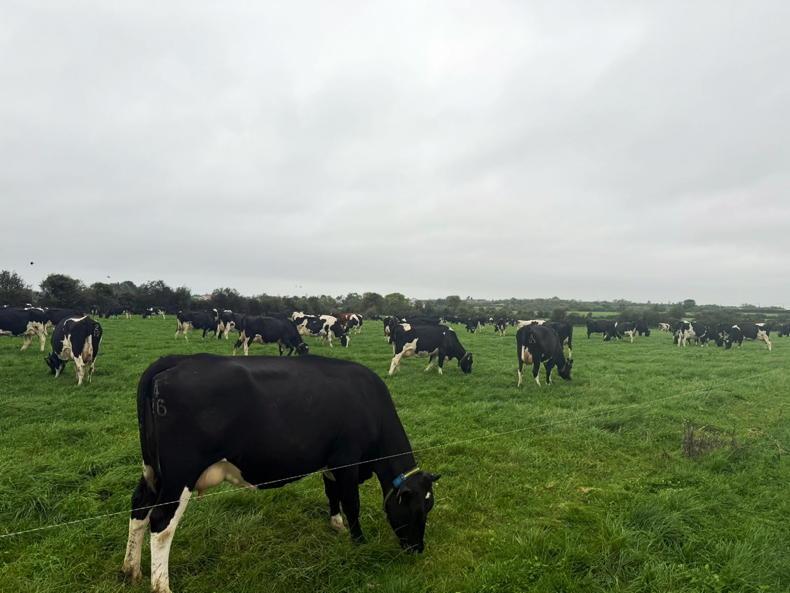
It is inevitable that, with high pre-grazing yields, cleaning out paddocks was going to be difficult this week. Around the country, farmers are struggling to clean off these heavy covers amid the current conditions. It's also obvious that keeping ration-feeding rates low now will increase herd-appetite levels, which should result in better clean outs and less grass wastage during the last rotation on most farms.
At the same time, milk yields have dropped back considerably in recent weeks due to low grass DM levels (11-12% in some cases) and poorer grass quality within high, pre-grazing yields. In an effort to hold milk yield, some farmers may be tempted to increase ration-feeding rates to arrest the decline in animal performance.
Research
Most research studies show that the best milk response to ration for spring calving cows should be timed during autumn. In theory, feeding extra ration now could extend autumn grazing and allow extra days at milk to be achieved for the rest of the year.
Currently, however, we have a lot of grass on farms, so higher ration-feeding rates, combined with high pre-grazing yields, will affect attempts to get enough area grazed off in the next three weeks. Increasing post-grazing residuals means the available grass is wasted.
Research study after research study show that while the feeding an additional 1kg of ration should yield an additional 70-75g milk soilds (MS) per cow per day during autumn, the response on commercial farms frequently falls below that. Although adding extra ration can increase total intake, the average MS response on commercial farms is closer to 55g/kg DM during autumn and across the full year.
That happens because, for every 1kg increase in ration fed, total intake is only increased by 0.5kg, and there is a reduction in grass intake, a phenomenon referred to as substitution.
This substitution effect leads to wastage of grass and compounds the problem of poor residuals. It's estimated that the daily grazing time of a cow is reduced by 12 minutes for every 1kg DM of ration fed, so the higher the ration level, the more grazing time,g rass DM intake is reduced, and more grass is wasted.
What to do?
So what should farmers do?
In the end, dairy farmers have to be pragmatic. At 2-3kg ration per cow per day, cow intakes are supported while the appetite of the herd should still be good enough to clean out paddocks to 4cm using strip wires. Beyond that level of feeding, additional ration is likely to mainly replace grass in the cow diet and make grazing more difficult, without delivering enough additional MS to justify the cost.
It’s a simple maths equation: 1kg ration costs 33 cents. If the response from feeding the extra 1kg is 55g MS, that’s an additional 30 cents in extra milk receipts at current milk prices. Feeding higher levels of ration just doesn’t pay at current milk prices.
On dairy farms, our feed bills are already too high for 2026. Now is the time to hold your nerve. Mix heavier and lighter pre-grazing covers to support high levels of grass intake, and keep ration at no more than 2-3kg per cow per day.
Our focus now needs to turn to using the available grass efficiently, and closing enough area to set the farm up for spring.



SHARING OPTIONS