



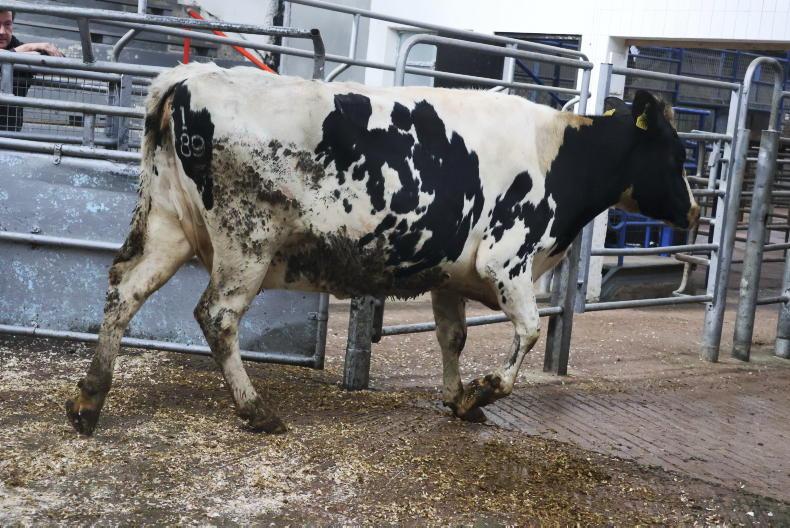
It’s over two months since I last wrote about cull cows. At that time, the drought was in full swing, winter feed supplies looked tight and feed was costing farmers a lot of money.
Offloading some cull cows was the right option then to protect winter fodder supplies, cut feed costs and allow grass covers to build once the drought ended.
The majority of farmers opted not to sell their cull cows back then, choosing to incur the extra costs in the hope of getting more milk from cows through September and October.
Grass went on to recover exceptionally well over the last six weeks and, as a result, many farmers will feel the decision to hold on to cows worked out reasonably well.
However, because of the time of year, we’re now back in a scenario of whether to stick or twist with culls and empty cows, two months on.
Options
If there is plenty of grass on the farm, with an average farm cover of around 1,000kg DM/ha, and the ground is starting to get wet but is still trafficable, holding cull cows for another couple of weeks to get swards grazed off is probably the best option.
While they may not be milking particularly well, plentiful grass supplies mean the majority of milk is being produced at a relatively low cost.
It also means farmers can get paddocks grazed out and hit their autumn grazing targets before land gets too wet and grass utilisation drops.
On the other hand, if the stocking rate is high or grass is getting scarcer, with average covers closer to 800kg DM/ha, selling culls and empty cows will take pressure off the grazing platform.
Milk yields are starting to fall at the moment anyway, and the value of the additional milk sales may not justify holding cows if grass runs out and they have to be housed earlier on diets of silage and meal.
The extra feed costs will quickly outweigh the value of the milk produced.
Prices
Cull cow prices are well back on last year, but well-conditioned cows and younger cows are still making decent money.
For older culls coming straight from the parlour, the Irish Farmers Journal is hearing prices ranging from €850 up to €1,100.
In the case of younger empty cows, prices can range from €1,200 to €1,500 across all breed types.
Bigger Holstein Friesian cows are likely to make €100 to €200 more than smaller crossbred cows.



SHARING OPTIONS