
Despite recent improvements in European and Global Dairy Trade (GDT) commodity prices, milk prices paid to farmers in Ireland and across Europe have been slow to lift.
There are several factors behind this, one of which is the recent performance of high-value proteins.
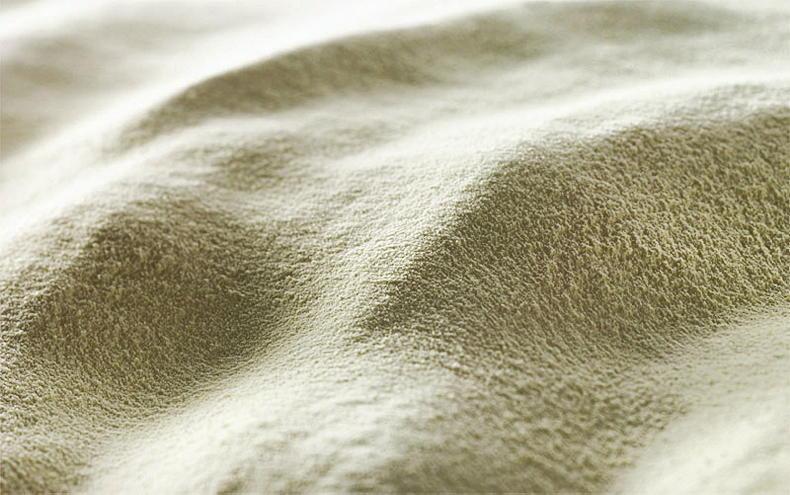
WPC80, a protein used in sports-related snacks and beverages, has suffered the biggest reductions, falling by almost €6,500/t in just over a month.
WPI90, also used as a protein supplement, has not suffered quite as badly but is still back €3,000/t over the same period.
These reductions will undoubtedly be influencing the prices processors are willing to pay farmers.
The other major factor is continued growth in global milk supplies.
Ornua reported that European milk collections increased by 0.7% in September, while US production rose 2.6% and New Zealand output increased by 1.1%.
Overall, global milk production is expected to increase by 2.3% in 2026.
Increased supplies are largely keeping pace with demand, limiting any significant improvement in commodity prices.
However, recent weekly reports suggest milk supplies are beginning to fall across many European countries. This trend would need to continue for several months before any significant recovery in commodity prices could be expected.
Finally, many co-ops and processors will have already forward sold much of their product for the remainder of the year.
This means that even if commodity prices improve further, it will take time before increases are reflected in farmgate milk prices.
In saying that, milk prices are still lagging well behind where they are in Europe and on the Ornua PPI. Going off these indications, there should be room for another 1.5c to 2c/l increase from most processors in order to catch up.