



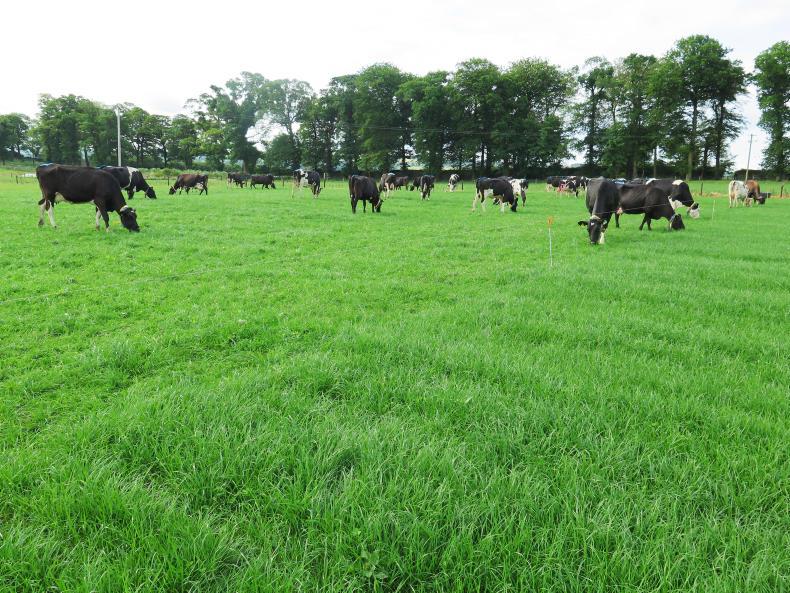
The extent of adoption of robot milkers in Ireland over the last decade has been extraordinary.
The ending of quotas has seen expansion on dairy farms and new entrants to the sector. A significant proportion of greenfield sites have opted for robots. Robots can also suit second milking platforms that have been established away from the land block where the parlour is situated.
Labour has become a big issue on dairy farms, particularly larger units, and the robot is seen as addressing that problem. Allied to these factors, hundreds of farmers have replaced parlours with robots for a change of system and lifestyle.
Numbers
There are about 1,500 robotic milking units across the island. About one-third of these are in Northern Ireland, the majority of those in indoor systems.
About 1,000 robot units are now in place in the Republic of Ireland, most of these installed over the last five years. About 80% are in use on farms with grazing herds.
There are four main players, Lely (Astronaut), DeLaval, Packo Fullwood, and GEA. Lely is the market leader in terms of volume sales, with DeLaval the other big player, but Packo Fullwood and GEA both have their customers too. All, apart from Lely, also fit herringbone and rotary parlours.
A number of factors are considered essential to successfully adopting an external grazing system for use in conjunction with robotic systems.
Grassland management
While grassland management is core to every pasture-based dairy farm, there is an additional element for robot milkers. The aim is to have the cow leaving the paddock to be milked in the belief that better grass awaits on the other side of the milker. A complex ABCD system is often recommended.
Design
While the grassland system and quality plays its part, it is only one part of the design of the farm layout. The location and access to the milking unit is of central importance. The existing yard may not be the best location.
On some farms, it’s a priority to have cows come from the paddock directly to the robot or robots, without distraction. Others utilise a pre-selection gate, to reroute any cows that are not due for milking.
In any event, training the cow to adapt is dependent on an efficient flow pattern. All the companies offer design assistance.
Technology
The farmer, instead of managing the herd primarily through cow observation in the parlour, is managing the herd through observation of data returned from the robot and the cow transponders.
This requires an ability to read and interpret large amounts of data, and distil the information into important issues to be checked or acted on.
It’s a skillset that requires an investment of time and a commitment to adaptation.


SHARING OPTIONS