“We know from major high-profile issues such as the horsemeat scandal and the pig meat dioxin crisis, that these systems [labelling] are deficient.” - Meghen, IdentiGEN
ADVERTISEMENT
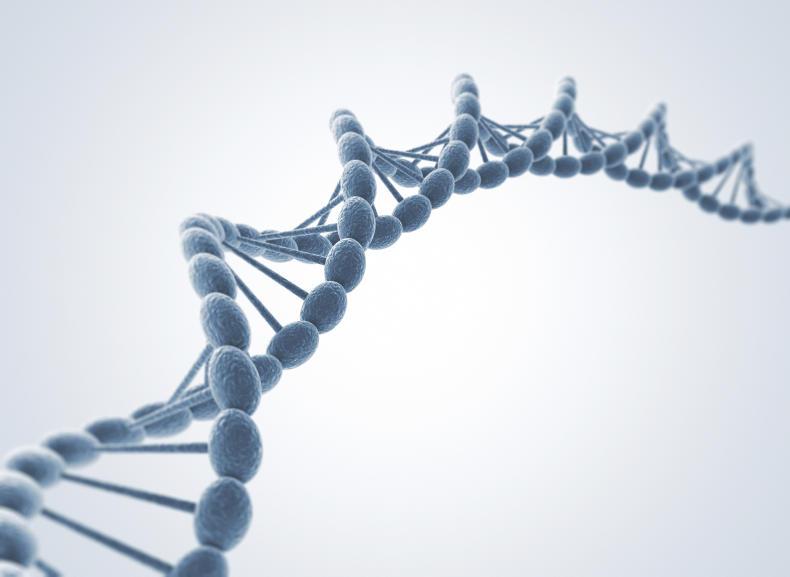
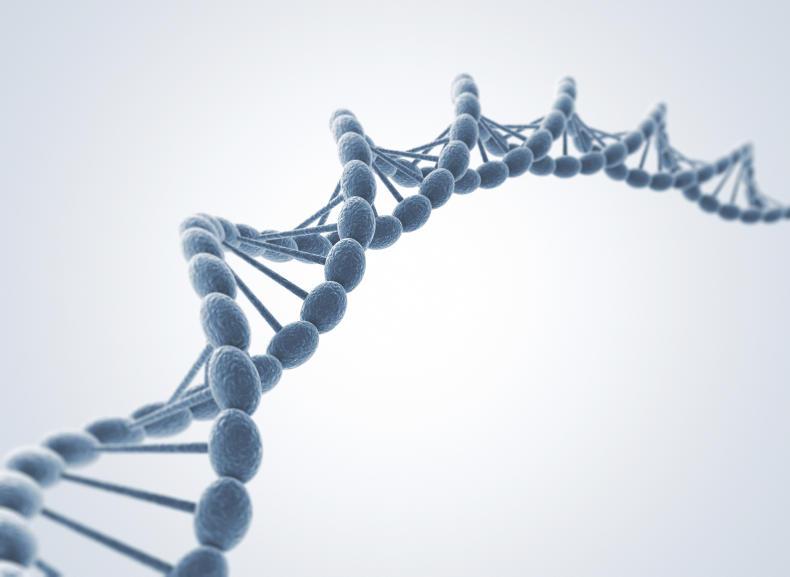
Dublin-based company IdentiGEN has secured €1.8m in funding to develop DNA identification in meat traceability systems.
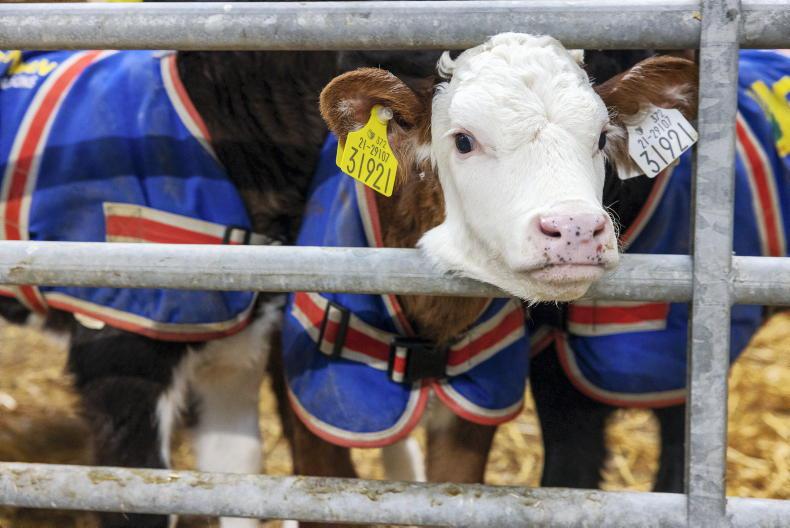
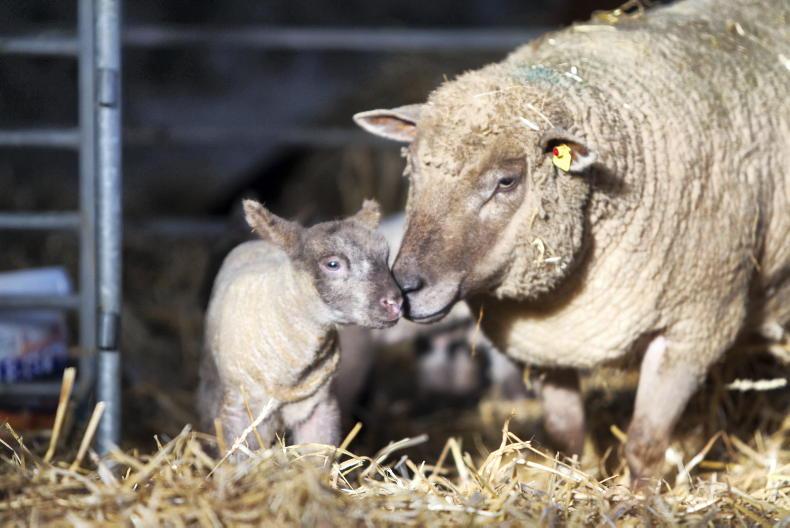
The Beyond Food Labelling project will see DNA samples taken from animals at slaughter, making it possible to link all meat products to the animal of origin.
A similar system is
already in use in Switzerland, where every beef and veal carcase processed by co-op
Proviande has a DNA profile taken so that products can be matched directly to the animal it came from.
ADVERTISEMENT
Irish traceability systems currently operate through the use of labels and detailed record keeping.
IdentiGEN managing director Ciáran Meghen told the Irish Farmers Journal that the current labelling system is inadequate.
“We know from major high-profile issues such as the horsemeat scandal and the pig meat dioxin crisis, that these systems are deficient,” Meghen said.
A Food Safety Authority of Ireland (FSAI) audit on food of animal origin found 18% of traceability audits were unsatisfactory due to labelling errors.
DNA profiles can verify genetic traits such as breed and gender, but non-genetic claims such as animals being grass-fed and the method of slaughter would remain a labelling issue.
This content is available to digital subscribers and loyalty code users only. Sign in to your account, use the code or subscribe to get unlimited access.
The reader loyalty code gives you full access to the site from when you enter it until the following Wednesday at 9pm. Find your unique code on the back page of Irish Country Living every week.
CODE ACCEPTED
You have full access to the site until next Wednesday at 9pm.
CODE NOT VALID
Please try again or contact support.
Dublin-based company IdentiGEN has secured €1.8m in funding to develop DNA identification in meat traceability systems.
The Beyond Food Labelling project will see DNA samples taken from animals at slaughter, making it possible to link all meat products to the animal of origin.
A similar system is
already in use in Switzerland, where every beef and veal carcase processed by co-op
Proviande has a DNA profile taken so that products can be matched directly to the animal it came from.
Irish traceability systems currently operate through the use of labels and detailed record keeping.
IdentiGEN managing director Ciáran Meghen told the Irish Farmers Journal that the current labelling system is inadequate.
“We know from major high-profile issues such as the horsemeat scandal and the pig meat dioxin crisis, that these systems are deficient,” Meghen said.
A Food Safety Authority of Ireland (FSAI) audit on food of animal origin found 18% of traceability audits were unsatisfactory due to labelling errors.
DNA profiles can verify genetic traits such as breed and gender, but non-genetic claims such as animals being grass-fed and the method of slaughter would remain a labelling issue.
If you would like to speak to a member of our team, please call us on 01-4199525.
Link sent to your email address
We have sent an email to your address. Please click on the link in this email to reset your password. If you can't find it in your inbox, please check your spam folder. If you can't find the email, please call us on 01-4199525.
ENTER YOUR LOYALTY CODE:
The reader loyalty code gives you full access to the site from when you enter it until the following Wednesday at 9pm. Find your unique code on the back page of Irish Country Living every week.






SHARING OPTIONS