In sport, small margins can make huge differences.
A missed black off its spot that stopped Jimmy White beating Stephen Hendry in the 1994 World Snooker Championship final. A slightly over-hit approach shot from Tom Watson at the final hole of the 2009 Open Championship leading to a bogey when a par would have given him a sixth title, at the age of 59.
A slight nudge in Tommy Doyle’s back giving Séamus Darby the extra bit of space needed to score the winning goal for Offaly in the 1982 All-Ireland football final, denying Kerry the five in a row. We could go on.
In top-class athletics, the margins are even finer. Hundredths of a second represent the aeons that separate the medallists from those off the podium.
Fourth-fastest
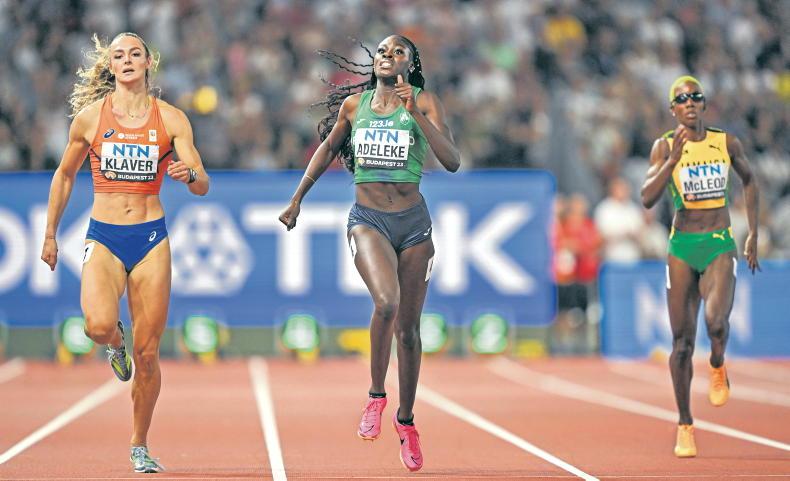
Nobody will be more keenly aware of that after the World Athletics Championships than Ciara Mageean and Rhasidat Adeleke.
Both women are the fourth-fastest in their chosen disciplines – 1500m and 400m respectively – in the whole world. It’s a superb achievement but it’s made slightly bittersweet by the fact that only the top three get medals.
At the age of 31, Mageean ran faster than she ever had in her life in Budapest, setting a new national record in the process. As she said in a very composed television interview afterwards, to be disappointed to be fourth in the world was probably a good thing but she has had the season of her life. It will be tough to improve for the Olympics in Paris next year but there is no denying the determination of the Derry woman to do so.
Given that Adeleke is only 20, there might be an inclination to be somewhat more blasé about her relative disappointment in coming fourth.
Improvement would appear to be a given, with the timing for Paris suiting her. At the same time, injury or loss of form are never prejudiced in terms of who they affect.
All things being equal, the Tallaght runner will have a medal around her neck this time next year but, just as harsh as fourth not being rewarded is the fact that there are no guarantees in sport.
Reflecting on the Rebels’ football history
I’m writing another book. And, just in case you might never have considered it, an impending deadline focuses the mind like few other things.
Having written Cork Hurling: Game of My Life last year – it was out in the spring, a quiet time for book launches, but it was briefly top of the sports charts – the football version is now nearly ready to be sent to the printers.
The format is one that has proven popular for the publishers, Hero Books, which is led by the two-time Meath All-Ireland winner, Liam Hayes. Twenty-five players reminisce about the one match that stands above all others for them and in the process what results is an oral history of the county in question.
This book goes from Con ‘Paddy’ O’Sullivan of Beara talking about the 1966 Munster final right up to Ian Maguire and this year’s win over Mayo.
Cork football is a unique species. To the west is Kerry and all of the history and swagger and blackguarding that they bring; but then to the east is Cork hurling, which always attracts more of the limelight on Leeside and sometimes pilfers players who might be better suited to the bigger ball.
Seven wins
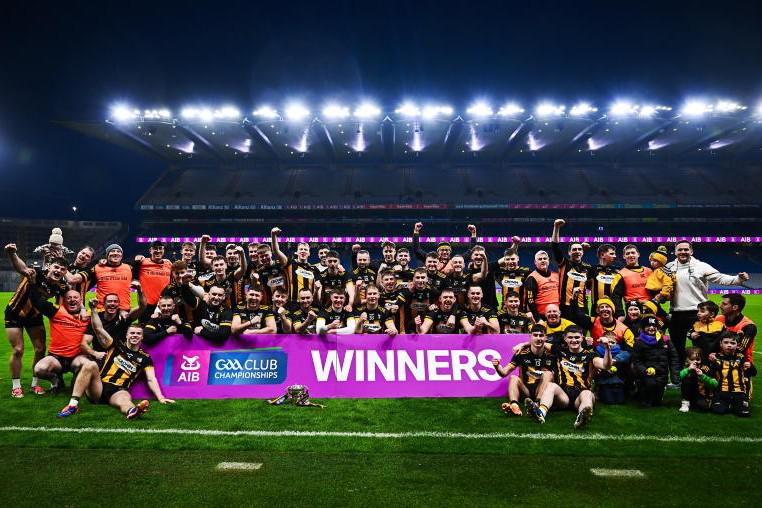
The Rebels have won the football All-Ireland seven times, which seems like a poor return given the size of the county, but nobody ever backed into a Sam Maguire. The wins were hard-earned, fuelled by earlier disappointments. And even then, the refrain is usually that the successful teams should have won more.
Having become a journalist in 2007, the battle that Conor Counihan’s Cork team had to win the 2010 All-Ireland will always be close to my heart and it has been special to hear the recollections of the players that made that happen.
Equally, I was lucky to attend both legs of the 1990 double and to be able to meet the people who seemed like superheroes to me at the time is a real privilege.
All going well, the book will be out in early October and we will give a copy away here.
Facing the French again in Euro qualifiers
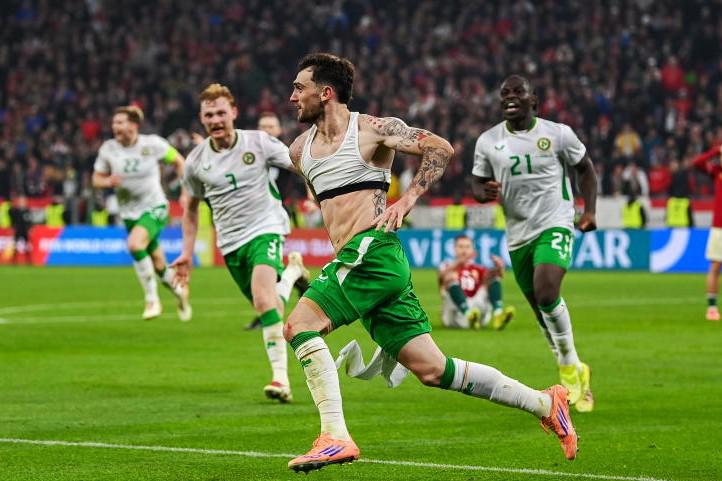
The Republic of Ireland have three points after three games of their Euro 2024 qualifying campaign. While the tally of matches will be five by this time next week, we fear that the points total may remain stuck where it is.
Thursday night sees a trip to Paris to face France – in the Parc des Princes rather than the Stade de France, due to the impending Rugby World Cup – and then, after a tough evening against Kylian Mbappé and Antoine Griezmann, Stephen Kenny’s side return home to face the Netherlands three days later.
Relief
While the Dutch were fairly clueless in Paris when they lost 4-0 in March, France are a level above most international teams – witness the relief when Ireland kept them to just a goal at Aviva Stadium in the next match after that.
Holland are currently level on three points with Ireland but that is primarily because they have played a game less.
They host Greece when Ireland play France so they are likely to be three points ahead when they come to Dublin. The only saving grace is that a defeat for Greece would give Ireland hope of finishing third.
It’s hardly the loftiest of aims but that’s the reality in which we’re living. Maybe the fact that Ireland are such underdogs will lead the games to be treated as free hits but that’s unlikely. The bottom line is that the games against Greece and Gibraltar are of more importance in terms of what the future holds for the team and Kenny.
In sport, small margins can make huge differences.
A missed black off its spot that stopped Jimmy White beating Stephen Hendry in the 1994 World Snooker Championship final. A slightly over-hit approach shot from Tom Watson at the final hole of the 2009 Open Championship leading to a bogey when a par would have given him a sixth title, at the age of 59.
A slight nudge in Tommy Doyle’s back giving Séamus Darby the extra bit of space needed to score the winning goal for Offaly in the 1982 All-Ireland football final, denying Kerry the five in a row. We could go on.
In top-class athletics, the margins are even finer. Hundredths of a second represent the aeons that separate the medallists from those off the podium.
Fourth-fastest
Nobody will be more keenly aware of that after the World Athletics Championships than Ciara Mageean and Rhasidat Adeleke.
Both women are the fourth-fastest in their chosen disciplines – 1500m and 400m respectively – in the whole world. It’s a superb achievement but it’s made slightly bittersweet by the fact that only the top three get medals.
At the age of 31, Mageean ran faster than she ever had in her life in Budapest, setting a new national record in the process. As she said in a very composed television interview afterwards, to be disappointed to be fourth in the world was probably a good thing but she has had the season of her life. It will be tough to improve for the Olympics in Paris next year but there is no denying the determination of the Derry woman to do so.
Given that Adeleke is only 20, there might be an inclination to be somewhat more blasé about her relative disappointment in coming fourth.
Improvement would appear to be a given, with the timing for Paris suiting her. At the same time, injury or loss of form are never prejudiced in terms of who they affect.
All things being equal, the Tallaght runner will have a medal around her neck this time next year but, just as harsh as fourth not being rewarded is the fact that there are no guarantees in sport.
Reflecting on the Rebels’ football history
I’m writing another book. And, just in case you might never have considered it, an impending deadline focuses the mind like few other things.
Having written Cork Hurling: Game of My Life last year – it was out in the spring, a quiet time for book launches, but it was briefly top of the sports charts – the football version is now nearly ready to be sent to the printers.
The format is one that has proven popular for the publishers, Hero Books, which is led by the two-time Meath All-Ireland winner, Liam Hayes. Twenty-five players reminisce about the one match that stands above all others for them and in the process what results is an oral history of the county in question.
This book goes from Con ‘Paddy’ O’Sullivan of Beara talking about the 1966 Munster final right up to Ian Maguire and this year’s win over Mayo.
Cork football is a unique species. To the west is Kerry and all of the history and swagger and blackguarding that they bring; but then to the east is Cork hurling, which always attracts more of the limelight on Leeside and sometimes pilfers players who might be better suited to the bigger ball.
Seven wins
The Rebels have won the football All-Ireland seven times, which seems like a poor return given the size of the county, but nobody ever backed into a Sam Maguire. The wins were hard-earned, fuelled by earlier disappointments. And even then, the refrain is usually that the successful teams should have won more.
Having become a journalist in 2007, the battle that Conor Counihan’s Cork team had to win the 2010 All-Ireland will always be close to my heart and it has been special to hear the recollections of the players that made that happen.
Equally, I was lucky to attend both legs of the 1990 double and to be able to meet the people who seemed like superheroes to me at the time is a real privilege.
All going well, the book will be out in early October and we will give a copy away here.
Facing the French again in Euro qualifiers
The Republic of Ireland have three points after three games of their Euro 2024 qualifying campaign. While the tally of matches will be five by this time next week, we fear that the points total may remain stuck where it is.
Thursday night sees a trip to Paris to face France – in the Parc des Princes rather than the Stade de France, due to the impending Rugby World Cup – and then, after a tough evening against Kylian Mbappé and Antoine Griezmann, Stephen Kenny’s side return home to face the Netherlands three days later.
Relief
While the Dutch were fairly clueless in Paris when they lost 4-0 in March, France are a level above most international teams – witness the relief when Ireland kept them to just a goal at Aviva Stadium in the next match after that.
Holland are currently level on three points with Ireland but that is primarily because they have played a game less.
They host Greece when Ireland play France so they are likely to be three points ahead when they come to Dublin. The only saving grace is that a defeat for Greece would give Ireland hope of finishing third.
It’s hardly the loftiest of aims but that’s the reality in which we’re living. Maybe the fact that Ireland are such underdogs will lead the games to be treated as free hits but that’s unlikely. The bottom line is that the games against Greece and Gibraltar are of more importance in terms of what the future holds for the team and Kenny.






SHARING OPTIONS