



The Signpost Programme is the Teagasc-led, whole of industry initiative to support farmers in reducing greenhouse gas (GHG) emissions from farming. 
About the Signpost Farms
There are 119 Signpost Farms in total, including 50 dairy farms, 24 suckler beef farms, 16 dairy calf-to-beef farms, eight sheep farms, eight tillage farms, two pig farms, one poultry farm and 10 other farms (including the six agricultural colleges and a number of Teagasc research demonstration farms).
Included in these numbers are five organic farms. The location of the farms can be seen in Figure 1.
GHG emissions in 2021
The need to reduce GHG emissions from our farming activities was highlighted by the recent 25% emissions reduction target for the agricultural sector set out by the Government.
One of the objectives of the Signpost Programme is to work with the Signpost Farmers to reduce GHG emissions in line with national policy objectives.
As with any change process, it is important to know your starting point. We now have this key piece of information for the Signpost Farms, along with other key sustainability metrics.
Fertiliser and nutrient use
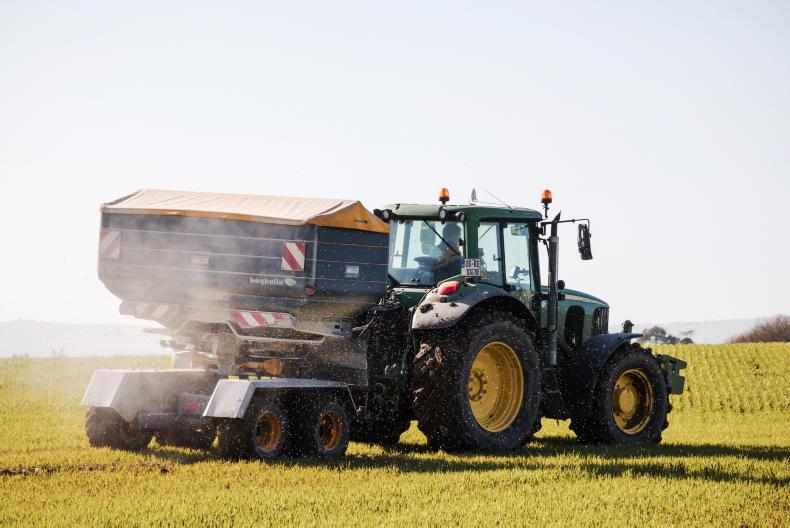
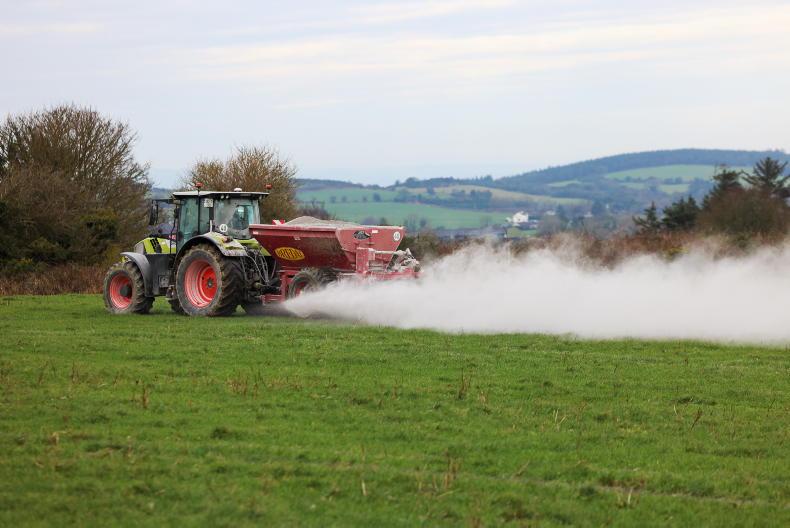
Nitrous oxide (N2O) is a potent GHG, with a warming potential 265 times that of CO2. It accounted for almost 25% of total agricultural GHG emissions in 2021, with chemical fertiliser applications being the principal source of this (37%).
If farmers are to reduce N2O emissions, they will need to reduce fertiliser use and increase the efficiency with which fertiliser and animal slurries are used. Spring 2022 analysis showed that slurry on Signpost Farms contained valuable nutrients (see Table 1).
Signpost Farms results
The results highlight a number of points:
In total, 136 slurry samples were collected from the livestock Signpost Farms in early 2022 and subsequently analysed. For many of these farms, it was the first time that slurry had been analysed. The results were used by the Signpost Farmers to tailor their fertiliser applications during the year.
What’s next?
We now have a starting point in terms of GHG emissions on farms, as well as an outline of the usage of key climate mitigation technologies on those farms. Data is being recorded again on these farms in 2022, and once such data is available next year, we will be able to observe the impact of management changes on the sustainability indicators, including total GHG emissions, for 2022 versus the baseline year of 2021.
What can you do?
From early next year, farmers will be able to access a new digital platform to view their emissions position and to develop a plan to reduce emissions with their adviser – this platform is currently being built by Teagasc, ICBF and Bord Bia.



SHARING OPTIONS