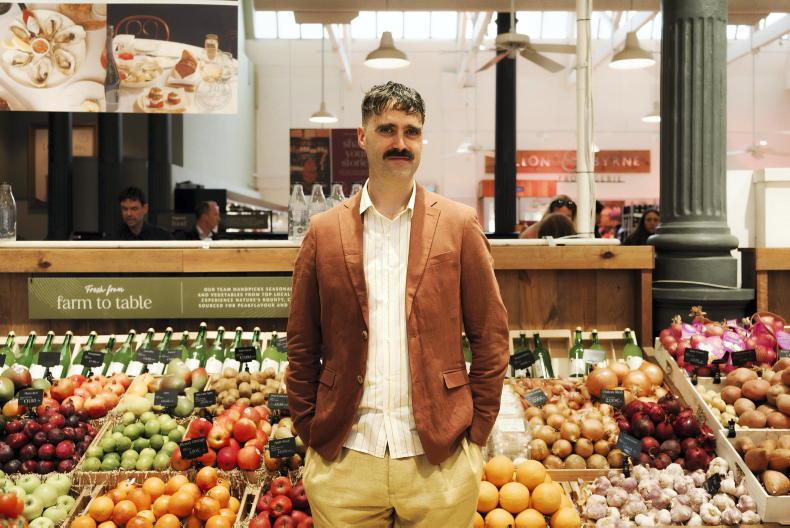
When you walk into Fallon & Byrne’s food hall – past the abundant cheese counter, the glistening charcuterie, the shelves of carefully sourced wines and pantry goods – you’re seeing more than a retail operation. You’re seeing the cumulative work of a team of buyers and producers.
Limerick native Donal Flynn has been working in the company for 14 years and leads the food and wine buying team at Exchequer Street in Dublin. His career traces the arc of Ireland’s evolving food culture.
Donal grew up in Limerick, in a household where food was both a livelihood and a language. His parents ran café-restaurants in the city, and the rhythms of service and hospitality formed the backdrop to his childhood.
“I grew up in a food environment. My mom was always an amazing cook, and I learned a huge amount from her. We would always go on family trips to Europe in my teenage years. We would go on camping holidays to France, Italy and Spain. I found it really fascinating being exposed to different foods there,” says Donal.
“I was a very picky eater as a young kid but that changed, and then I became kind of the opposite. Now there’s very little that I won’t at least try,” he says.
Despite his food-rich upbringing, Donal didn’t go straight into hospitality or food purchasing. He studied English and philosophy at college as he was drawn to ideas, culture and stories.
“Similar to why I liked food, I was interested in taste and aesthetics and that’s why I was interested in English.
I liked literature, it was that part of philosophy that I was into and the cultural side. There was quite a strong parallel between those interests in the arts and in the culinary side of things,” says Donal.
While doing a Master’s in Philosophy, he began working at Sheridan’s Cheesemongers. There Donal discovered a way of looking at food, one rooted in history, geography and culture.
“I really enjoyed learning about the background to all the cheese producers – why certain things are made in certain regions, and why Ireland is different,” he says.
The story of Irish cheese particularly fascinated Donal as it was a late industry.
“We didn’t really have an industry until the late 1970s and that’s one of the advantages we have as were not tied to tradition like France, Spain and Italy. We have a huge diversity of cheeses across the country in a relatively small geographical area,” says Donal.
Donal might have stayed in academia and pursued a PhD but because of the economic crash, he moved into a role in Fallon & Byrne as the cheese and charcuterie manager in their outlet in Exchequer Street, Dublin.
“When I started the cheese was over in a corner, it had a relatively small space. Now it takes up a much larger space because the interest has grown. It has become part of peoples everyday life now,” he says.
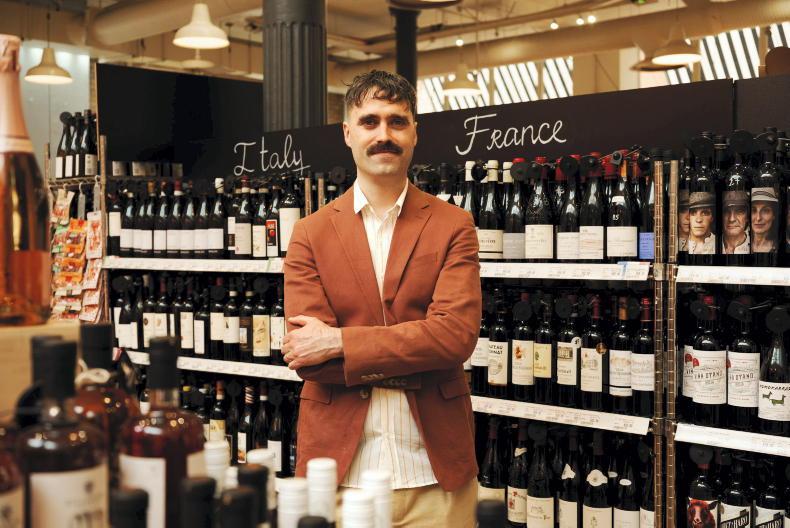
Donal Flynn in the wine section of Fallon & Byrne.
Getting the basics right
His early work was about fundamentals and getting the standards, knowledge, and experience.
“When I came in first, it was nuts and bolts – getting the everyday stuff up to high standards, making sure everyone understood what we were selling and was comfortable with it,” says Donal.
He focused on bringing cultural and historical context into the retail space, “turning a counter into a conversation”.
“Introducing the background, that cultural heritage side of things, so everyone selling this stuff could engage customers and give them that knowledge and experiential shopping they were looking for,” he explains.
As Irish consumers became more cheese-curious, Fallon & Byrne was ready. The category expanded in range, quality and footprint, mirroring a broader national shift towards artisan Irish cheese and continental-style grazing.
Donal’s role later expanded significantly when he became food hall manager, overseeing a team of 60 people and the daily operations of a complex, seven-day-a-week business. The ambition within the store has always been high, but in the last six years, Donal has seen a shift in execution.
“Everything is just a bit sharper, and that goes across the building. There have been some amazing times throughout that. We won the shop of the year a couple of times. And, getting that sort of feedback from public-generated votes was huge,” he says.
Today, much of Donal’s work revolves around buying, sourcing and strategy. Understanding what customers want now, and what they’ll be reaching for next year.
He and the purchasing team run rolling 12-week deep dives on each sub-department, tasting every new product and assessing performance.
Developing a buyer’s eye
“During those meetings, we will try every new product that has been brought to us. It’s a lot easier if we have done the background research first, and the product is ready to sell in terms of design and logistics.
“I would always recommend that people think about where they are going to be in six months, and they have built in margins so a distributor can take it on,” says Donal. “It’s a mixture of being aware of what’s happening on social media, being open to new products and having a firm set of standards.
“We do have luxury; we are at the higher end of the market, but it is about something tasting really good. It has to make commercial sense,” he says.
In terms of consumer trends, Donal has seen the continuation of the movement to premium own-brand goods.
Along with that, having more time is a quality people seek out while they shop – and they are looking for convenient, healthy, ready-to-go meals.
See fallonandbyrne.com
When you walk into Fallon & Byrne’s food hall – past the abundant cheese counter, the glistening charcuterie, the shelves of carefully sourced wines and pantry goods – you’re seeing more than a retail operation. You’re seeing the cumulative work of a team of buyers and producers.
Limerick native Donal Flynn has been working in the company for 14 years and leads the food and wine buying team at Exchequer Street in Dublin. His career traces the arc of Ireland’s evolving food culture.
Donal grew up in Limerick, in a household where food was both a livelihood and a language. His parents ran café-restaurants in the city, and the rhythms of service and hospitality formed the backdrop to his childhood.
“I grew up in a food environment. My mom was always an amazing cook, and I learned a huge amount from her. We would always go on family trips to Europe in my teenage years. We would go on camping holidays to France, Italy and Spain. I found it really fascinating being exposed to different foods there,” says Donal.
“I was a very picky eater as a young kid but that changed, and then I became kind of the opposite. Now there’s very little that I won’t at least try,” he says.
Despite his food-rich upbringing, Donal didn’t go straight into hospitality or food purchasing. He studied English and philosophy at college as he was drawn to ideas, culture and stories.
“Similar to why I liked food, I was interested in taste and aesthetics and that’s why I was interested in English.
I liked literature, it was that part of philosophy that I was into and the cultural side. There was quite a strong parallel between those interests in the arts and in the culinary side of things,” says Donal.
While doing a Master’s in Philosophy, he began working at Sheridan’s Cheesemongers. There Donal discovered a way of looking at food, one rooted in history, geography and culture.
“I really enjoyed learning about the background to all the cheese producers – why certain things are made in certain regions, and why Ireland is different,” he says.
The story of Irish cheese particularly fascinated Donal as it was a late industry.
“We didn’t really have an industry until the late 1970s and that’s one of the advantages we have as were not tied to tradition like France, Spain and Italy. We have a huge diversity of cheeses across the country in a relatively small geographical area,” says Donal.
Donal might have stayed in academia and pursued a PhD but because of the economic crash, he moved into a role in Fallon & Byrne as the cheese and charcuterie manager in their outlet in Exchequer Street, Dublin.
“When I started the cheese was over in a corner, it had a relatively small space. Now it takes up a much larger space because the interest has grown. It has become part of peoples everyday life now,” he says.

Donal Flynn in the wine section of Fallon & Byrne.
Getting the basics right
His early work was about fundamentals and getting the standards, knowledge, and experience.
“When I came in first, it was nuts and bolts – getting the everyday stuff up to high standards, making sure everyone understood what we were selling and was comfortable with it,” says Donal.
He focused on bringing cultural and historical context into the retail space, “turning a counter into a conversation”.
“Introducing the background, that cultural heritage side of things, so everyone selling this stuff could engage customers and give them that knowledge and experiential shopping they were looking for,” he explains.
As Irish consumers became more cheese-curious, Fallon & Byrne was ready. The category expanded in range, quality and footprint, mirroring a broader national shift towards artisan Irish cheese and continental-style grazing.
Donal’s role later expanded significantly when he became food hall manager, overseeing a team of 60 people and the daily operations of a complex, seven-day-a-week business. The ambition within the store has always been high, but in the last six years, Donal has seen a shift in execution.
“Everything is just a bit sharper, and that goes across the building. There have been some amazing times throughout that. We won the shop of the year a couple of times. And, getting that sort of feedback from public-generated votes was huge,” he says.
Today, much of Donal’s work revolves around buying, sourcing and strategy. Understanding what customers want now, and what they’ll be reaching for next year.
He and the purchasing team run rolling 12-week deep dives on each sub-department, tasting every new product and assessing performance.
Developing a buyer’s eye
“During those meetings, we will try every new product that has been brought to us. It’s a lot easier if we have done the background research first, and the product is ready to sell in terms of design and logistics.
“I would always recommend that people think about where they are going to be in six months, and they have built in margins so a distributor can take it on,” says Donal. “It’s a mixture of being aware of what’s happening on social media, being open to new products and having a firm set of standards.
“We do have luxury; we are at the higher end of the market, but it is about something tasting really good. It has to make commercial sense,” he says.
In terms of consumer trends, Donal has seen the continuation of the movement to premium own-brand goods.
Along with that, having more time is a quality people seek out while they shop – and they are looking for convenient, healthy, ready-to-go meals.
See fallonandbyrne.com
SHARING OPTIONS