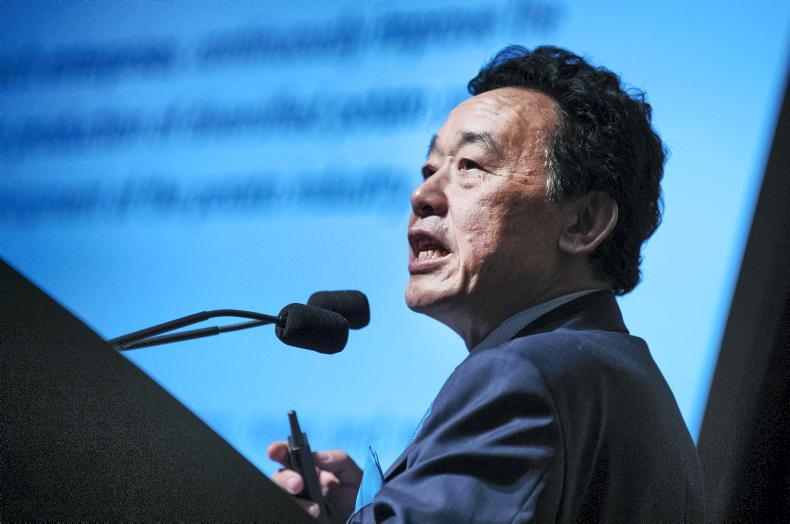
United Nations Food and Agriculture Organisation director general Qu Dongyu. \ Finbarr O'Rourke
ADVERTISEMENT
A 28% increase in farm production is required over the next decade if the United Nations’ sustainable development goal of “zero hunger” is to be met, according to the agricultural outlook 2022 from the Organisation for Economic Co-operation and Development (OECD). This 28% growth would be triple the production growth over the last decade.
The report demonstrates that to achieve zero hunger, lower middle-income countries will require a 10% increase in daily calorie intake per person, while low-income countries will require a 30% increase.
It also forecasts that direct global agricultural emissions will increase by 6% over the next decade, with 90% of this coming from livestock production. However, the outlook suggests that farm emissions are expected to grow more slowly than the simultaneous increase in production.
ADVERTISEMENT
Increased productivity
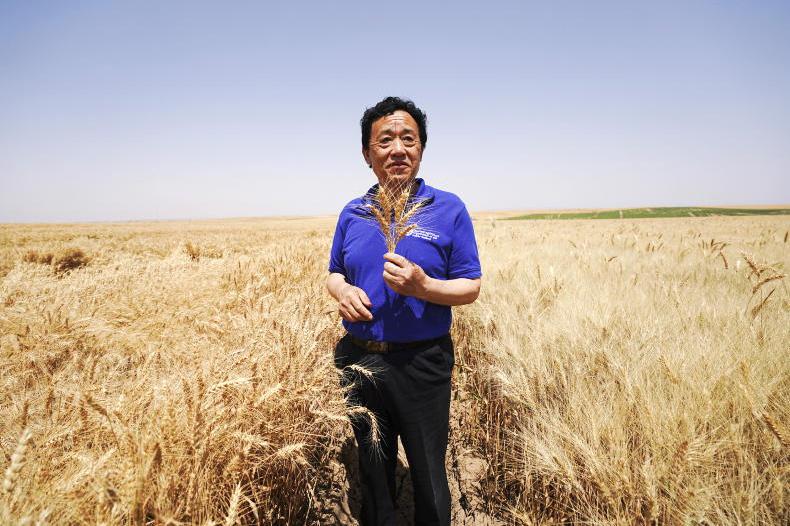
The OECD and Food and Agriculture Organisation (FAO) predicts that to create zero hunger, while reducing emissions by 6%, which they say is possible with enhanced investment in innovation and “co-ordinated agricultural policy”, crop yields will need to grow by 24% and farm animal productivity by 31% by 2030.
FAO director general Qu Dongyu said: “We need to produce more with less impact and use of natural resources.”
OECD secretary general Mathias Cormann warned that the “consequences” of global food security concerns “could be dire, particularly for the most vulnerable”.
Register for free to read this story and our free stories.
This content is available to digital subscribers and loyalty code users only. Sign in to your account, use the code or subscribe to get unlimited access.
The reader loyalty code gives you full access to the site from when you enter it until the following Wednesday at 9pm. Find your unique code on the back page of Irish Country Living every week.
CODE ACCEPTED
You have full access to the site until next Wednesday at 9pm.
CODE NOT VALID
Please try again or contact support.
A 28% increase in farm production is required over the next decade if the United Nations’ sustainable development goal of “zero hunger” is to be met, according to the agricultural outlook 2022 from the Organisation for Economic Co-operation and Development (OECD). This 28% growth would be triple the production growth over the last decade.
The report demonstrates that to achieve zero hunger, lower middle-income countries will require a 10% increase in daily calorie intake per person, while low-income countries will require a 30% increase.
It also forecasts that direct global agricultural emissions will increase by 6% over the next decade, with 90% of this coming from livestock production. However, the outlook suggests that farm emissions are expected to grow more slowly than the simultaneous increase in production.
Increased productivity
The OECD and Food and Agriculture Organisation (FAO) predicts that to create zero hunger, while reducing emissions by 6%, which they say is possible with enhanced investment in innovation and “co-ordinated agricultural policy”, crop yields will need to grow by 24% and farm animal productivity by 31% by 2030.
FAO director general Qu Dongyu said: “We need to produce more with less impact and use of natural resources.”
OECD secretary general Mathias Cormann warned that the “consequences” of global food security concerns “could be dire, particularly for the most vulnerable”.
If you would like to speak to a member of our team, please call us on 01-4199525.
Link sent to your email address
We have sent an email to your address. Please click on the link in this email to reset your password. If you can't find it in your inbox, please check your spam folder. If you can't find the email, please call us on 01-4199525.
ENTER YOUR LOYALTY CODE:
The reader loyalty code gives you full access to the site from when you enter it until the following Wednesday at 9pm. Find your unique code on the back page of Irish Country Living every week.







SHARING OPTIONS