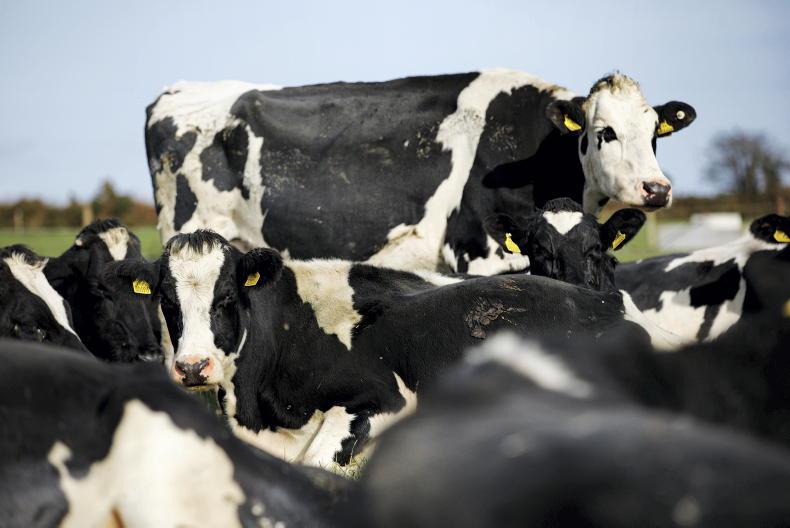
Dairy cows in particular have been affected by the dry spell. / Donal O' Leary
ADVERTISEMENT
Farmers are being warned to potentially test their dairy herds for phosphorus deficiency, which can often be spotted by cows licking stones.
The dry weather in April decreased the ability of pasture to uptake phosphorus and the Department of Agriculture has issued a stark warning on the subject.
It said that out of 73 blood tests in Athlone regional veterinary laboratory in April, some 47% had inorganic phosphorus values that were low or below the normal range.
ADVERTISEMENT
Phosphorus deficiency in cows is associated with weakness, decreased milk yield, haemoglobinuria and ‘pica’ or depraved appetite.
Affected cows can often be seen trying to lick stones.
Farmers who suspect their herds might be affected should contact their vets and conduct blood tests.
Register for free to read this story and our free stories.
This content is available to digital subscribers and loyalty code users only. Sign in to your account, use the code or subscribe to get unlimited access.
The reader loyalty code gives you full access to the site from when you enter it until the following Wednesday at 9pm. Find your unique code on the back page of Irish Country Living every week.
CODE ACCEPTED
You have full access to the site until next Wednesday at 9pm.
CODE NOT VALID
Please try again or contact support.
Farmers are being warned to potentially test their dairy herds for phosphorus deficiency, which can often be spotted by cows licking stones.
The dry weather in April decreased the ability of pasture to uptake phosphorus and the Department of Agriculture has issued a stark warning on the subject.
It said that out of 73 blood tests in Athlone regional veterinary laboratory in April, some 47% had inorganic phosphorus values that were low or below the normal range.
Phosphorus deficiency in cows is associated with weakness, decreased milk yield, haemoglobinuria and ‘pica’ or depraved appetite.
Affected cows can often be seen trying to lick stones.
Farmers who suspect their herds might be affected should contact their vets and conduct blood tests.
If you would like to speak to a member of our team, please call us on 01-4199525.
Link sent to your email address
We have sent an email to your address. Please click on the link in this email to reset your password. If you can't find it in your inbox, please check your spam folder. If you can't find the email, please call us on 01-4199525.
ENTER YOUR LOYALTY CODE:
The reader loyalty code gives you full access to the site from when you enter it until the following Wednesday at 9pm. Find your unique code on the back page of Irish Country Living every week.






SHARING OPTIONS