


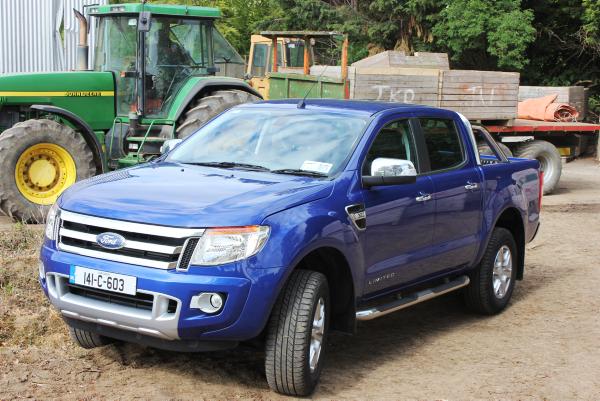
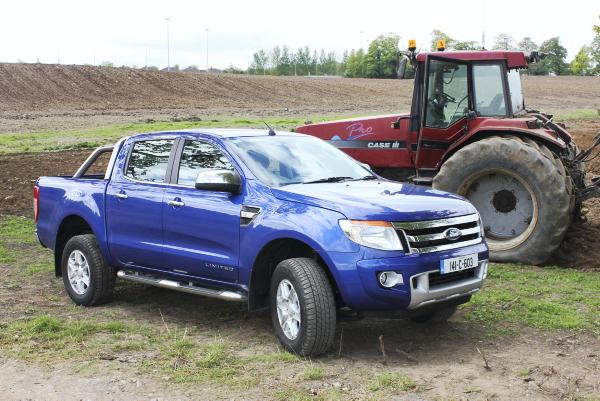
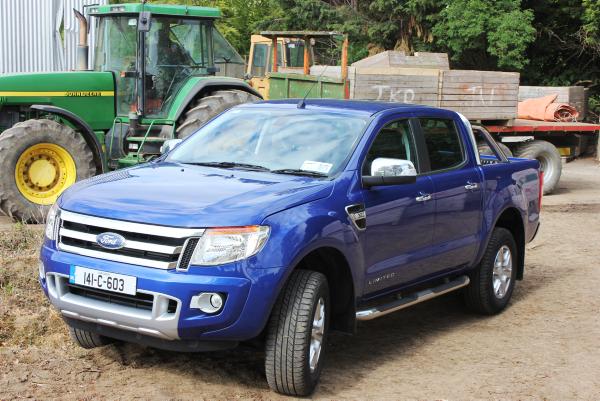
Ford has a powerful new Ranger pick-up that blends style with huge performance. This is a pick-up that was designed in Australia for tough conditions while still retaining good on-road manners.
I drove the 3.2-litre version of the Ranger and compared to the 2.2-litre version I drove in 2012, there is little difference in terms of look and styling. There was some extra chrome trimming and features because it was the Limited version of the Ranger.
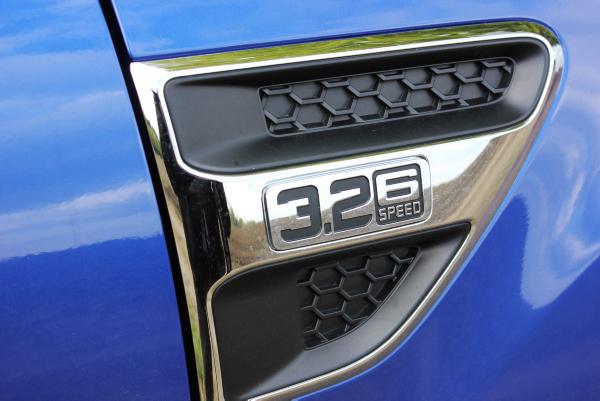
Under the bonnet, this 3.2-litre turbo-diesel engine packs a punch, which you are made aware of the instant you turn on the ignition and it revs up slowly to reach its maximum torque or pulling power of a modest 1,400rpm.
I attached a small loaded trailer but it was almost ignored by the powerful Ranger – I would need a fully loaded double cattle box to test its maximum 3.35-tonne towing ability. That feature alone, apart from the big power output, puts this Ranger ahead of the field when it comes to 4x4 pick-up choices.
We don’t expect 4x4 double-cab pick-ups to be very fuel-efficient and this one is heavier than most of the competition, so fuel economy is not its strongest point. I failed to reach the target figures by about 15%.
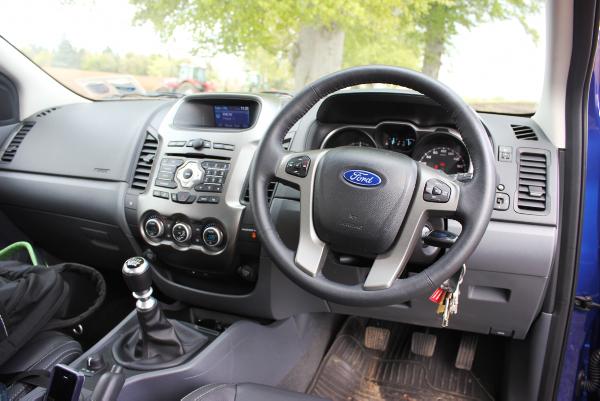
It was possible to cruise at 2,500rpm at 120km/hr as the sixth gear meant solid driving and this, coupled with the engine’s high torque, allowed for a steady pedal. On the inside, the Limited version has plenty of comforts. The layout is modern, functional, solid and easy to use. The steering feels as strong as you expect for a large, working 4x4 pick-up – this is not for commuting, the Ranger 3.2-litre is about work only.
The load area is deep and practical and comes with a plastic lining. The pick-up tailgate is lockable for extra security, with an optional covered top for the pick-up area. There are lots of safety and easy-to-use off-road features to give driver confidence across most conditions.
This Ranger come with an effective button-operated hill descent control. The 4x4 engagement is controlled by a dial beside the single gear lever and it comes into action easily and with no crunching.
The Ranger Limited comes with traction control and hill start assist, the latter being useful when a trailer is attached. There is a trailer swaying control system included, but I didn’t put that to the test.
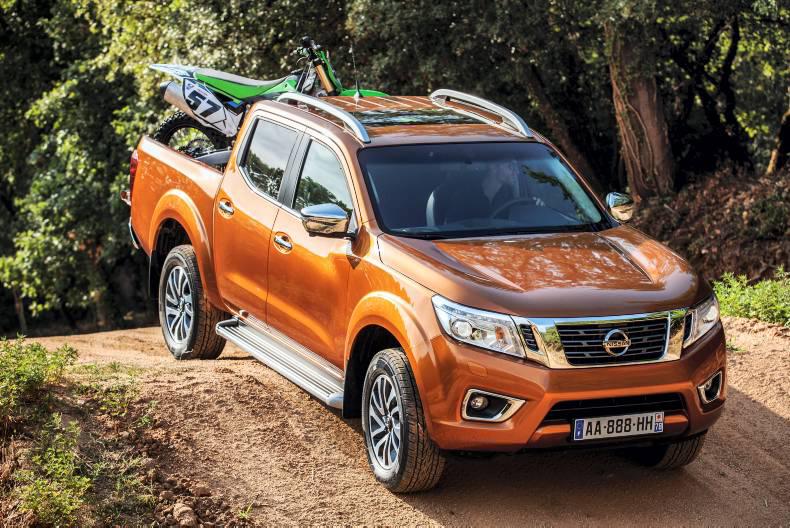
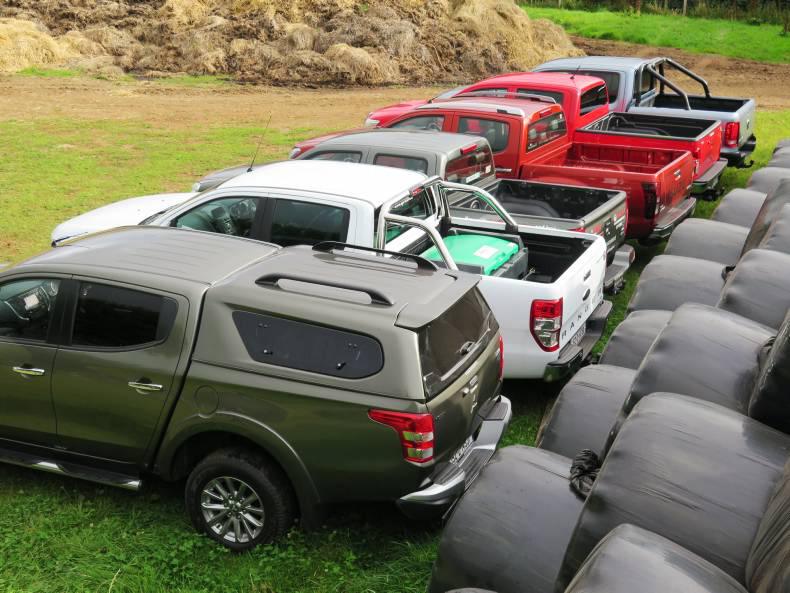
The Toyota Hilux, with its 3.0-litre engine, is the natural comparison. On paper and on the road, this more powerful Ford Ranger wins out. The engine power and acceleration are better, the towing ability is greater and there’s more space in the load area.
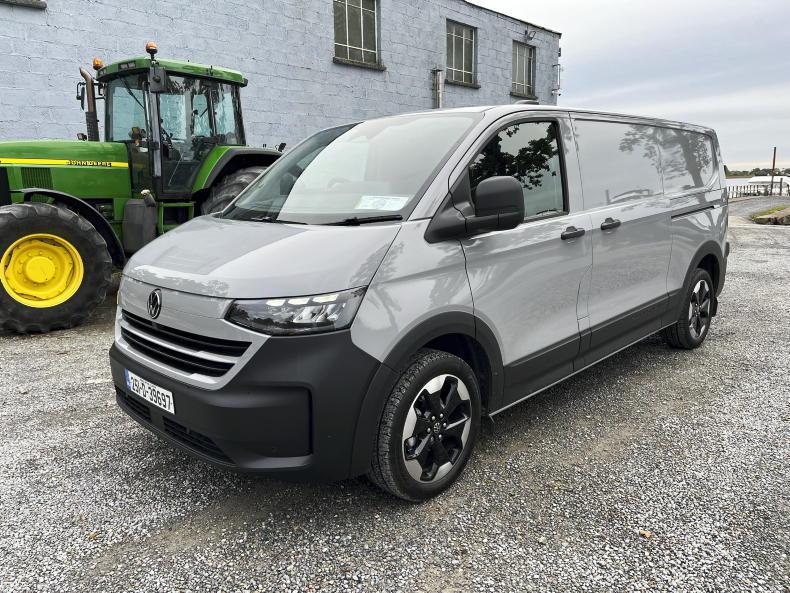
Volkswagen’s new Amarok has a bigger load area, but a smaller engine and lower power and pulling strength.
The Amarok feels equally as big, if not bigger, while the Ranger’s 3.2-litre engine provides a power answer that most 4x4 pick-up drivers would appreciate.
The entry price for the Ranger is €31,694 or £22,773, both VAT inclusive. This is a commercial vehicle and, if VAT registered, it is possible to get a VAT refund of 23%, making the price even more attractive.
There can be issues around road tax for 4x4 double-cab pick-ups, so it is important to register them as commercial. This will require either a VAT number or a herd number for livestock farmers.
The local tax offices can be sticky on this one and demand a PPS number too. The value from the commercial road tax is €333 per annum as against €1,200, so there is a significant running cost difference.
The Ford Ranger is the only 4x4 pick-up to have received a Euro NCAP five-star safety award. That certainly proves its safety credentials.


SHARING OPTIONS