It’s great to get an opportunity to compare similar cars – or in this case vans – in terms of their power and performance, especially when it comes to an almost identical diesel versus electric van comparison. That’s one of the most interesting parts of this job, because it allows the writer to give the reader a tangible comparison result based on some measurable facts, rather than sometimes inflated opinions.
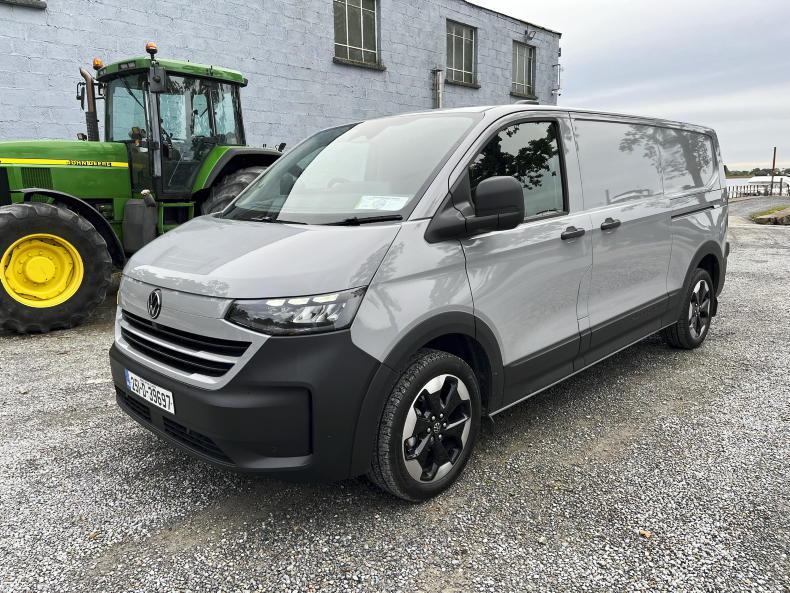
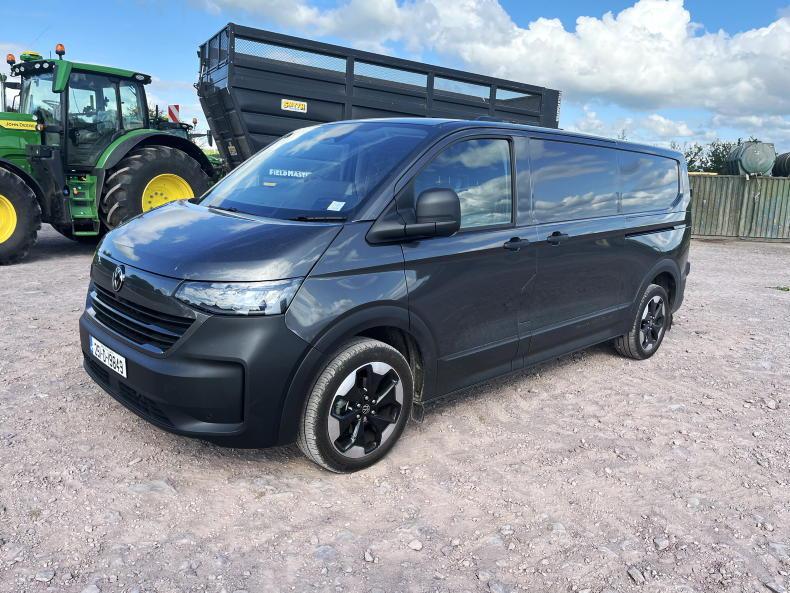
So, the time came for me to drive the new Volkswagen e-Transporter, just some weeks after I had the diesel-powered version on the road and that result was still fresh in my mind. From a safe distance, the two vans look identical, the e-Transporter badge is subtle.
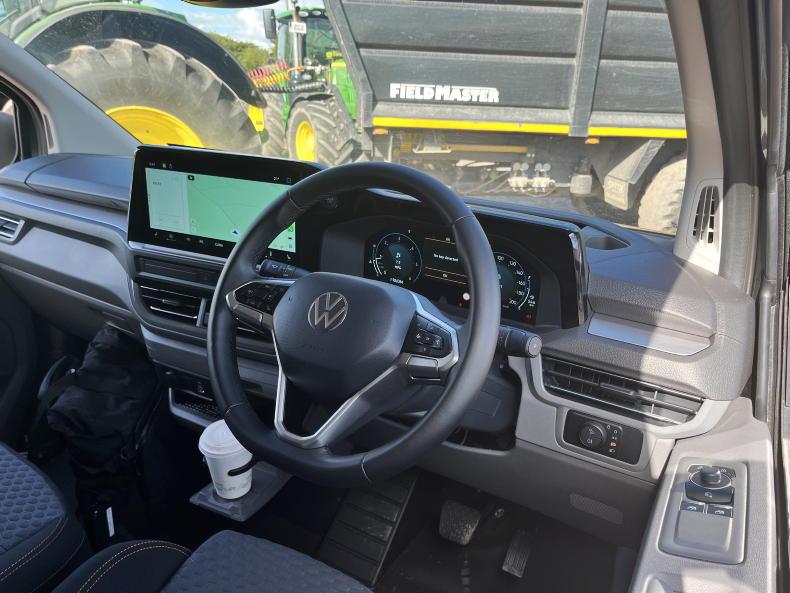
Sit behind the wheel and you’ll wonder what could be different. The seating, the layout and the controls were almost identical as I took to the road in the PanAmericana Version of Volkswagen’s most popular van. But there are some clear differences that need to be explained in this diesel-versus-electric van comparison.

The van’s dimensions are identical in terms of overall size and load area. You need to dig deeper to evaluate the differences, and they are not just about the price.
The diesel version of Volkswagen’s Transporter comes with a well-proven 2.0-litre turbo-diesel engine that’s modest in power and torque, and reliable in performance. The test van came with an eight-speed automatic gearbox controlled by a neat column shift lever that drives the front wheels.
The e-Transporter is powered by a 65kW battery that comes with a lower power rating, uses a single-speed-type electric drive to the rear wheels. It has a higher torque electric motor that delivers impressive acceleration which means that this is the faster van of the two when it comes nippy around town driving.
I found that the driving differences between the front and rear wheels don’t really impact on the driving ability or comfort of the vehicle.
This is because the heavy battery under the van floor in the electric version will aid rear wheel traction, while the heavy front engine gives grip to the front wheels in the marginally slower diesel-powered version.
Depending on how you use the van will impact on the choice between diesel and electric. The diesel version, with its 50-litre fuel tank, will give a range of about 750km between refills. The range for the electric version is rated at 320km on a full charge which is cheaper to achieve with a home charger than opting for a full diesel tank refill at today’s prices. But there is that range convenience from diesel power.
What is interesting about this van comparison is that both come with an identical towing rating of 2.3t with a braked trailer. That alone is impressive, and it is achieved in the battery electric version because of the high torque setting for the drive motor. What is also interesting is that the electric version has a marginally higher payload, meaning you can carry more legally and safely.
This should make the battery electric version of the new Volkswagen Transporter the van of choice for many buyers. But evidently it is not.
Looking at the Society of the Irish Motor Industry (SIMI) registration figures for 2025, only 72 Volkswagen battery electric versions have been registered to the end of September, which is just 1.7% of the total Transporter registration numbers.
The figures are even lower for Ford, which offers an almost identical van in the new Transit Custom, both of which are built in the same Turkish factory.
Overall, just 4.8% of all new vans sold in 2025 have been battery electric versions. This shows that both the Volkswagen and Ford electric van shares are significantly lower than this average.
The reason is clear and that comes down to price. This e-Transporter – for all of its significant environmental merits, its solid performance ability, ease of driving and lower running costs – is still significantly more expensive to buy than the diesel version – €15,000 extra (VAT inclusive) more expensive – that’s enough to scare many buyers away.
I think that a large number of van drivers could live with the e-Transporter range limitations compared with the diesel version, given its potential lower running costs. But the buy-in price is still far too high.
The entry prices for the diesel engine PanAmericana version of the van, which I drove and includes styling, wheels and seating differences, start at €48,770 including VAT, or £44,680 including VAT in Northern Ireland. The price jump for the e-Transporter is hefty at more than €15,000, while it is more modest north of the border at about £3,000. Volkswagen’s Transporter offer now also includes a five-year warranty, five years free servicing and five years roadside assistance. While the jump to battery electric power, is very desirable, the price is simply too high.