Peat and woodchip companies are reporting a huge increase in demand for their stock this year and it’s thought that the lack of good quality straw on the market is responsible for part of this demand.
In the case of Peat Bed in Co Monaghan, they’ve reported a 100% increase in sales compared to this time last year.
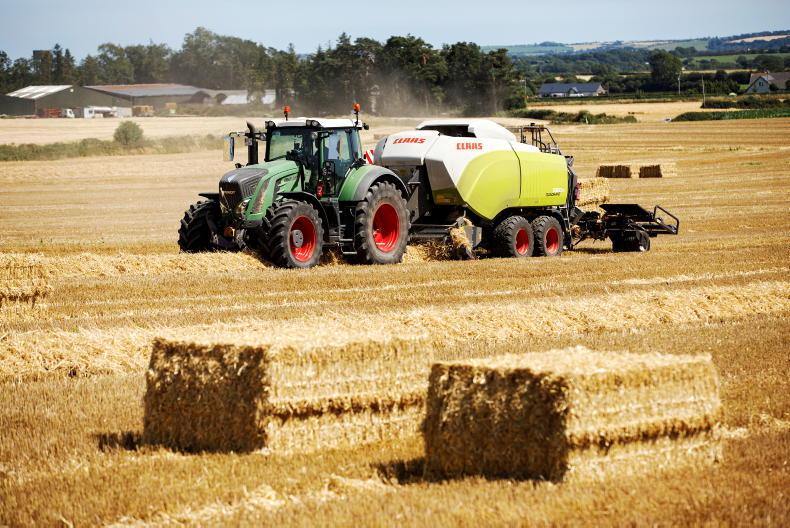
The price of straw varies dramatically across the country and is making anything from between €25 to €30 per 4x4 round bale delivered.
Manager of Peat Bed, Ross MacDonald said: “Historically, people seem to love or hate peat bedding but farmers are demanding way more of it this year.”
1. How much does it cost?
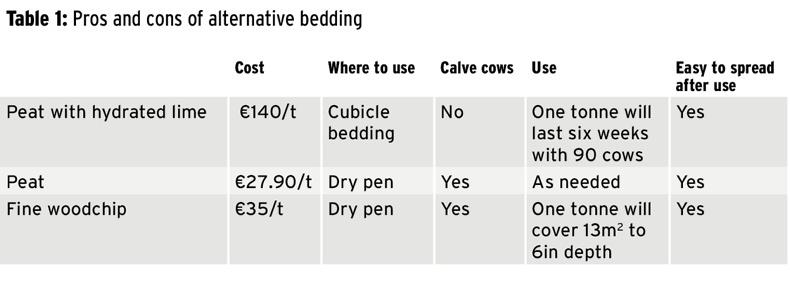
Peat Bed make a specialised peat and hydrated lime mix available in one tonne bags selling for €140 each.
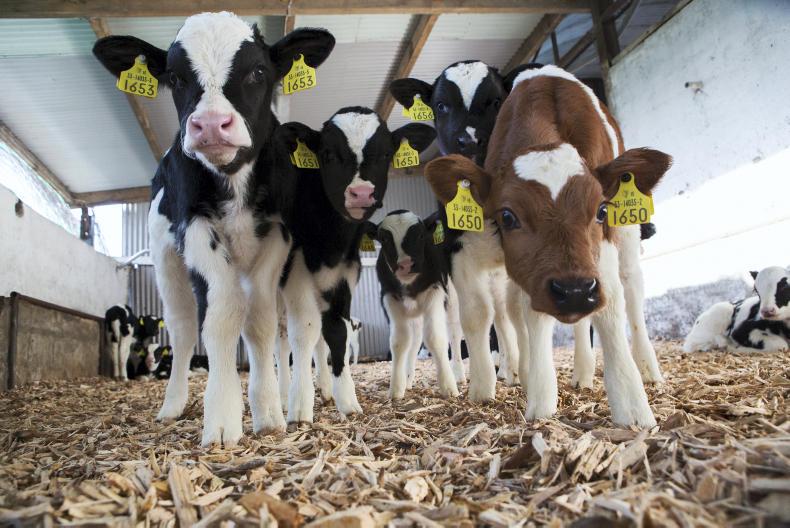
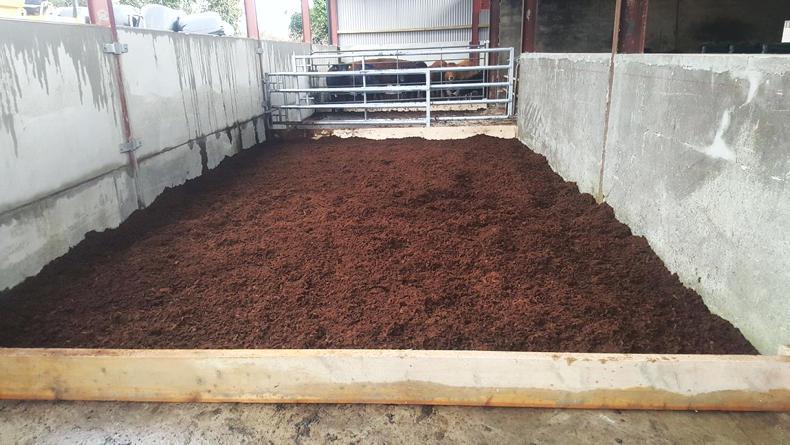
Bord na Móna sell traditional peat bedding from €27.90/t from their yard in Gilltown, Co Kildare. Connaught Timber sells a fine woodchip, lighter than the traditional chunky style for €35/t from their yard.
2. Where can you use it?
Peat Bed’s hydrated lime favoured by dairy farmers as its light and dust free, it’s primarily used for cubicle bedding on dairy farms.
Traditional peat and woodchip are usually used in dry pens.
3. Can you calve cows on it?
Although it is a personal choice for all farmers, you can calve cows on woodchip and traditional peat. It’s not recommended to calve cows on peat mixed with hydrated lime, as the lime can irritate a young calf’s skin.
4. How much do you need to use?
Every farmer will require a different amount of bedding but as a rule of thumb, one tonne of peat and hydrated lime will last six weeks with 90 cows.
While one tonne of Connaught Timber’s fine woodchip will cover 13m² to a six inch depth. Traditional peat bedding can be used as required.
5. Is it easy to spread after use?
Both peat and woodchip can be spread in a muck spreader after use and, unlike straw, it does not need a period to rot down which means you can spread it immediately after winter housing.
Read more
Lakeland urges farmers to review fodder supplies
Feed sales rocket due to fodder shortage
Fodder fears spreading to more counties
Peat and woodchip companies are reporting a huge increase in demand for their stock this year and it’s thought that the lack of good quality straw on the market is responsible for part of this demand.
In the case of Peat Bed in Co Monaghan, they’ve reported a 100% increase in sales compared to this time last year.
The price of straw varies dramatically across the country and is making anything from between €25 to €30 per 4x4 round bale delivered.
Manager of Peat Bed, Ross MacDonald said: “Historically, people seem to love or hate peat bedding but farmers are demanding way more of it this year.”
1. How much does it cost?
Peat Bed make a specialised peat and hydrated lime mix available in one tonne bags selling for €140 each.
Bord na Móna sell traditional peat bedding from €27.90/t from their yard in Gilltown, Co Kildare. Connaught Timber sells a fine woodchip, lighter than the traditional chunky style for €35/t from their yard.
2. Where can you use it?
Peat Bed’s hydrated lime favoured by dairy farmers as its light and dust free, it’s primarily used for cubicle bedding on dairy farms.
Traditional peat and woodchip are usually used in dry pens.
3. Can you calve cows on it?
Although it is a personal choice for all farmers, you can calve cows on woodchip and traditional peat. It’s not recommended to calve cows on peat mixed with hydrated lime, as the lime can irritate a young calf’s skin.
4. How much do you need to use?
Every farmer will require a different amount of bedding but as a rule of thumb, one tonne of peat and hydrated lime will last six weeks with 90 cows.
While one tonne of Connaught Timber’s fine woodchip will cover 13m² to a six inch depth. Traditional peat bedding can be used as required.
5. Is it easy to spread after use?
Both peat and woodchip can be spread in a muck spreader after use and, unlike straw, it does not need a period to rot down which means you can spread it immediately after winter housing.
Read more
Lakeland urges farmers to review fodder supplies
Feed sales rocket due to fodder shortage
Fodder fears spreading to more counties








SHARING OPTIONS