The centre of economic influence appears to be returning east across Asia
ADVERTISEMENT
We live in a world where hardly a day goes by without escalating tension in one region or another, be it Ukraine, Syria, Iraq, or Nigeria. At the same time, many emerging economies are achieving sustained and rapid growth at unprecedented rates, while developed western economies still battle to get back to a stable growth track after the global financial crisis. Meanwhile, millions of newly affluent consumers are seeking greater freedom and democracy.
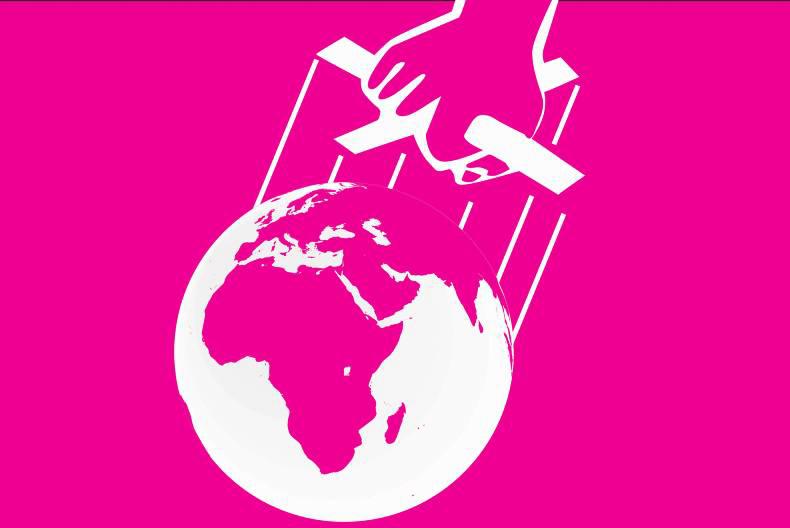
The centre of economic influence appears to be returning east across Asia. With this shift, the effectiveness of global institutions that were created after the second world war is being challenged, as their structures are no longer aligned with the geopolitical influence countries and regions can exert in 2015. Globalisation is raising issues that are no longer defined by geographical boundaries of countries, and consequently require new regional responses to regulation. This is a challenge that old world structures are struggling to meet.
The global status quo we have lived with for decades is coming under increasing pressure due to the emergence of new developed economies, regional and religious tensions, and the long-term impact of the global financial crisis. The world needs to create new structures and institutions to equip it to handle these new problems, and deliver greater security and certainty to communities across the globe.
ADVERTISEMENT
Read more from this year's KPMG/Irish Farmers Journal Agribusiness report here.
Register for free to read this story and our free stories.
This content is available to digital subscribers and loyalty code users only. Sign in to your account, use the code or subscribe to get unlimited access.
The reader loyalty code gives you full access to the site from when you enter it until the following Wednesday at 9pm. Find your unique code on the back page of Irish Country Living every week.
CODE ACCEPTED
You have full access to the site until next Wednesday at 9pm.
CODE NOT VALID
Please try again or contact support.
We live in a world where hardly a day goes by without escalating tension in one region or another, be it Ukraine, Syria, Iraq, or Nigeria. At the same time, many emerging economies are achieving sustained and rapid growth at unprecedented rates, while developed western economies still battle to get back to a stable growth track after the global financial crisis. Meanwhile, millions of newly affluent consumers are seeking greater freedom and democracy.
The centre of economic influence appears to be returning east across Asia. With this shift, the effectiveness of global institutions that were created after the second world war is being challenged, as their structures are no longer aligned with the geopolitical influence countries and regions can exert in 2015. Globalisation is raising issues that are no longer defined by geographical boundaries of countries, and consequently require new regional responses to regulation. This is a challenge that old world structures are struggling to meet.
The global status quo we have lived with for decades is coming under increasing pressure due to the emergence of new developed economies, regional and religious tensions, and the long-term impact of the global financial crisis. The world needs to create new structures and institutions to equip it to handle these new problems, and deliver greater security and certainty to communities across the globe.
Read more from this year's KPMG/Irish Farmers Journal Agribusiness report here.
If you would like to speak to a member of our team, please call us on 01-4199525.
Link sent to your email address
We have sent an email to your address. Please click on the link in this email to reset your password. If you can't find it in your inbox, please check your spam folder. If you can't find the email, please call us on 01-4199525.
ENTER YOUR LOYALTY CODE:
The reader loyalty code gives you full access to the site from when you enter it until the following Wednesday at 9pm. Find your unique code on the back page of Irish Country Living every week.






SHARING OPTIONS