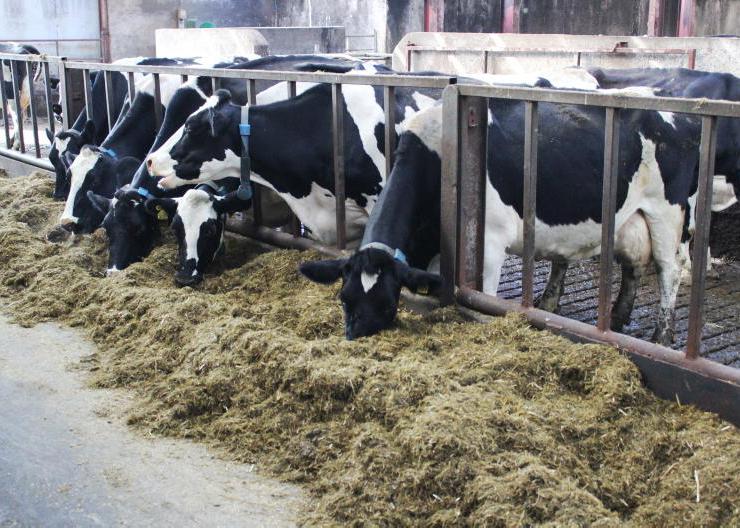
With calving commencing this week on spring-calving farms up and down the country, the Irish Farmers Journal has compiled a list of the key health problems to be vigilant of this spring.
From milk fever to mastitis and everything in between, the calving season is the most stressful time of the year for cows.
Over the space of a couple of days, a cow will go from spending the majority of the day lying down and feeding to calving, milkings, long walks and diet changes.
All of this can add up and culminate in a breakdown of the animal’s immune system in a range of different ways.
1. Milk fever
One of the most common metabolic disorders in cows post-calving, milk fever is something every farm will have contended with at some stage.
After calving the cow comes into milk and suddenly there is a massive demand for calcium in that cow’s system.
She cannot mobilise her calcium reserves quick enough and with that, blood calcium levels fall rapidly. This makes the cow weak and hence the reason she falls and can’t get up. If this ‘downer’ period lasts for too long before treatment, that cow will most likely die.
The downer cow is a clinical case, meaning she is showing the physical signs of milk fever. However, subclinical milk fever affects over 50% of cows in their second lactation or older and the symptoms of this are much more difficult to identify.
Subclinical milk fever has a knock-on effect leading to a range of other health problems like mastitis, retained placentas, reduced feed intake, etc.
Magnesium is the key mineral for milk fever prevention and cows should be getting at least 22-25g per day during the dry period.
If it’s a 100g/cow feeding rate that’s a minimum of 22% magnesium content.
Vitamin D is another important component of preventing milk fever and there should be a high inclusion rate in the mineral bag.
Finally, dry cows should be getting silage that’s low in potassium (K). Tested silage should have less than 2.2% K.
2. Ketosis
Ketosis is another of the common metabolic issues in cows in the weeks post-calving. It’s caused by a cow being in a severe negative energy balance, meaning she is getting a lot less energy from her feed than she is using for milk production.
It’s a common problem in cows that are over fat with too high of a body condition score at calving.
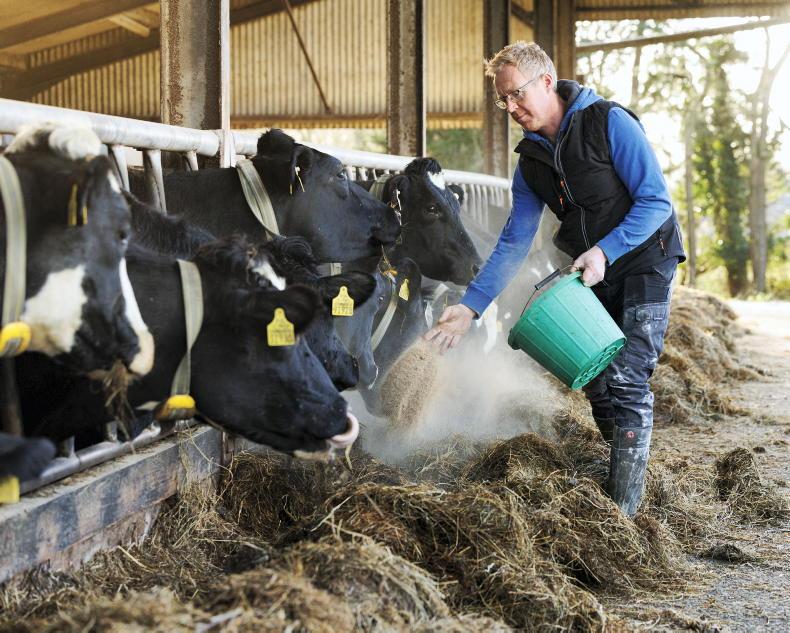
The fat is used to provide energy instead of carbohydrates and this causes a buildup of ketones in the blood. Ketosis can be more common in later calving cows as they are dry for longer and build up more fat.
Keep dry cow silage feeding levels lower in fat cows and aim to have them calving at a BCS between 3.0 and 3.5 for prevention.
The warning signs of ketosis are cows with a reduced appetite, drop in milk yield. They may also have a sweet smell off their breath caused by the ketones in the blood.
3. Sub-acute ruminal acidosis
Sub-acute ruminal acidosis (SARA) is typically more common than clinical acidosis in freshly calved cows.
During the transition period, cows’ diets experience a big change. If concentrate feeding levels are too high or there is not enough fibre in the diet, the cow’s rumen pH will drop and she may experience SARA.
While it’s less common in cows at grass, highly digestible swards with low covers can also bring on SARA, particularly in wet weather when passage rate of the grass in the digestive system is faster.
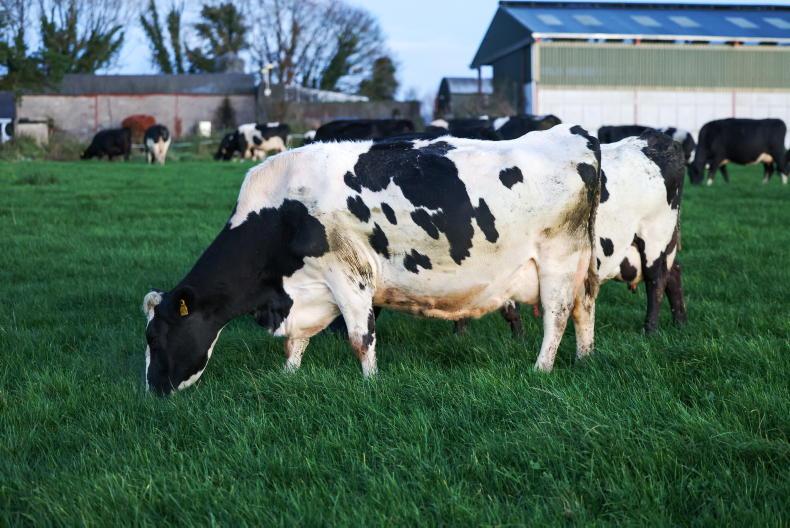
Cows experiencing SARA will be less likely to eat and milk fat percentages can drop significantly. As they’re eating less, the rumen will be filled with more gas and the chance of a displaced abomasum are much higher. To prevent acidosis, offer cows some fibre in the diet and make sure that concentrate levels aren’t too high or increasing rapidly after calving.
4. Retained placentas and metritis
Another issue caused by poor nutrient management is retained placentas. This occurs when a cow fails to expel the cleanings within 24 hours after calving.
When a cow fails to clean, there is a strong chance of that cow picking up a uterine infection like metritis. This will inevitably cause problems when it comes to breeding time as cows with metritis will be less likely to go back in calf.
It’s possible to treat retained placenta by removing the afterbirth manually but the real effort should be to prevent the issue in the first place.
Deficiencies in vitamins and minerals, like selenium and vitamin A, are the primary causes. Overly fat cows are also more likely to have a problem with retained placenta.
A good dry cow mineral should prevent problems with retained placentas. It’s also important to keep a focus on keeping BCS below 3.5.
5. Tetany
Grass tetany can be a silent killer on farms. Cows that look fine at milking are suddenly found dead in the field later that day.
Tetany is the result of cows being deficient in magnesium. Cows have a poor ability to store magnesium and therefore need to get it daily through their feed.
Lush spring grass that has grown rapidly will be low in magnesium and is a big factor in causing tetany. So too is wet and cold weather, with cows more at risk in these conditions.
To prevent tetany, cows will need access to magnesium through the meal, water system or in the form of a high magnesium lick bucket.
Offering cows some high-fibre feed like hay or straw can also reduce the risk as the highly digestible lush grass won’t pass through the system as quickly.
6. Mastitis
According to Animal Health Ireland (AHI), the two weeks pre-calving and the two weeks post-calving are the highest risk periods for mastitis infections to occur. This can be the critical time in determining the infection status of the cow for the rest of the year.
Cows are more susceptible after calving as their body is already under stress and immunity can be low.
To limit infections, prioritise a clean calving pen that’s bedded up regularly with clean straw. Calving on cubicles is a big no-no. Of course, it’s going to happen on occasion but it’s important to keep these instances to a minimum.
For cows that are straight out to grass, the risk of mastitis is higher if the animals are lying in wet paddocks that are poached and dirty.
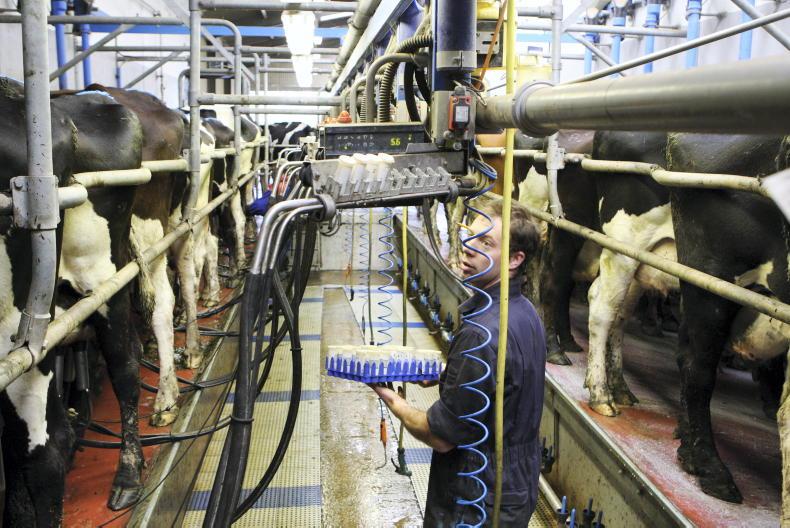
It’s worth investing a bit of extra time in teat preparation at this time of year, no matter how long the job list is.
An extra few minutes now can save lot of time and money later in the year.
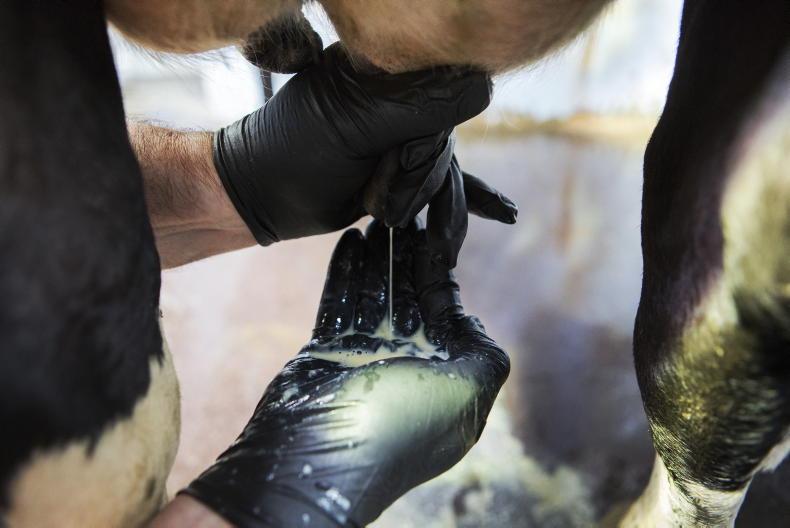
Don’t leave freshly calved cows dripping milk for hours, milk them as soon as possible and milk all cows out fully.
Identifying mastitis cases can be difficult when time is in short supply. Ideally, there would be two people milking in the spring but this is not the case on every farm.
Stripping the transition cows for four days after calving and checking for signs of swollen udders, hot quarters and milk clots will help reduce cases.
Grouping the transition group together and milking them separately has paid off for farms in the past and is an option that could be explored this spring. Doing so also helps prevent mix-ups with antibiotics going in the bulk tank from those cows who received a dry cow tube.
In each of the six health issues outlined, prevention trumps treatment.
Focus on keeping cows from getting over fat, particularly those that are later calving. Don’t take the eye off the ball when it comes to minerals and manage the transition diet with attention to detail.