



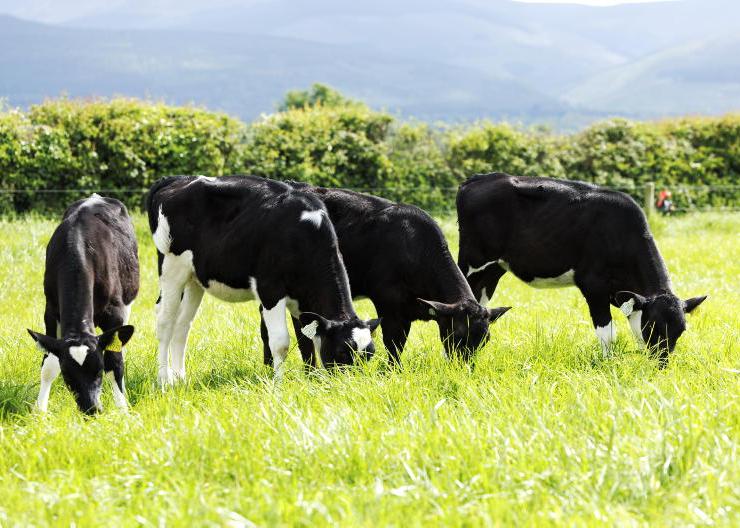
Dairy beef remains a popular enterprise on beef farms, either as a standalone business or a bolt on enterprise onto an existing farm enterprise.
There continues to be a lot of interest in the margins of the dairy beef system and with calf prices rocketing in 2025, it’s important to have a look at margins again.
A question that comes up every year from farmers is: what price can I pay for calves this spring?
There is a huge variation in quality out there and sometimes it’s hard to pick out good calves from bad ones at 2 weeks of age.
Figures and genetic indexes aren’t for everybody but the Commercial Beef Value (CBV) index should be factored into calf purchases aiming for high CBV indexes in the calves that you purchase.
In general, over the last few years the first calf sales always start off higher than where the market settles.
This generally happens early in the season with some beef farmers putting a particular value on an early calf.
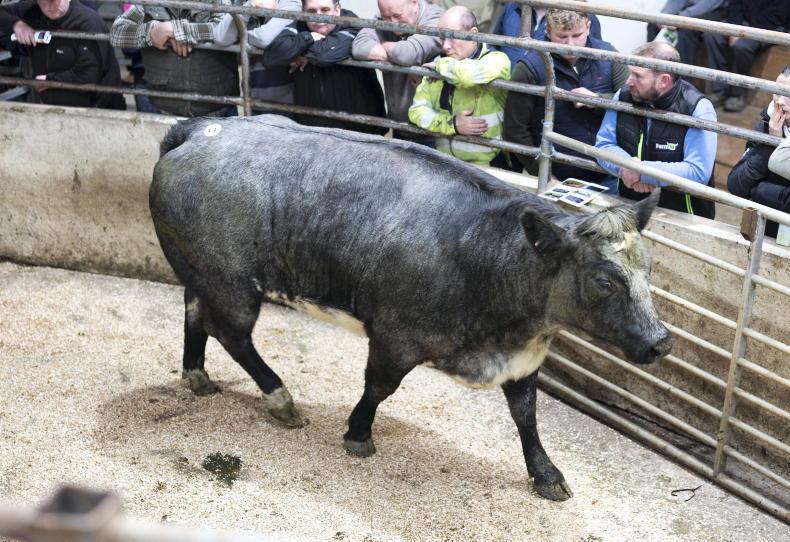
Paying big money for calves leaves it very hard for a margin to be left at the other side so exercise caution when you’re waving €50 bids at the auctioneer.
Huge numbers of calves will come on the market from the beginning of March onwards with the market adjusting to the supply and demand for calves very quickly.
That said it was actually the end of the 2025 calf trading season that some of the highest prices were seen for calves.
This was driven by a very buoyant export trade with exporters and farmers clashing for both young calves and reared calves.
This pushed dropped calves to over €600/head in some cases last May and reared calves hit new highs during the summer months with €1,200/head common during the summer and autumn for good quality spring 2025 born dairy beef calves.
When done well, a dairy calf-to-beef system can complement a suckler or sheep system quite well in terms of labour input and can help increase the overall farm output.
Most farmers that have tried the system have kept with it in recent times.
Some find the rearing phase quite hard on labour depending on the rearing setup.
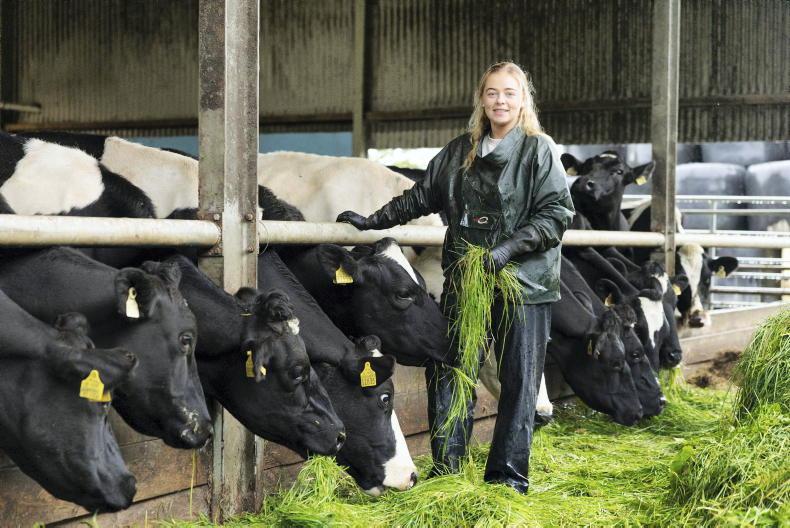
Some farmers who have a long-term plan to stick at dairy beef have invested in a calf rearing machine.
This obviously adds to set up costs and would have to be factored into calf rearing costs over a number of years but for time poor part-time farmers with little help at home, it is an option that can cut out a lot of labour in the mornings and evenings.
It doesn’t matter what your rearing system is, it’s still important to take a good look at your figures.
Past performance will be a good indicator of where your costs are and what the animals’ weight gains will be like.
Sitting down and doing out a budget simply must be step number one this year. If you plan to invest money into these animals and bring them through to slaughter, you will be looking at them for at least the next 18 months to two years.
That is a long time to have money tied up in a system so you need to know if you will get a return on your investment. While we cannot predict what the price of beef will be when these animals come to the point of slaughter, we can figure out what price we will require to make a margin by adding up all our input costs.
Be realistic in your costings. If your winter period is typically six months then there is no point in costing it in for four in the hopes of favourable grazing condition this autumn and spring next year.
Likewise with daily liveweight gain targets – we may aim for doing 1.2kg/day at grass, but in reality, even with very good grassland management, these types of stock are doing very well if they grow in excess of a 1kg/day over an entire grazing season.
Grass is critical to any dairy beef system to maximise weight gains but it’s really important to the 19-20 month dairy beef heifer system to maximise margins.
Where the system has been in place on farm for the last few years, use your cattle’s performance figures to forecast costings for the year ahead.
Table 1 outlines a simple budget that can be completed on any farm this spring. All costs are on a per-head basis.
A number of calf prices have been included from €200/head to €700/head.
Poorer quality calves will have a reduced ability to put on weight so carcase weight targets could be a lot harder to hit with poorer quality calves.
Generally, farmers go a little more at the ringside in order to purchase good quality calves.
In terms of costs, calf rearing costs are broadly in line with costs in 2025.
There have been minor increases in calf milk replacer. Feeding meal to calves beyond the grazing season always generates discussion.
As part this week’s budget we have factored in 125kg for feeding at grass.
This would be targeted at the period when calves are turned out and also for the last few weeks of the grazing season in October and November.
The performance figures included are at the high end but achievable if management is good.
If it’s your first year rearing calves or if your farm has a heavy soil type, the performance figure should be amended back a little in line with expected turnout dates etc.
Coming into the shed at the end of the finishing period will also have a big affect on the margin achieved.
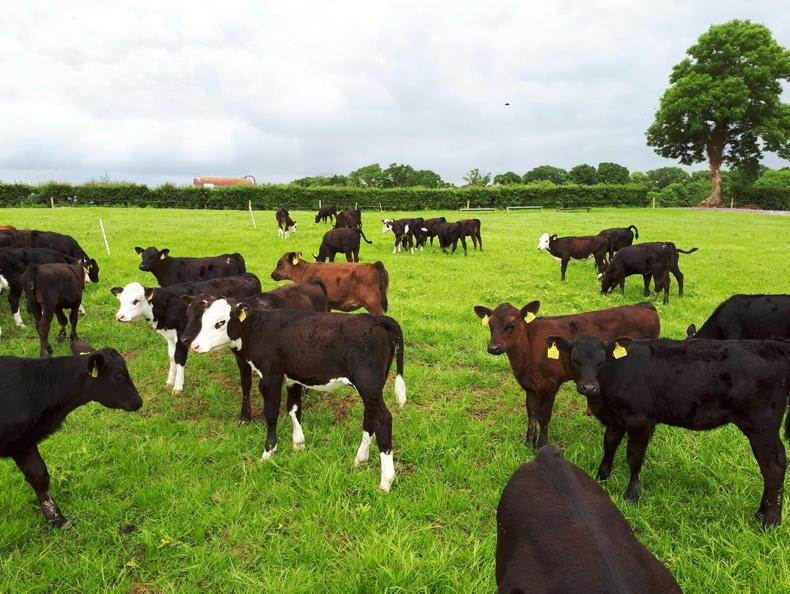
Finishing costs indoors can spiral very quickly where an animal is on a high level of meal feeding.
A 500kg heifer eating 5kg of meal and ad-lb silage could be costing as much as €2.50-€3.00/day to feed so every month longer on the farm during the housing period means close to €100 less of a margin.
This will very quickly erode any gains made by finishing heifers off grass and farmers aiming to finish all heifers off grass should be factoring in a number of heifers.
A mortality figure of €40/head is included in the table. Farmers should include a mortality figure as unfortunately there will be some losses along the way and these need to be accounted for in the budget.
Well-run systems will be hitting less than 2% mortality but if it is your first time rearing calves, a 5% figure might be more realistic.
I was speaking to a dairy beef farmer last week about the previous 12 months and what was the plan for 2026.
The chat quickly got to calf price with the question on everybody’s mind as to where calf price will level out at in 2026.
The farmer’s words were “sure I’ll have to pay whatever they are making I suppose”.
A debate followed around what his policy should be on calf price. How much is too much? What happens if he doesn’t buy calves?
The first thing I advised him to do was to sit down and complete a budget like we have this week and work back from that as to what his desired margin is.
Unfortunately, we have no guarantee on beef price so caution needs to be exercised on paying very high prices for calves.
Two years ago when beef price was €5.50/kg and calves were €200/head, calf price made up 14% of the carcase value.
At €500/head, calf price is sitting closer to 26% of the carcase value in 2026 and that increased cost eats into a beef farmer’s margin.
Calf price and beef price are the two biggest determinants on margin in a dairy beef system so it’s important to know what you can pay for a calf and try and stick to that budget for the next two months.
We all know that factories won’t be sympathetic to expensive calves when it comes to base prices two years down the road.
It’s up to farmers to make informed decisions around purchasing cattle and that goes for purchasing calves as well. If the export market is paying more, let them off.



SHARING OPTIONS