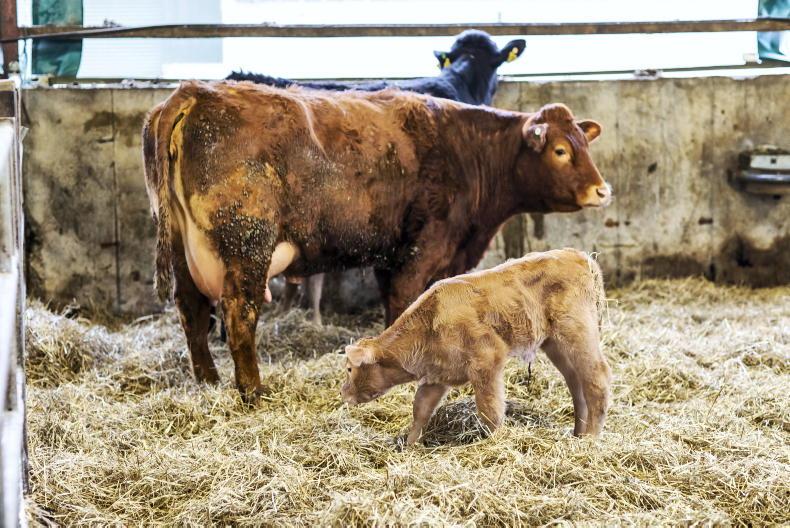
Calving on many of these farms often happens outdoors on paddocks close to the farmyard which is often much cleaner and has less disease pressure than indoor calving.
ADVERTISEMENT
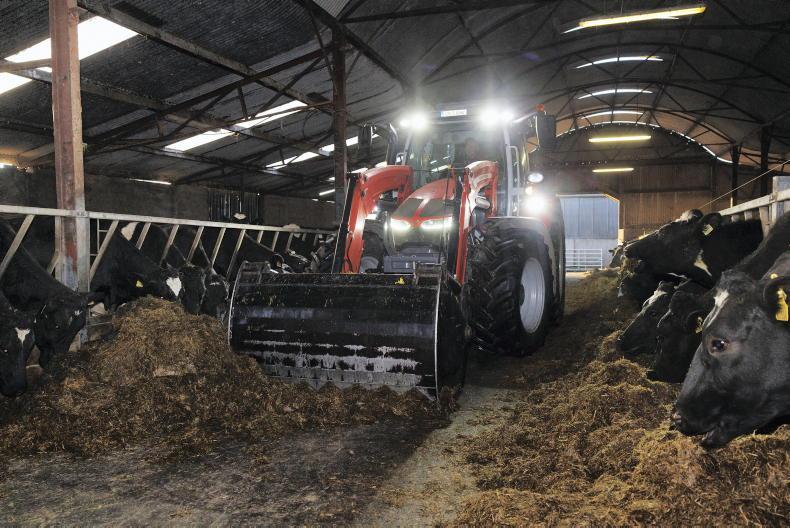
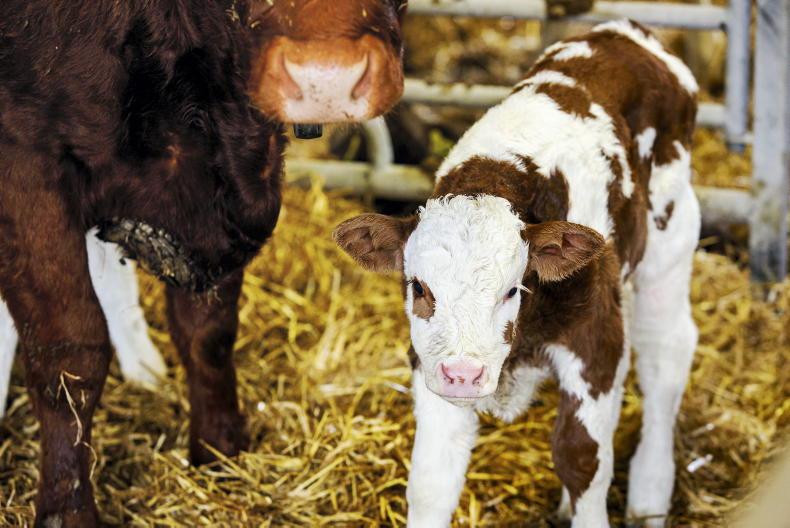
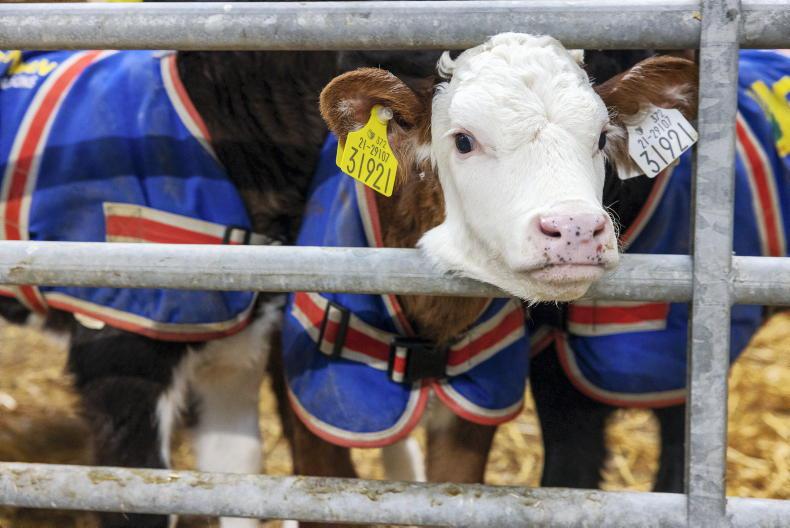
However, once stock come indoors disease pressure can build up so proper facilities are required to manage young calves and cows indoors.
Unless you are properly set up with facilities it can become laboursome and often dangerous.
All farmers need to stand back and look at why they are calving in winter and ensure that they get the return for the extra workload. Often, some justify the workload to allow them complete other tasks in the spring. Analyse the decision-making process for your farm.
The overriding message is to know what you can and cannot do and act early if you need help rather than leaving it to the last minute, when in fact it might be too late and difficult for the vet to intervene successfully.
At this particularly busy time for some farmers look after number one and think safety at every turn. The quietest of cows can be very protective at calving.
Register for free to read this story and our free stories.
This content is available to digital subscribers and loyalty code users only. Sign in to your account, use the code or subscribe to get unlimited access.
The reader loyalty code gives you full access to the site from when you enter it until the following Wednesday at 9pm. Find your unique code on the back page of Irish Country Living every week.
CODE ACCEPTED
You have full access to the site until next Wednesday at 9pm.
CODE NOT VALID
Please try again or contact support.
A proportion of beef and dairy farmers north and south of the border calve cows in the winter months for various reasons.
Calving on many of these farms often happens outdoors on paddocks close to the farmyard which is often much cleaner and has less disease pressure than indoor calving.
However, once stock come indoors disease pressure can build up so proper facilities are required to manage young calves and cows indoors.
Unless you are properly set up with facilities it can become laboursome and often dangerous.
All farmers need to stand back and look at why they are calving in winter and ensure that they get the return for the extra workload. Often, some justify the workload to allow them complete other tasks in the spring. Analyse the decision-making process for your farm.
The overriding message is to know what you can and cannot do and act early if you need help rather than leaving it to the last minute, when in fact it might be too late and difficult for the vet to intervene successfully.
At this particularly busy time for some farmers look after number one and think safety at every turn. The quietest of cows can be very protective at calving.
If you would like to speak to a member of our team, please call us on 01-4199525.
Link sent to your email address
We have sent an email to your address. Please click on the link in this email to reset your password. If you can't find it in your inbox, please check your spam folder. If you can't find the email, please call us on 01-4199525.
ENTER YOUR LOYALTY CODE:
The reader loyalty code gives you full access to the site from when you enter it until the following Wednesday at 9pm. Find your unique code on the back page of Irish Country Living every week.





SHARING OPTIONS