



Murphy Brothers from Portlaw is a name associated with agricultural contracting for over 40 years in Waterford and South Kilkenny. The business was started by Walter and Peggy in the 1970s has stood the test of time. The third generation is firmly established, under the ever-watchful eyes of John and Catherine Murphy. As the business developed all the brothers were involved at some stage, during the 1970s, 1980s, 1990s and 2000s.
John, Catherine and their sons Walter and James are the primary managers of the business now, with help from the other family members when it is needed.
Starting with a Leyland 272, spreading dung, baling hay and hauling grain were the first jobs, the family said. As the workload increased the machines got bigger. The first New Holland 1895 self-propelled silage harvester was bought in the early-1980s.
Murphy’s continued to use New Holland harvesters until 1997 when they moved to the Claas Jaguar 860, which was assisted with a Jaguar 840 in 1998. In 2003, the Jaguar 900 replaced the two harvesters for two reasons: the amount of labour needed for two silage crews and the acreage.
Listening to John Murphy and his two sons Walter and James, there is excitement in their voices when silage is the topic. There is also realism, as grass silage is a tough business for any contractor to make money from, especially in the wet, according to John.
The harvester, now in its 12th season, is overhauled every year. Walter, who drives it 99% of time, knows it like the back of his hand at this stage and is confident of the Jaguar every season.
This year, the decision was made to buy two Pottinger Jumbo silage wagons to make the family business more competitive in the market for second cut. Silage customers can now be quoted for either the self-propelled or the wagon.
John also knows that the quality of grass silage is so important to farmers that the crop has to cut at the right time. “The wagons should take some of the pressure off if the weather is about to break,” he said.
Challenges
Long draws are the killer, according to Walter, and it is happening as every bit of grass on some farms around the house is used for grazing. With the push on at the moment to increase their cow numbers, farmers have no choice. The trouble is that you can’t charge anything extra for long draws – the harvester is waiting in the field, staff have to be paid and the machine is nowhere near its maximum output.
John’s wife Catherine, who looks after the accounts and keeps the funds in order, believes that paying for silage by the tonne is the fairest solution going forward, as the costs of harvesting wet grass and dry grass are completely different.
John and the family are very grateful for the loyalty of their staff over the years. “They know our customers really well and the fields they have,” according to John. “The lads give us an edge as there is no training needed and the experience is a guarantee the job will be done right,” he added.
The challenge for Murphy Brothers is to reward the loyalty of the staff by keeping work in front of them all year round. John makes a special mention of O’Shea’s in Piltown, the vegetable growers and distributors.
“It is a good fit. We are working together for years, and it extends our season. Harvesting and haulage of potatoes and carrots keeps us busy in the autumn and winter months. The setting of all the cereals for O’Shea’s and our other customers keeps the tractors with the ploughs and drills going after the harvest,” John said.
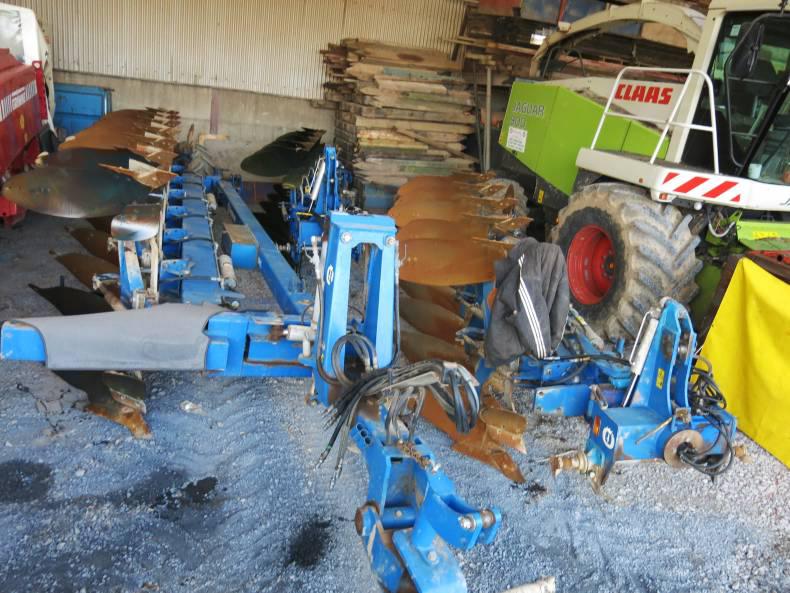
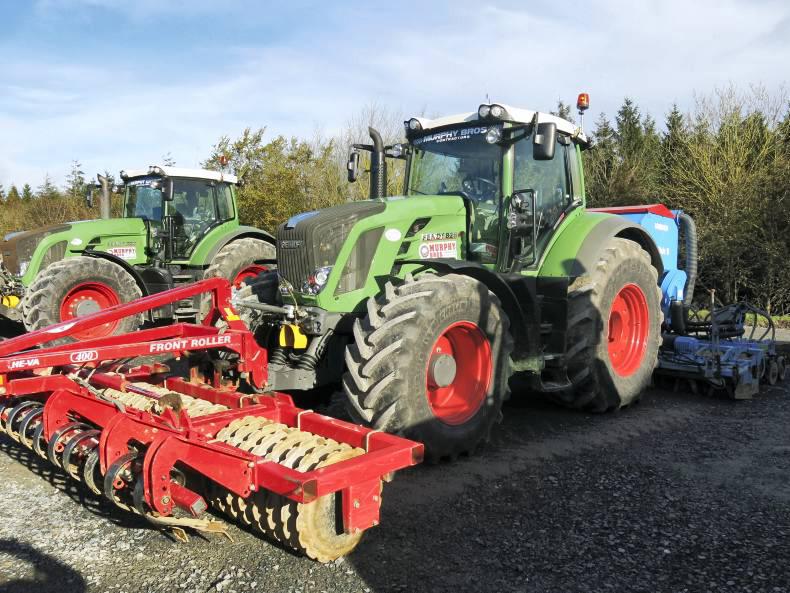
Murphy Brothers use a four-metre Lemken with a He-va front press for sowing. Overum ploughs have been used for many years. The haulage work is carried out with Dooley trailers, all of which are fitted with air brakes and moving towards ball and spoon hitches.
Murphy Brothers praise their customer loyalty too. “We know most of them since we started and are now dealing with the next generation,” said John. In 1990, Walter senior passed away, his son Walter got married, and John’s son Walter was born. “The next generation is up and running with us and our customers,” according to John.
Observing what is happening on farms now and then, John notices that the pressure and workload on the farms has increased. “Most of our customers are now working on their own, where years ago a couple of brothers would be involved,” he said. “The cost of living and the variable farm incomes have also meant that many farmer’s wives are working out of the home. This is different from when we started out, as they now provide the food for the staff 90% of the time when on the road, as there is no one at the farm home in a lot of cases, only the farmer.”
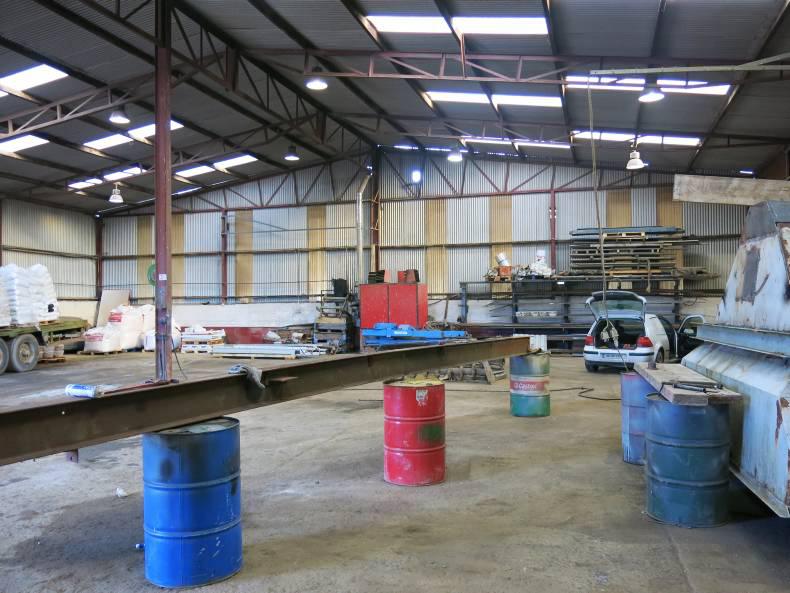
Workshop
Murphy Brothers run their workshop as a separate part of the business. All the jobs, repairs and replacements are charged to the contracting business. The reason for this is to keep a clear separation of the costs involved in every operation in the business. This method also keeps an account of the time spent on repairs. Maintenance is one area that can’t be skimped on, as each driver has their own tractor for a lot of the year. This gives the driver the responsibility of looking after the tractor and its servicing when it is needed.
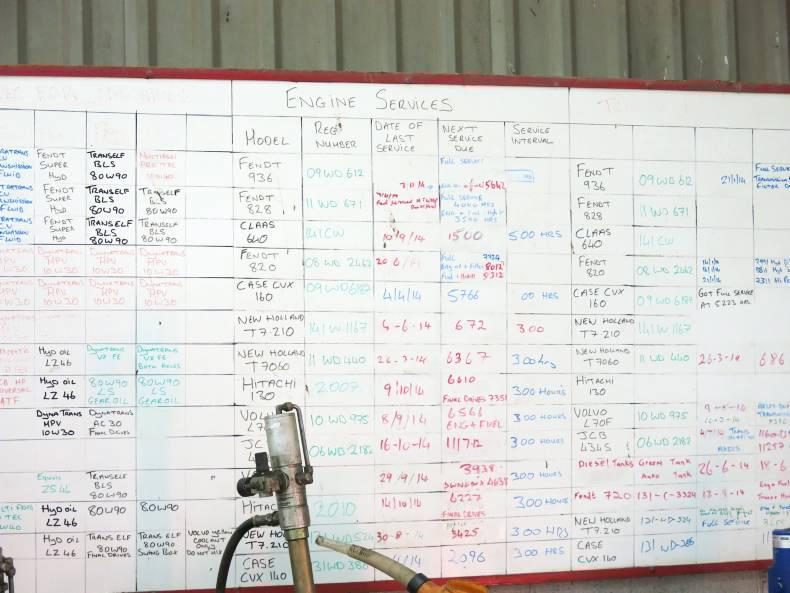
The board on the workshop wall displays all the oil specifications and the service interval for each tractor. There have been Fendt tractors with 15,000 hours and still going well, according to Walter. Safety in the workshop and in the field is a clear concern for the Murphy Brothers. The experience of the long-serving staff helps to reduce some of the risks involved.
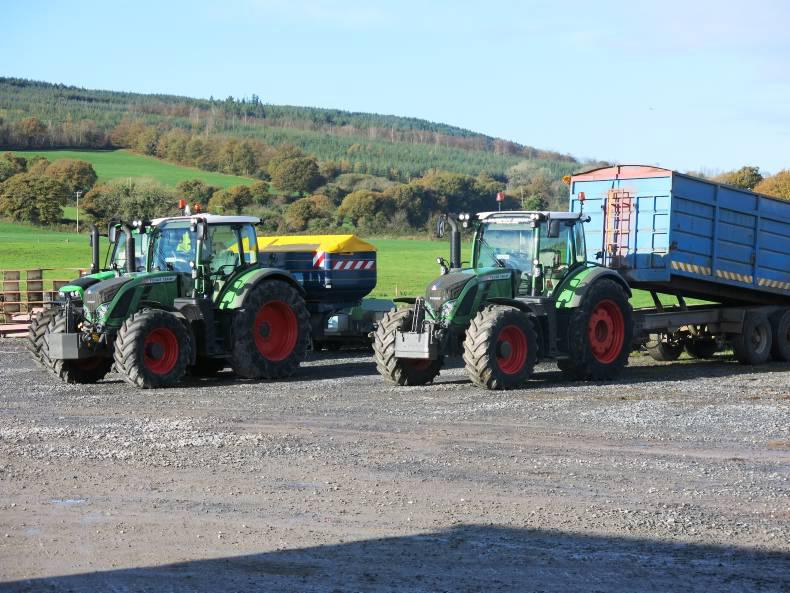
When it comes to tractors, there is a clear favourite in the yard. “The Fendt tractors have been very good to us over the years. The staff like to drive them and they are good on diesel,” said John. “Also, the Fendt suits the haulage and cultivation work,” he added.
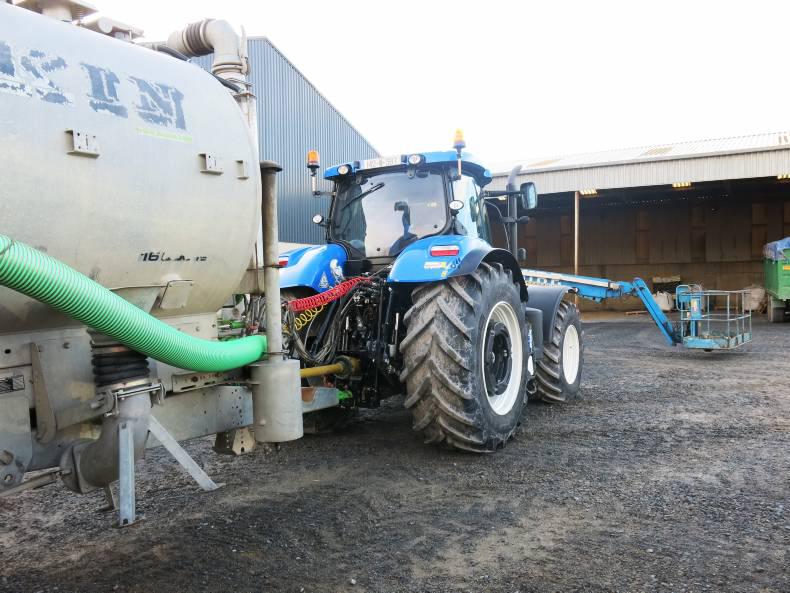
Along with the Fendt tractors, Murphy’s also have New Holland, Claas, Case, Valtra and Deutz. All tractors will give their share of trouble, according to John, “Luckily we are in a good area with good dealers for all the brands we have used, and the back-up has been excellent, which is important to keep us going,” said John.
Costs
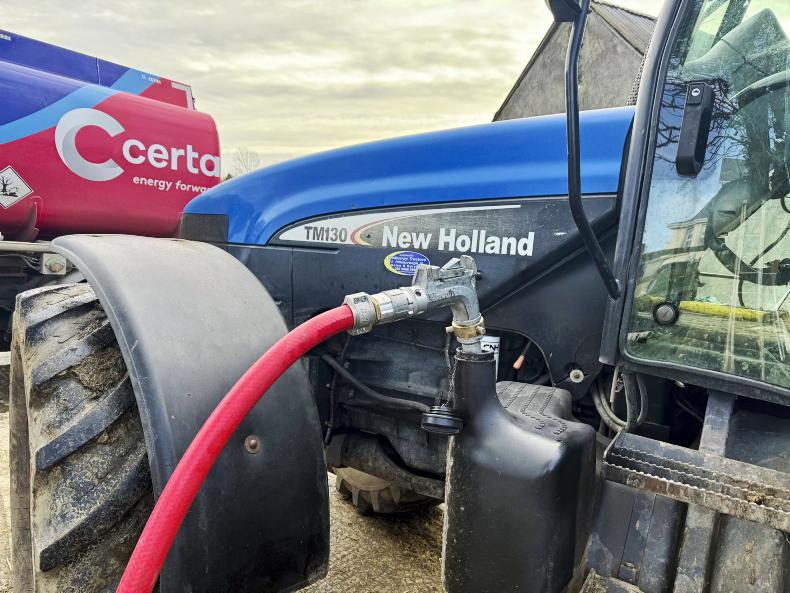
The one area of concern for the business is just how expensive renewals and spare parts are now. The costs involved from ten years ago have increased by between 30 and 40%. The diesel costs over the last few years, with a brief respite for the moment, have crippled cashflow.
Murphy Brothers are an exclusive contracting business with no farm land to back-up the business. This means that every single job must make a margin or it is costing the business. Catherine said that as the costs go up and the new machines get more expensive, and it is more difficult to create a viable margin for the business. The office in Murphy’s is as important as the workshop, as Catherine keeps an eye on cashflow, organises and books in jobs, and communicates with John, Walter and James regarding the jobs that are on.
Expanding the services offered
James has made the move into land reclamation. He has invested in a mulching head on the Volvo digger to allow him to remove vegetation and reduce the waste for the farmer. “Dairy farmers are trying to maximise every acre available to them and this machine is suited to that work,” according to James.
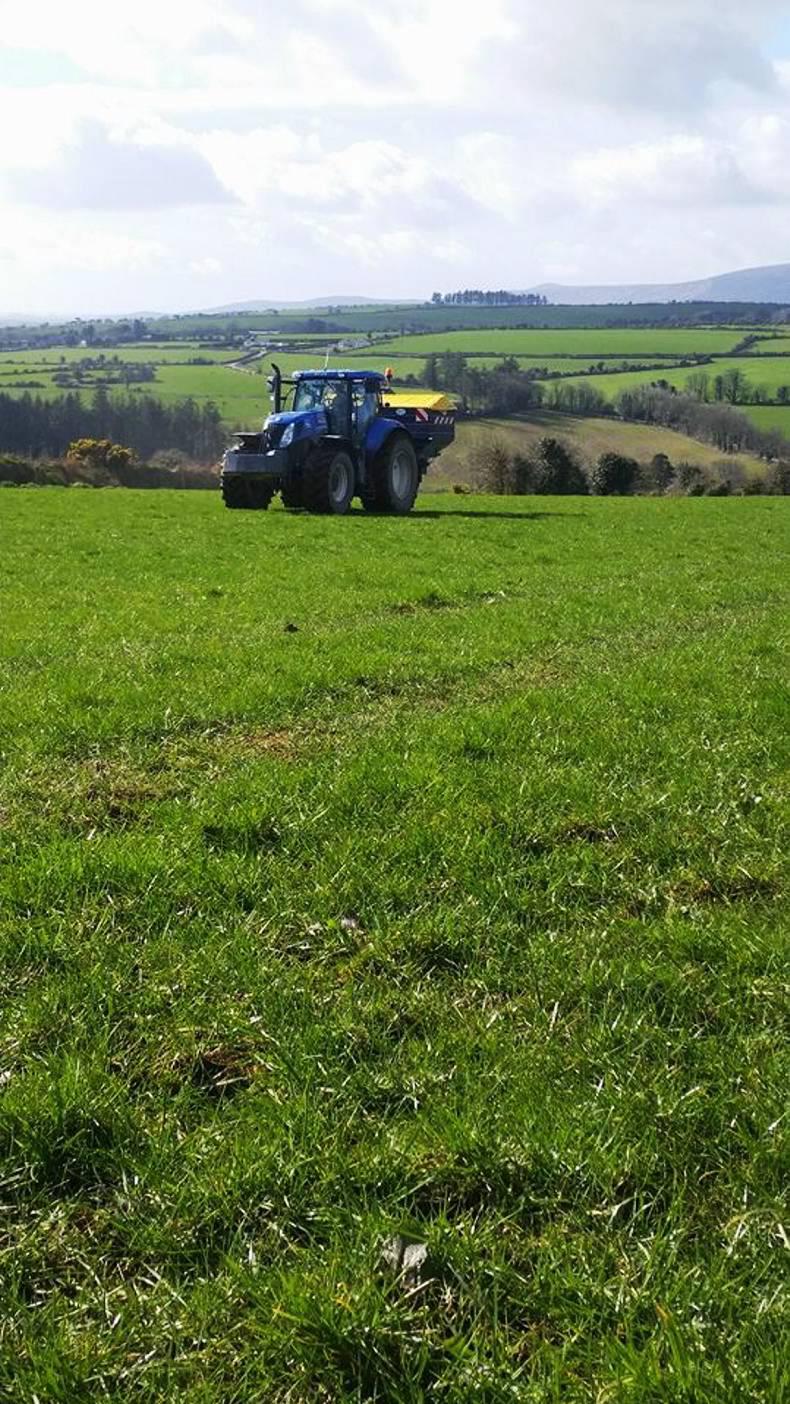
Another area the business is moving into is fertilizer application. This season they bought a Bogballe MW3 with full sectional control GPS auto steer. The tablet used to control the spreader can generate a map of the area spread for the farmer, and directly email the office to generate the invoice. “This will reduce the paperwork for the farmers and for us,” according to Walter.
“The option for a bulk trailer and a mounted fertilizer spreader is the system we are trying to achieve,” stated John. Quinn’s of Baltinglass work closely with them, and the service is available to all Murphy’s and Quinn’s customers in the area. Also on the cards is a feed delivery service, with a blower trailer set to join the fleet soon.
This family-run business is setting themselves up for the future generations, and the contractors may have a big role to play in shaping that for the farmers in the area.



SHARING OPTIONS