



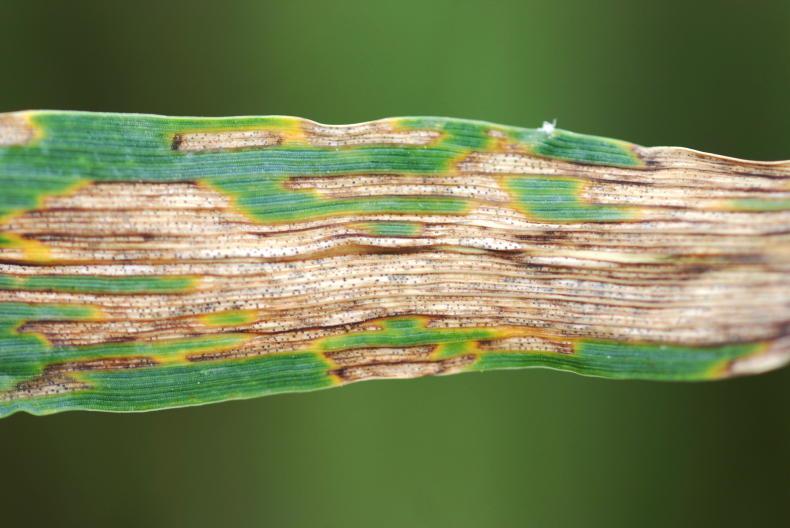
Steven Kildea and Deirdre Doyle will be displaying how varieties stand up against different disease at the upcoming Crops open day.
Why is this research important?
The management of cereal diseases is a critical agronomic component involved in cereal production under Irish growing conditions.
With a mild and damp climate dominating, diseases such as septoria tritici blotch in winter wheat and ramularia leaf spot in winter and spring barley thrive.
If left unchecked, these can cause significant reductions in grain yield and quality. It is essential to ensure that control measures taken reflect disease pressures experienced or anticipated.
Equally, they should utilise all available measures, with such approaches forming the basis of integrated pest management or IPM control strategies.
Choosing resistant varieties
While final yield will always be a major factor in the selection of a variety to be grown, it is important to also consider their different agronomic qualities, such as ability to resist disease.
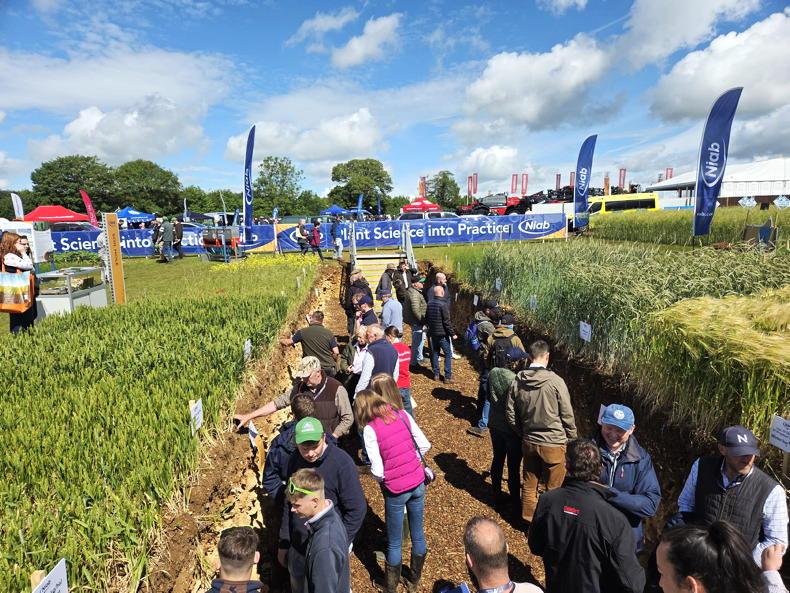
As the first line of defence, varietal resistance should form a key pillar in the development of IPM strategies. Although the availability of wheat varieties with high levels of septoria resistance or barley with ramularia resistance is limited, strong levels of resistance do exist to our other major diseases, eg yellow rust in winter wheat and rhynchosporium or net blotch in barley. If crops in a specific location have a history of such diseases then consideration should be given to selecting such resistant varieties. Varieties will be on display at the open day and disease levels can be viewed.
Agronomic decisions affecting disease levels
Even in the absence of strong levels of varietal resistance, such as the case with septoria, it is still possible to utilise the subtle differences that do exist.
Diseases such as septoria tend to overwinter on emerging winter crops. Therefore, the later a crop is sown in autumn, the lower the levels of disease that overwinter.
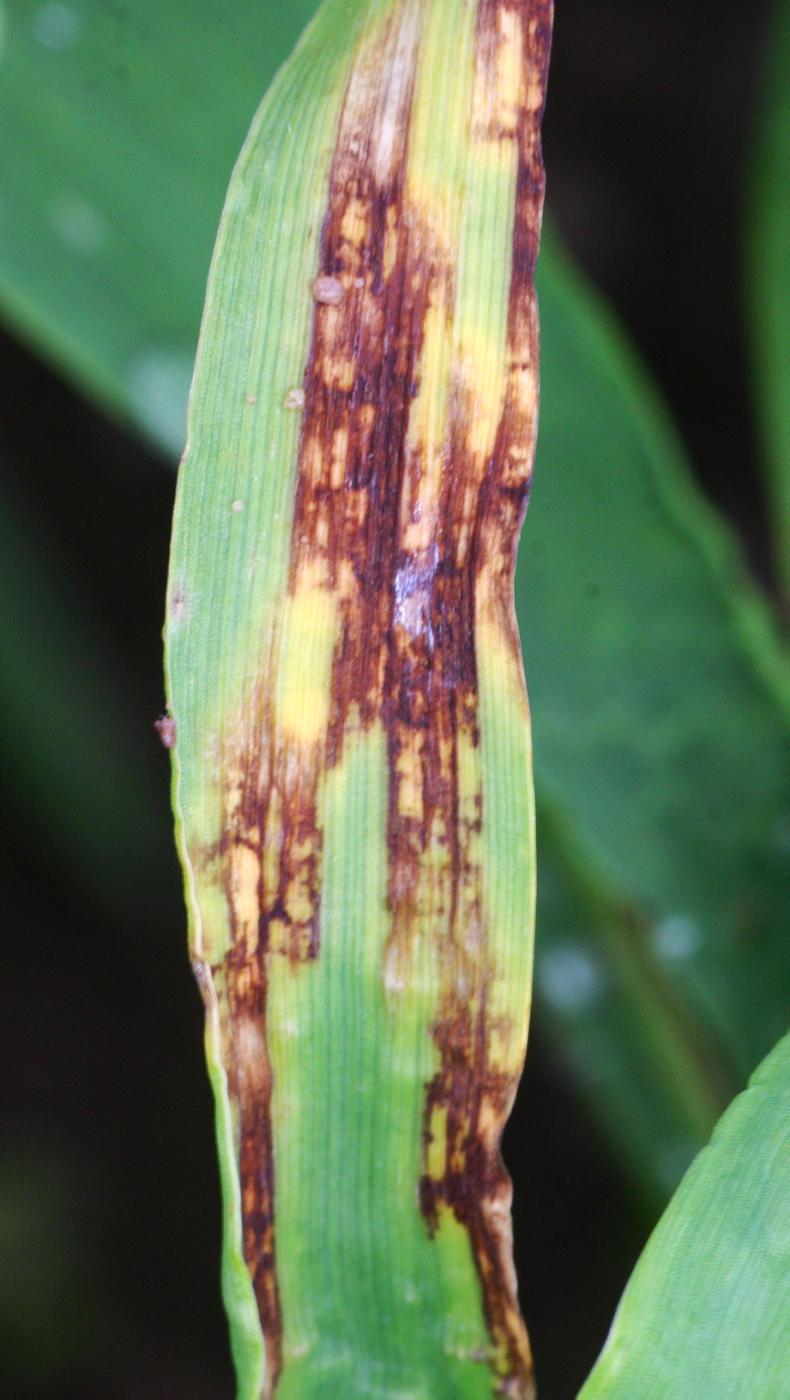
As a result, there will be less disease available to initiate epidemics in the following spring. How late it is possible to sow will of course depend on local conditions, including soil type and establishment system.
Equally, where a crop is sown can influence levels of disease, with crops that tend to stay wet due to low-lying mists or being sheltered likely to get more disease. Again, these are local factors that should be taken into consideration when selecting a crop/variety to be sown.
Selecting the appropriate fungicide and rate
Even with the aforementioned control measures implemented there is likely a requirement for the application of fungicides.
The choice of fungicide and rates at which it is applied must match the targeted disease and the anticipated disease pressures. In addition to ensuring the selected fungicide is effective against the target disease, their application must be targeted to maximise control potential.
The timing of fungicides in cereals is designed to ensure maximum protection of the upper canopy so as to safeguard those leaves critical to grain filling from infection.
You can check out different fungicides, rates and varieties and this year’s crops open day.



SHARING OPTIONS