



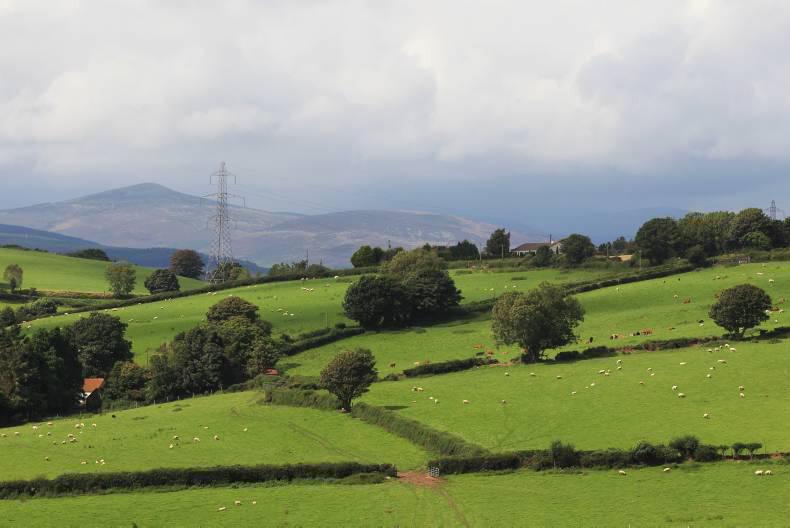
One of the old Irish adages about land is that the farm down the road will only come for sale once in a lifetime, so serious consideration has to be given to buying it when it comes up for sale. And while there’s merit to this thinking, it is worth keeping in mind there will always be more costs to buying, or indeed selling land, than simply the capital value of the asset.
Auctioneer’s fee
The first and most obvious cost involved for someone looking to sell land is the auctioneer’s fee. Like any service, the fee will vary from one auctioneer to the next but the rate the auctioneer gets will generally vary from 1.5% to 2% of the selling price.
Most people will have an auctioneer in mind when preparing to sell but it is worth keeping in mind the type of selling campaign an auctioneer will run for you in terms of advertising, sounding out potential customers, seeking editorial about the farm, paying for better-quality photography of the property or even creating video footage.
Advertising
An advertising budget is usually agreed at the beginning of the selling campaign. Depending on the property, the auctioneer will generally insist on some form of print advertising, be it in the local or national press. The advertising budget will also include for sale boards, all printed brochures, any photography or video work, as well as any online advertising.
Solicitor’s fees
A solicitor is obliged to write to clients in advance of carrying out any work setting out information about fees and outlay. In conveyancing transactions (property sales) the same solicitor cannot act for both parties and the transferor (seller) and transferee (buyer) should obtain independent legal advice.
However, the bulk of the work will fall to the solicitor for the seller and, accordingly, legal costs for the buyer should be lower. While traditionally solicitors tended to charge on the basis of a percentage of the value of the assets being transferred, it is now more common for them to charge on a time spent basis.
Capital gains tax
Depending on your circumstance, capital gains taxation (CGT) will impact you differently. If you have farmed the land yourself for more than 10 years you can avail of retirement relief on the sale of the farm property once you are at least 55 years of age.
If you have previously leased out the property on a conacre agreement, the property is not eligible for CGT reliefs after 31 December 2016. It is important that farmers who have been letting land on conacre use this window if they are to dispose of a holding and still qualify for CGT reliefs. There are other issues around thresholds and relief rules that your solicitor should be able to advise further on.
Other costs
Additional costs which a prospective seller needs to be aware of include renting a hotel or meeting room to hold a public auction as well as any remedial works needed on the property in the lead-up to the sale to make it presentable.
Banks may charge you for their own solicitor’s fees but the financial institutions tend to waive these in an effort to attract business.
Legal fees
Aside from the obvious cost of finance, buyers should also be aware of the additional costs they are likely to be faced with.
The situation regarding solicitor’s fees is the same as that of the seller but, as noted previously, the fee incurred by the buyer should be lower.
Stamp duty
Stamp duty is payable on all property transactions but there are important differences to remember. All land purchases are subject to a stamp duty of 2% across the board. However, if you buy a farm that includes a residential property then the land and house will need to be valued separately with two different rates of stamp duty to be paid on each. The land and farm will be subject to the 2% rate while the residence will be subject to the residential stamp duty rate. The stamp duty rate on residential property is 1% on the first €1m and a 2% rate on anything thereafter if the residence is valued over €1m.
Land Registry fees
Buyers of a property are also subject to Land Registry fees which will usually be added to your legal fees as the solicitor will take care of this process. The fees payable will range from €400 up to €800 depending on the capital value of the purchased property.
Valuation
Additionally, prospective buyers may incur a surveyor’s fee if they choose to get a property valued. Some might even choose to have the soil tested before buying.
A comprehensive breakdown of agricultural land prices in each county and is available exclusively inside the Irish Farmers Journal newspaper from Thursday 10 March 2016, as well as online for digital paid subscribers at www.farmersjournal.ie. Don't miss this FREE 72-page guide to agricultural land prices across Ireland!



SHARING OPTIONS