



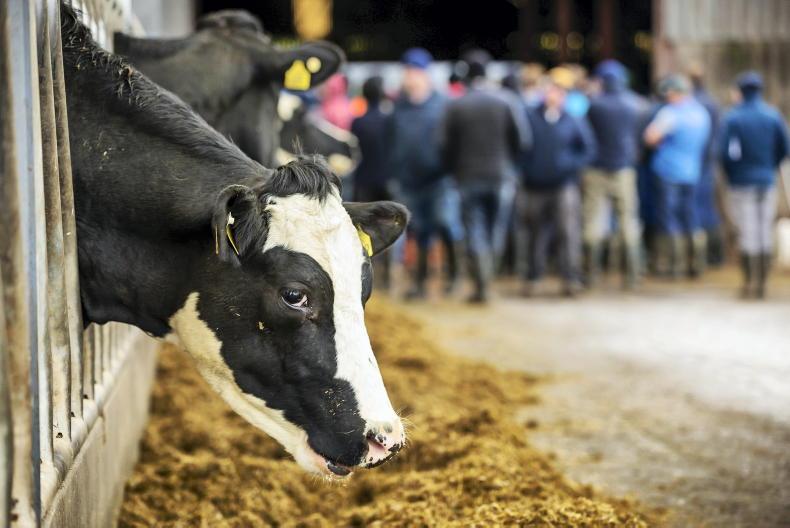
The slump in dairy commodity prices is coming at the wrong time for winter milk producers, as many face into the peak period of milk production.
There has been a raft of milk price reductions across all of the co-ops for August milk, with more milk price cuts expected over the coming months. The timing couldn’t be worse for those specialist winter milk producers, who endure extra cost and labour calving cows and milking cows across the high-cost winter months.
As revealed in our interview with Henry Dunne, chair of IFA liquid milk committee on pages 46 and 47, IFA is looking for a renewal of the existing liquid milk bonuses for this winter.
These bonuses are a lifeline to producers and help to cover some of the extra costs associated with winter milk. But as the base price for manufacturing milk comes down, so does the milk price for liquid milk producers, something Henry described as very worrying.
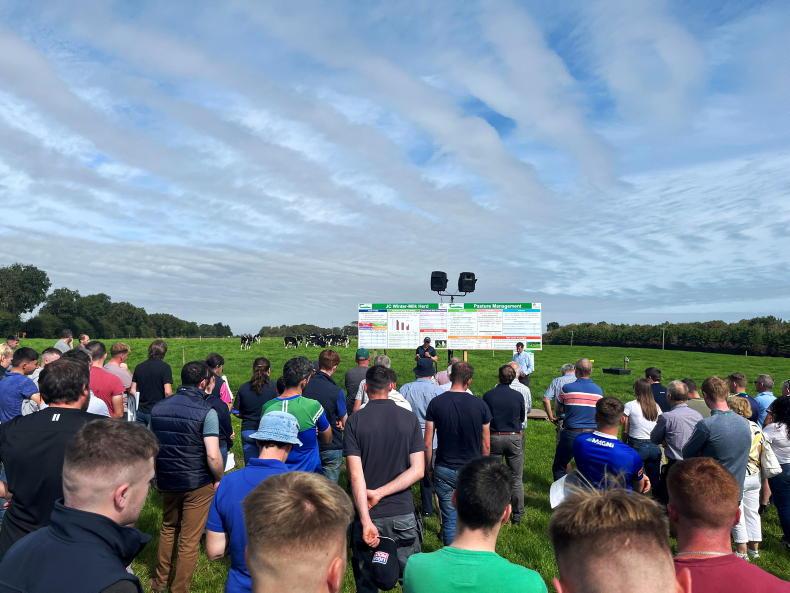
Elsewhere, on pages 48 and 49, Daire Cregg reports from the Eivers farm in Co Meath where Teagasc held a winter milk open day earlier this week. The key message from that walk was the importance of good genetics both in terms of milk solids and fertility.
The Eivers are benefitting from this, with a high level of output per cow combined with good fertility leading to two compact calving periods.
As Daire says, perhaps reducing the level of meal feeding would reduce costs and improve grass utilisation. Finding that balance between production and efficiency is key for all systems but especially in liquid milk systems where margins are already tight.
Finally, as liquid milk farmers face into a busy period between calving, calf rearing, feeding and milking for the winter months, farm safety needs to be prioritised.
The winter months can be tough going as days are short and it can be sometimes hard to remain motivated. Eat well, sleep well, stay safe and enjoy the season.





SHARING OPTIONS