Rural Ireland has a distinct affinity for its livestock marts. In a time where rural isolation is an ever-increasing problem against an aging demographic of farmers, they are not only a trading centre to set prices for cattle and sheep, but also a hugely important weekly social outlet.
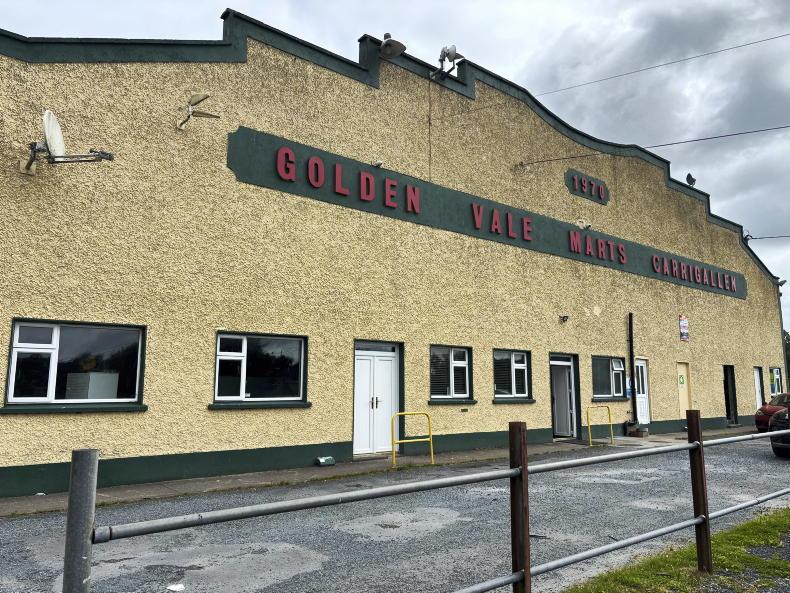
Carrigallen Mart is one of four of Golden Vale locations, and even though it is many miles from the Golden Vale and the Leitrim mart might not have the highest quality of land surrounding it, the quality of cattle more than makes up for it.
Carrigallen is 57 years on the go, and like many marts of that age, maintenance is constant, with smaller jobs and repairs carried out regularly.
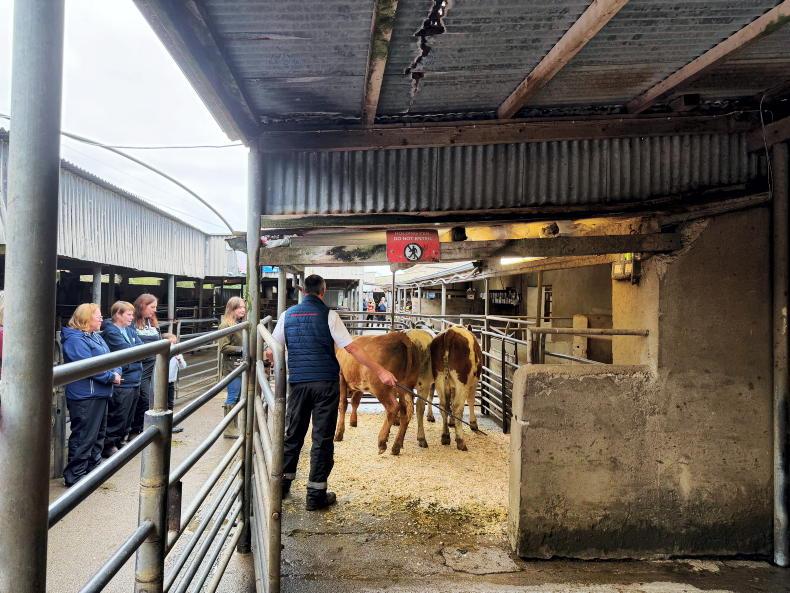
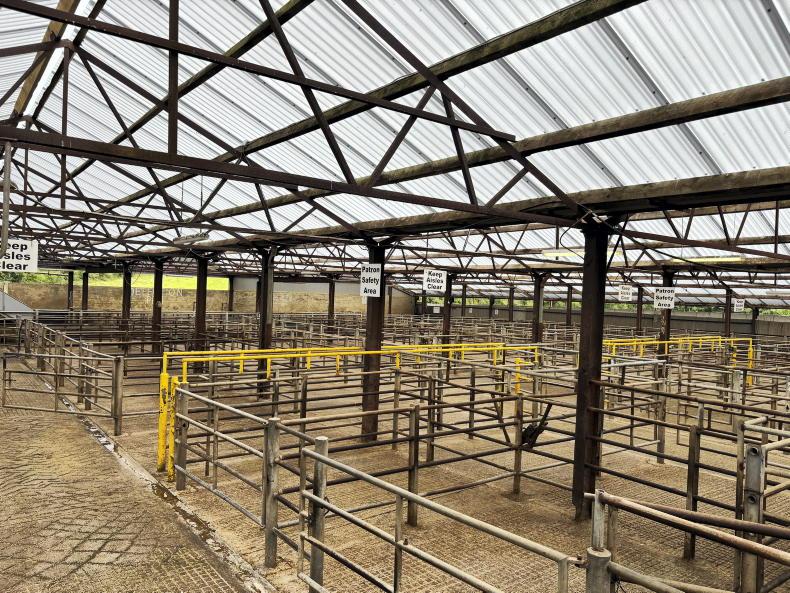
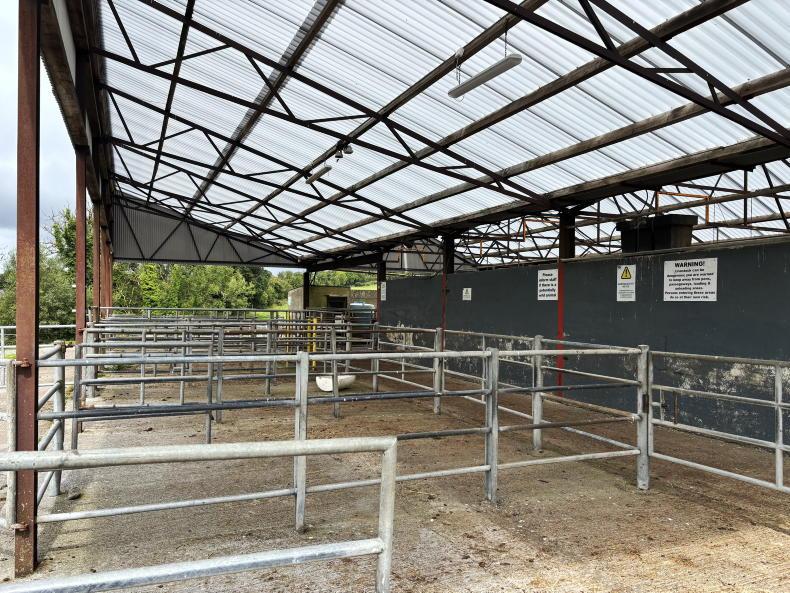
A more recent project was the re-roofing of the main cattle yard, intake and calf yard with translucent roof cladding, after storm damage and age finally took their toll.
Storm damage
Storms in spring 2025 caused damage to the asbestos roof cladding that was in-situ on the roof, with manager Helen Kells explaining: “In the main cattle yard, we had damage from recent storms to the asbestos sheeting that was in place. In the calf shed, it was more some minor leaks and some wear.” The roof trusses and timber were in good order throughout, but the asbestos cladding was the primary issue and a decision had to be made; repair or replace. With the sensitive nature of working with asbestos and the age profile of the buildings, it was decided to replace all the cladding with Heatguard sheeting.
“We were very with Jetwash here in Carrigallen, that they told us they were certified for asbestos removal, so they were the obvious choice to complete the work,” said Helen, adding that it was a challenge to try to get the work completed between sales, with obvious restrictions employed regarding completing the removal of asbestos and hosting the weekly cattle sale.
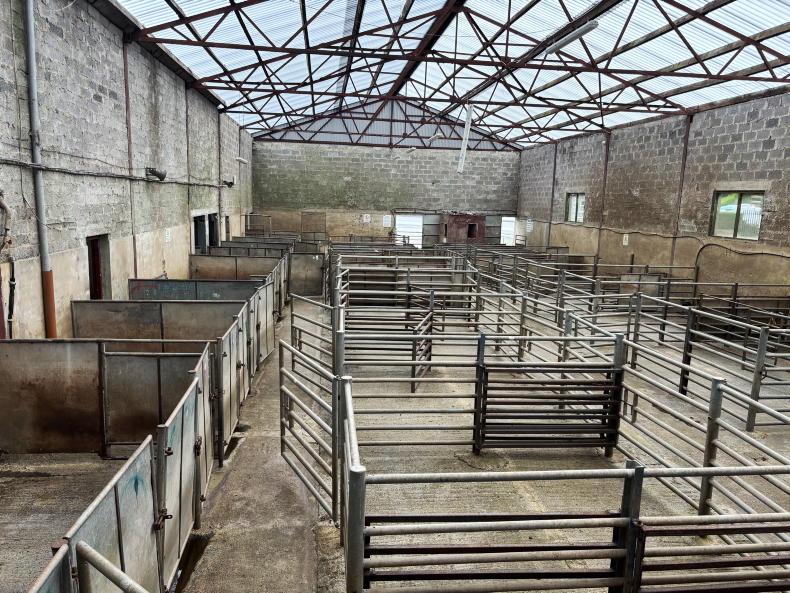
The majority of the timber was in good order, with just some of the purlins that had been exposed to water ingress requiring removal.
The angle iron steel trusses were in excellent shape, requiring no remedial work to be completed on them.
Essentially, all that had to be done was to replace the asbestos with Heatguard sheeting.
Why Heatguard?
Heatguard is becoming an increasingly popular choice with farmers, particularly in areas of the farm with high usage, eg the milking parlour. For Carrigallen Mart, it has meant that buyers have a clear view of the animals out in the yard before they hit the ring.
“Feedback from buyers and sellers has been really positive. We also find that we are not using the lights as much, as we just have so much natural light coming in through the Heatguard,’’ explained Helen.
Noise is something that can be off-putting with the clear sheeting, and walking through the calf yard with assistant manager Seamus Maguire, some creaking due to the sun popping out and causing the sheeting to expand could be heard.
“If you’re here ordinarily during the week, you will notice it, but the day of a mart there is so much other noise going on you can’t hear it at all,” noted Seamus.
Throughout the main cattle yard, no ridge capping has been installed, with a gap left at the top of the ridge to allow for warm stale air to exit. Gaps have been purposely left at the gable of some of the yard to increase the air inlet spacing, with ordinary steel cladding having been fitted on these. Heatguard sheeting is not generally used as side cladding.
Further investment
The mart is also further galvanising itself with some more future-proofing works. Solar panels are to be installed on other roofs sitting above the office space to help reduce the energy bills of the marts, while a back up generator is also set to be installed, with Helen noting the frequency of storms experienced in the winter months, when the mart is at it’s busiest, having put pressure on mart sales in the past.
“There were some incidents of special sales where we didn’t know if we would have to cancel or not due to power outages. We were lucky enough to get sorted at those stages, but having our own generator in place gives is surety that even if the power was to go, we can continue trading.”
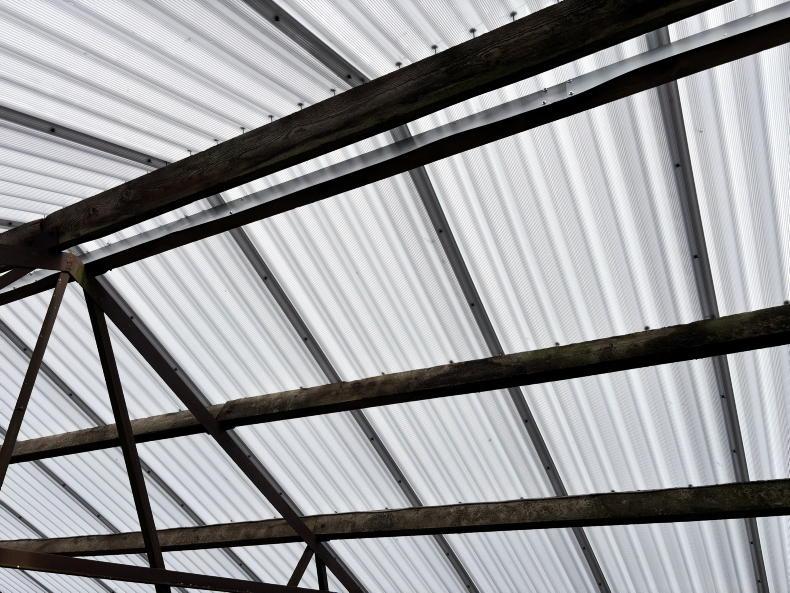
being replaced.
Mart outlook
Both Helen and Seamus noted that the drier, warm summer suited the rolling hills surrounding the mart, though there was some justified concern regarding the impact the drought would have on eastern buyers and the removal of Stena Line service for live exports of calves for next season.
“We had a super trade for calves this spring, with some Friesian bulls making upwards of €350/head for export.”
Exporters were also present at last Saturday’s weanling sale, the first special one of the season. The majority of bulls on offer sat between 300-400kg, with an average price paid of €5.35/kg with the top third trading at €5.93/kg. A smaller number of lighter bulls below 300kg averaged €6.14/kg, while bulls weighing between 400-450kg averaged €5.20/kg, with the top third averaging €5.64/kg. Forty-nine heavy bulls at over 450kg saw an average price paid of €4.66/kg, the top and bottom third of this weight bracket, making €5.10/kg and €4.20/kg respectively.
The mart is known for its high-quality weanlings, with its special show and sale of bulls taking place in the first Saturday of October, with the heifer show and sale taking place the following week.