



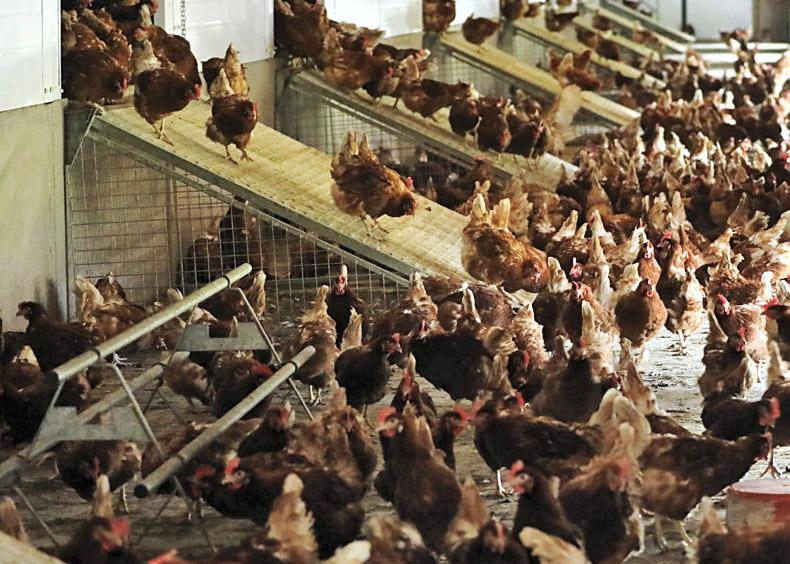
December is harvest month for turkey farmers. After almost 12 months of hard work the Christmas market is the time of year that nearly all poultry farmers aim their largest number of birds towards.
Devastating outbreaks of avian influenza over the last number of weeks have hit a number of poultry farms specialising in turkey production.
Our thoughts go out to those family farms who are dealing with the outbreaks on their farms and the issues around restocking and picking themselves back up from such a huge blow.
These farms are facing huge financial losses and, while poultry farmers who have to cull birds as a result of the recent bird flu outbreak will be compensated, it’s important that the Department of Agriculture moves fast in this regard.
The Animal Health and Welfare Act 2013 provides that compensation to owners of animals may be payable if a cull of those animals is directed by the Department of Agriculture.
The compensation may relate to the animal that is culled or to an animal product, animal feed or other items destroyed as part of the outbreak control measures.
The level of compensation is calculated based on the breed, the age, the number of animals culled and the open market value of the poultry or captive birds.

Inside this week’s poultry focus Phelim O’Neill talks to Bord Bia about poultry markets and what the outlook is like for 2026.
Teagasc poultry specialist Rebecca Tierney gives a comprehensive overview of what poultry farmers can do to avoid avian influenza hitting their farm.
The Department of Agriculture is urging all poultry and captive bird keepers to observe strict biosecurity and be vigilant for any signs of disease in their birds and to report same to the department via their local regional veterinary office.
Infection in the wild bird population is very difficult to manage, but we all must do our bit to keep this disease at bay.



SHARING OPTIONS