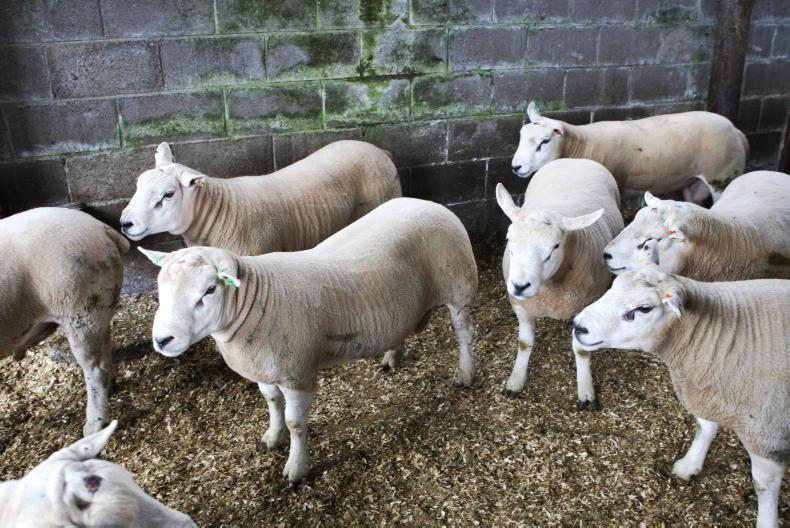
There have been a number of instances in recent weeks when temperatures have hit 30°C or higher.
The peak temperatures experienced could result in fertility issues, whereby a ram’s body temperature exceeded 40°C, even if only for a short period of time.
The same can be said of injuries or disease which cause a ram’s body temperature to spike.
It is not the treatment for such ailments that harms semen quality, as is often thought to be the case, but the spike in temperature.
As such, farmers operating early lamb production systems or breeding ewes in a synchronised breeding programme should take steps to preempt any potential problems and leave sufficient time to organise alternative arrangements.
Fertility test
Carrying out a fertility test in advance of breeding is advised where rams are required for use in the next six to eight weeks.
This is because semen used at breeding has been produced six to eight weeks earlier and, therefore, anything that has the ability to kill semen now, or has in recent weeks, will leave rams suffering from short-term fertility issues.
John McGee of Ram Testing Ireland also cautions that this should be borne in mind when assessing fertility in rams in the coming months.
“We often see rams tested at this time of year and being condemned due to poor-quality semen,” he says.
“However, it is important to note that this could be short term before condemning the ram. Testing at a later stage may tell a much different story.”
He is seeing some fertility issues in ram lambs that are being fed intensively with access to a shed and straw bedding. Deep straw bedding is likely to be contributing to the problem as testicles have no chance to cool. A better option is rams lying outdoors where there is plenty of shade or indoors with no bedding.
Ram management
When it comes to getting rams primed for pedigree breeding ahead of synchronised breeding or the collection of semen for artificial insemination, John says that it is a good idea to allow rams to mate with a couple of synchronised ewes that have been identified for culling or are not required for pedigree breeding.
This, he says, will help to flush out any lower-quality semen from the system. This should be carried out a week or 10 days in advance of when rams are required.
Nutrition and general ram fitness can also have an impact on breeding performance. Overweight rams will exhibit lower libido and will be less inclined to mate ewes on multiple occasions.
He cautions against joining rams too quickly with ewes post-sponge removal and says allowing a time period of up to 48 hours post-sponge removal works well.
Purchasing early
Purchasing rams early – and affording rams the maximum opportunity to acclimatise to their new environment before breeding – is also preferential. John advises that the most critical period with a newly purchased ram is the first 10 days after purchase. Implementing a good quarantine protocol is also important.
“The greatest challenge is where a ram is experiencing a massive change in diet and energy intake,” he says.
“The aim is to keep the rumen active during this period and this includes continuing to offer a level of concentrate”.
Beet pulp or oats works well, as it is a good source of energy and is a balanced fibre source that is not packed with protein. “A sudden change from an intensive diet to a ram being turned out to a grass paddock or, worse still, straight to ewes is often the reason we end up with so many fertility issues in newly purchased ram lambs.”
John also highlights the importance of taking account of the ram’s new environment and challenges such as a high challenge to coccidiosis which rams may not have faced before.
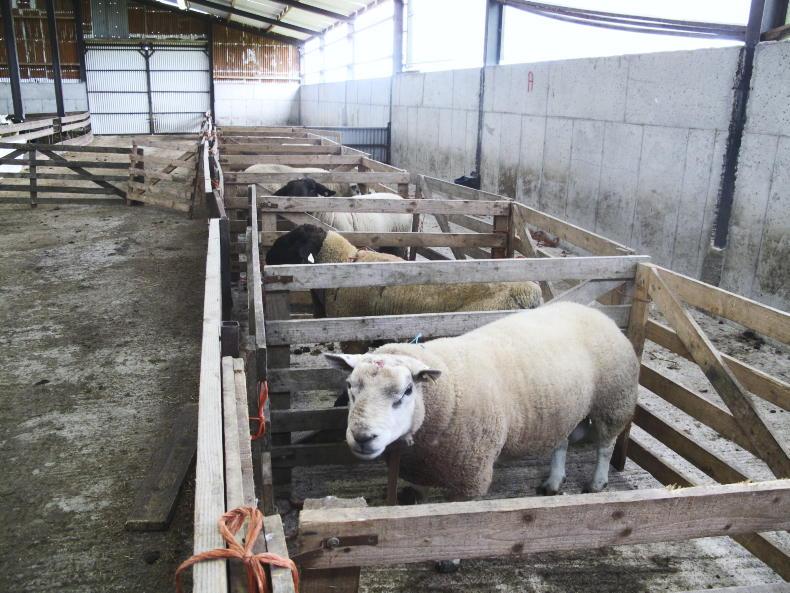
He says the most important aspect is to purchase early and, ideally, at least six to seven weeks before the breeding season begins. This will also allow rams to lose excessive weight and transition into a more suitable physique for breeding.
Sperm production
In terms of selecting rams for optimum sperm production, he adds that a scrotal circumference measurement can be used to assess breeding soundness.
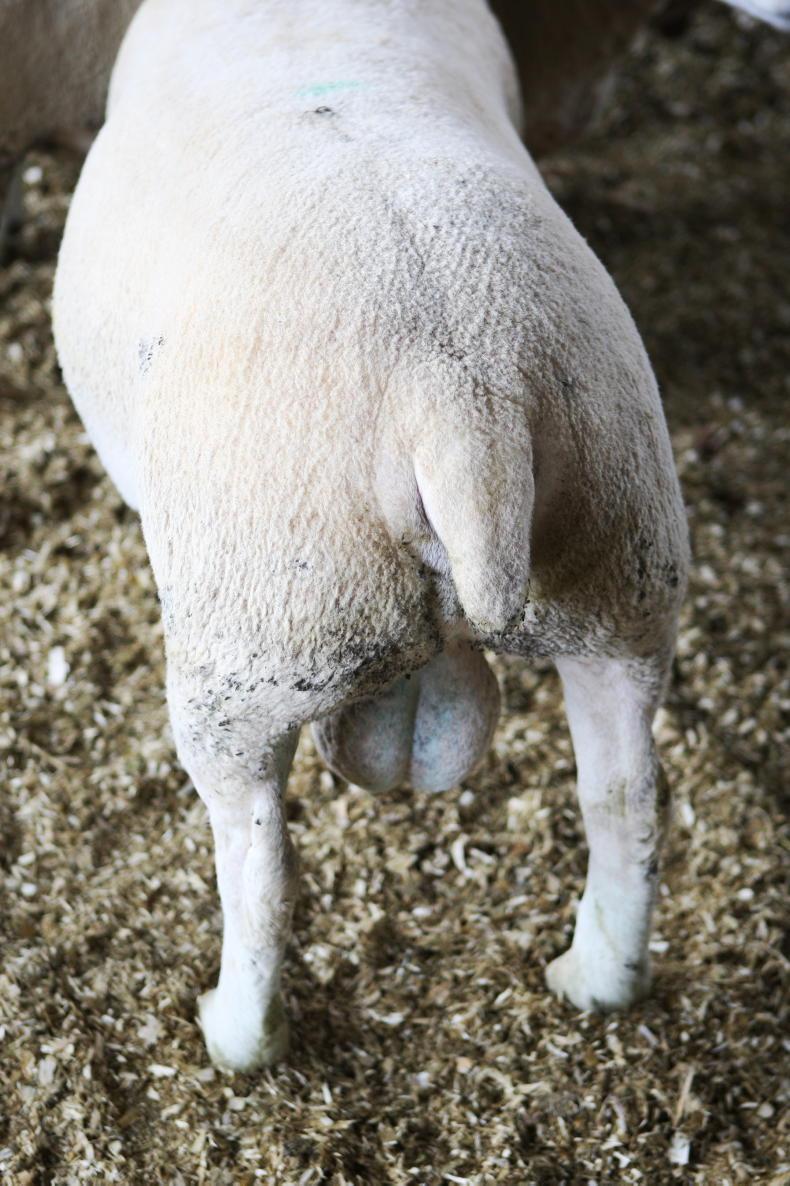
“The size of a ram’s testes is linked to sperm production,” he says. “Taking a measuring tape or using a piece of string or cord as an aid, measure the circumference of the testes at the widest part. The reading should be a minimum of 30cm, with a general range of 30cm to 36cm.”
Ewe management
The manner in which ewes are managed can also affect their reproductive performance.
John says the ideal situation is where ewes have been on a maintenance diet since weaning – or since purchase, possibly, in the case of hoggets – and are transferred on to a rising plane of nutrition in the weeks leading up to breeding.
He says that access to water is critical in current weather. The consequence of restricting water intake in the period post-mating is ewes being under greater stress and an increased risk of early embryonic death. Access to shade is also important.