


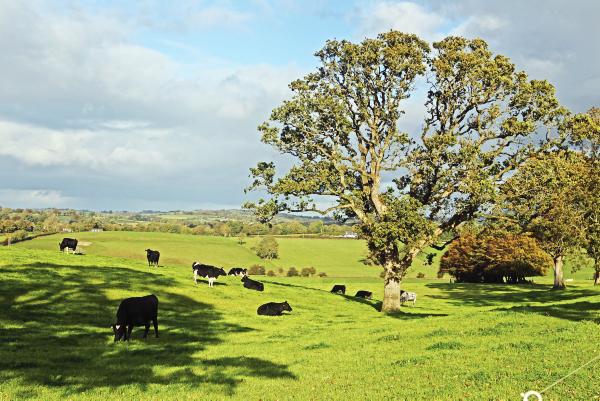
We are milking 125 cows on a 60ha grazing platform around the parlour. We have another 40ha of land for grass, maize silage and heifer rearing. This outside block will hopefully allow us carry up to 3 cows/ha (180 cows) on the grazing block after 2015.
Currently 45 cows calve in the autumn and 80 cows calve in the spring. Our liquid milk contract is 1,200 litres/day and we also have a winter milk contract, so we virtually sell no manufacturing milk from October to February. Overall 65% of my milk quota would be contracted milk.
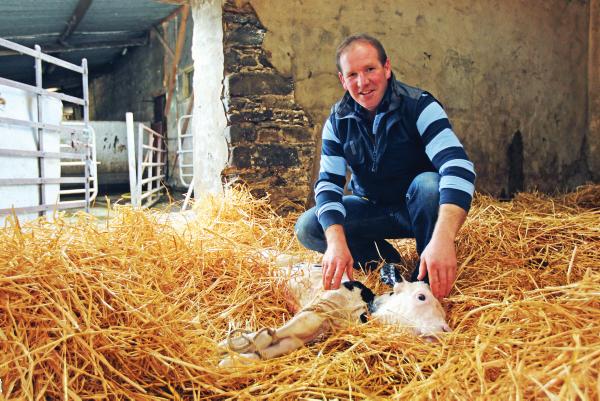
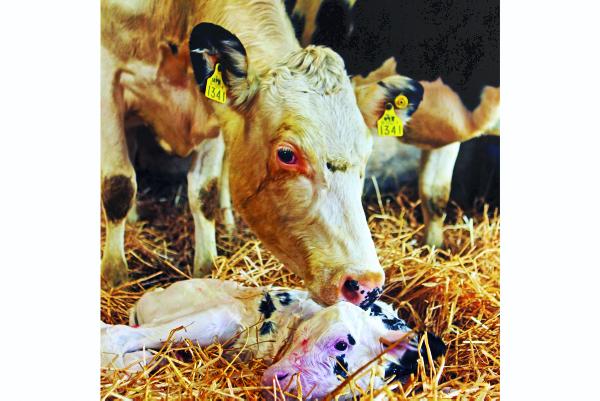
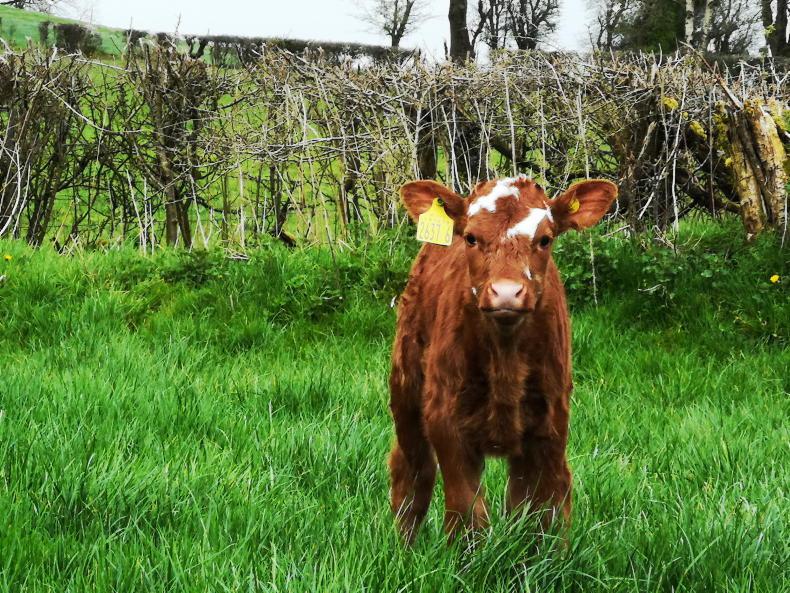
We are calving for nearly two weeks and have 14 of the 45 autumn calvers calved so far and have 11 Friesian heifer calves which is a great start. The autumn calving date has been delayed until late October for a number of reasons:
We can fill our October liquid contract easily with the 80 spring calving cows still milking.
I find it easier to calve the autumn calvers later and not have to turn them out to grass at all, or maybe only for a week, or two, by day. That way I can focus more on grazing tight with the herd of spring calving cows.
Calving later means I avoid feeding an expensive indoor diet during October. This farm is heavy enough and we usually would have had to house autumn calvers on and off in October.
I also get a better milk production response when cows go back to grass in February/March as the herd is still only 90 to 120 days in milk, on average.
The later calving start date means we don’t start breeding until 9 January. Spring calving starts around 20 January and finishes in the second week of April.
We have done a lot of work in recent years tightening up the calving periods and this hasn’t come easily – we have culled a lot of the ‘extremely milky’ cows.
Of the 80 spring calvers about 60% are first and second lactation cows. Having a young herd will mean lower production per cow, helping us avoid a major superlevy fine in 2014/15. It will hopefully also mean having more mature cows in the herd post 2015 and a herd with a higher EBI which I believe will deliver more profit.
The calving interval is down to 385 days after culling cows that couldn’t fit into the two tight calving periods. We still occasionally let good young cows transfer from the autumn herd to the spring herd as there isn’t a huge calendar gap between the two periods on this farm. However, we are keeping far less carryovers now and hope to continue this trend.
Cow type
At the moment herd EBI is €121 (€38 milk and €64 fertility). Spring 2013 calves have an EBI of €174 (€38 milk and €94 fertility) so we are definitely making progress with EBI and are hopefully developing a herd of more profitable animals. Milk delivered is 6,450 litres, at 3.98% fat and 3.40% protein (490kgMS/cow) from one tonne of meal per cow.
Last year was the first year we have reached the 3.40% protein target and using improved genetics for protein has been a big part of this. Our aim is to hold milk yield per cow, so my priorities are >€100 for fertility and >0.1% protein in bulls.
How we are being paid for liquid milk is changing so we are changing our breeding strategy and focusing more on milk solids.
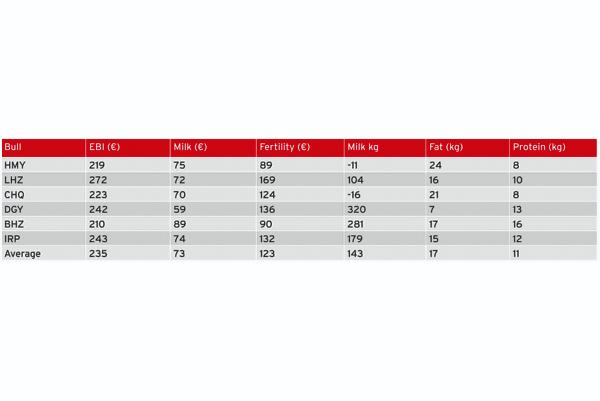
Bulls used last spring, most of which I will be using again this winter, include HMY, LHZ, CHQ, DGY, BHZ and IRP (see Table 1). I will use some straws from the genomic bulls PDO and JKF also.
Some of these are slightly negative for milk, but the herd average is +142kg of milk already which I think will deliver plenty of volume, so I am focusing on both fertility and milk solids.
DGY is a higher milk kilo’s bull I used on any cows a bit low in milk, but he is also +0.05% for protein and €136 for fertility so is still improving both traits. HMY is very easy calving so is used on heifers.
As well as milk solids and fertility I also feel the linear traits of feet and legs and udders are important and should be considered when choosing bulls.
We have a non-registered pedigree herd and I don’t get cows classified, but functionality is important. Feet and legs are a trait I always look at and after that udder conformation is crucial.
I know the rate of gain from genetics with genomics is huge, but I would rather use bulls with some daughters on the ground. Looking at the sires of bulls I can see the ancestry.
The ICBF website is fantastic and allows you to do all this. We will use all dairy AI for nine weeks in total, in the autumn calving herd.
I have 16 heifers for the bull and these are about 300kg today so should be well on target by the breeding start date in January.
I know the rate of genetic gain with genomic selection is huge, but I will estrumate all heifers from day one this year to reduce labour. I will also use easy calving dairy AI on heifers.
split feeding
I will split autumn and spring calving milkers over the winter so as not to overfeed the lower yielding spring cows.
The autumn calvers will get one third maize silage, two thirds grass silage and 5kg of a high protein blend. They will then be topped up in the parlour with a high energy, 16% crude protein (CP) nut.
I think topping up with a low protein nut is important because if it’s going to the higher yielding cows the last thing you want is to try and drive more milk out of the cow.
We have been part of a University College Dublin veterinary herd fertility programme for the last four years and this has substantially increased our breeding focus. We body condition score all cows at key times of the year and scan the whole herd three weeks before breeding.
This will always identify a few cystic and non-cycling cows which we try to treat before the start of the breeding season.
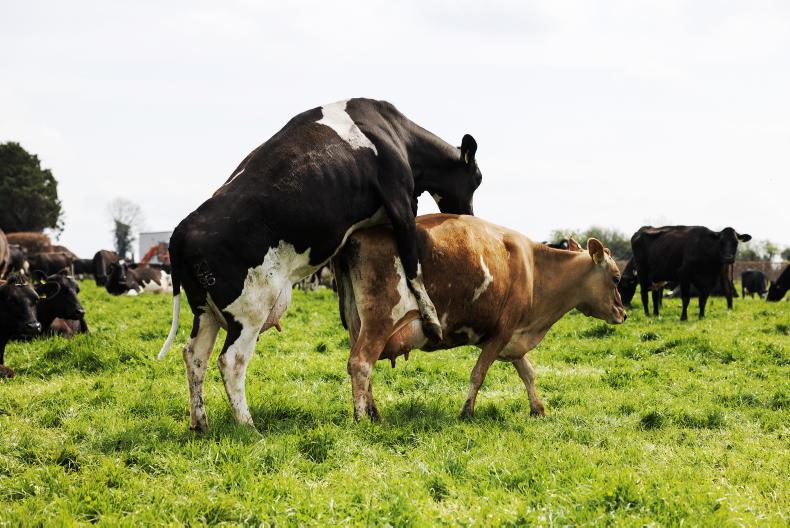
We have Moo-monitors on all the cows, but I would still observe them first thing in the morning and late at night to ensure all cows in heat are submitted.
Farm Profile
Richard Jackson farms with his wife Edel in Grangecon, Wicklow. They have three children; Kate (8), Henry (4) and Timmy (2). There are 60ha available for grazing around the parlour and 125 cows being milked this year (45 autumn calving/80 spring calving).
There are 110 cows to calve next spring but Richard plans to sell some of these. Post 2015 he is planning to milk 180 cows on the farm. A tight calving interval and plentiful use of AI is delivering plenty of surplus heifers for future expansion. Local man Noel Donohoe also works on the farm.
40ha is leased four miles away for grass and maize silage and rearing young stock.



SHARING OPTIONS