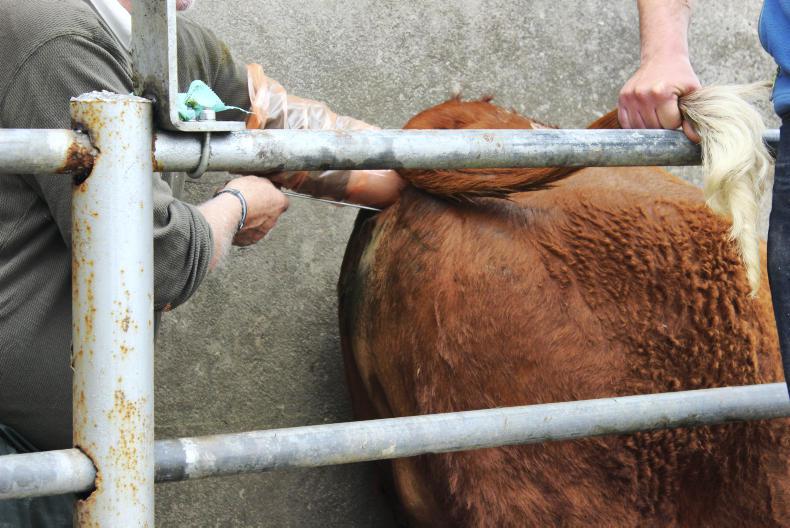
Autumn-calving herds are ideally suited to using artificial insemination when breeding. Having cows housed during the breeding period facilitates easier handling of animals in heat.
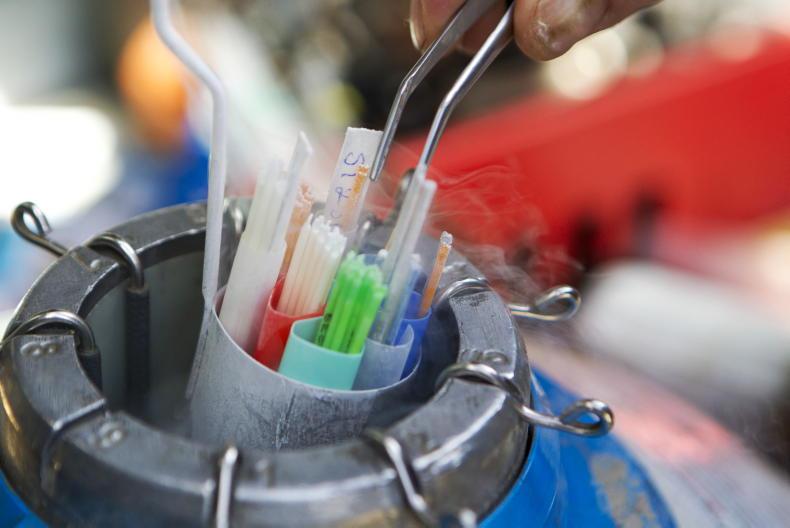
Using AI offers multiple benefits when breeding, compared to natural service. For example, different sires and breeds can be selected to suit individual cows.
Proven maternal sires can be used on a select group of cows to produce herd replacements, while sires with proven calving ease can be used on heifers.
In herds with extended calving patterns, short gestation sires can be used on late calving cows cows to bring them forward in calving next year.
Herd owners can also access the best genetics available within different breeds, which should improve calf performance under good management.
Downside
However, there are downsides to consider. Heat detection can be time consuming and cows penned on slats can have short, weak heats, which can be easily missed.
When using AI, the farmer is responsible for getting cows served at the optimum time, whereas a stock bull will cover animals multiple times during the course of a day.
With the breeding period for autumn-calving herds due to get underway from mid to late October, outlined are 10 steps to making best use of AI.
1House cows before breeding starts
For suckler herd owners, the natural instinct is to keep cows at grass for as long as possible during autumn.
While this can cut down feed costs and shorten the winter period, if cows have to be housed mid-way through the breeding period, this will have a negative effect on conception rates.
Sudden changes in environment will stress cows, which impacts negatively on cow fertility and conception rates.
Therefore, autumn-calving cows should be housed and settled indoors before the start of the breeding season. This way, animals are settled in the shed well in advance of breeding.
2Keep cow diets consistent
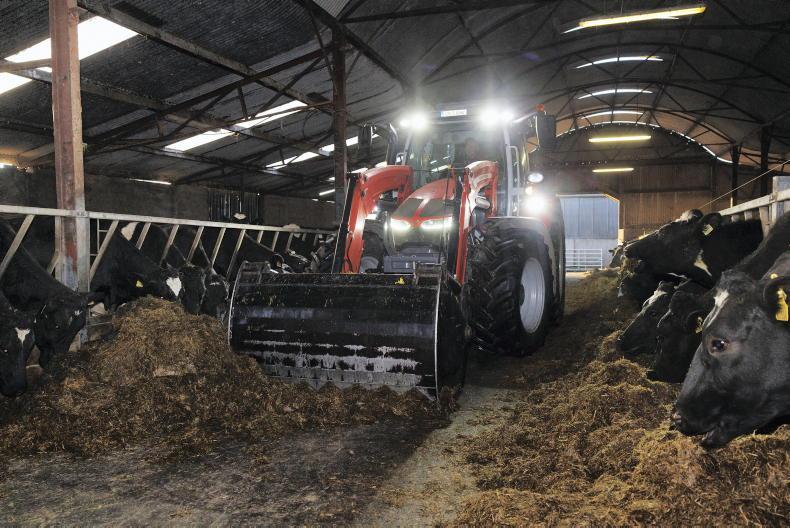
Keeping cows on a consistent diet from housing until the end of the breeding period will improve conception rates.
As autumn cows will be at peak-lactation when breeding starts, animals have a growing requirement for energy in their diet.
This is another reason for housing cows before the start of breeding, as autumn grass will not meet the cows’ nutritional demand.
Prioritise high-quality silage (70 DMD+) for autumn cows and supplement with 1kg to 1.5kg/day of concentrate to increase dry matter energy intake.
Once cows are settled in calf, concentrate feeding can stop and animals can be maintained on a silage-only diet.
Where cows are on average to good silage (66 to 69 DMD), increase concentrate feed levels to 2kg to 3kg/day, depending on quality.
3Separate cows in poor body condition
Cows that are struggling to maintain body condition will be slow to come back into heat. Animals that are cycling tend to have lower conception rates when inseminated.
When housing cows, separate thinner cows in a condition score below 2.5 for priority feeding. Increase concentrate feed to these animals by 1kg/day over the main herd.
4Treat cows for fluke
Once housed, target autumn cows with a fluke product that tackles early immature and mature fluke within two to three weeks of housing.
This will kill internal parasites just as the breeding period is getting underway.
Healthy cows free of parasite burdens will have higher conception rates when using AI.
5Mineral supplementation
Forage diets can be low in minerals and trace elements, so make sure cows are properly supplemented for minerals during the breeding season.
Compound feed rations will contain minerals, but at varying levels.
Offer cows lick buckets, powdered minerals or a bolus to increase supplementation as necessary.
6Restrict calves from suckling cows
Restrict calves suckling cows to morning and evening from around three to four weeks of age. This will bring cows back in heat much faster and animals tend to exhibit much stronger heats.
Locking calves in creep areas and limiting suckling to an hour in the morning and evening has no negative effect on calf performance. This step will also help to improve body condition in thinner cows.
7Heat detection
With cows housed, heat detection is easier to carry out. Watch cows at least three times a day for 20 minutes on each observation.
Morning, afternoon and late evening are optimum times to monitor cows.
When heat detecting, enter the shed quietly and do not start pushing in silage to the feed barriers, as this will disrupt cows from their natural behaviour.
Heat detection aids can be used to help pick up cows that are cycling, as animals on slats can have shorter heats with very little mounting activity.
8AM:PM rule
When using AI, work to the am:pm rule when inseminating cows. This means an animal seen in heat during the morning is served in the evening and vice versa.
9Good handling facilities
AI and stressed cows are not compatible. So make sure you have good handling facilities for moving cows out of group pens and when inseminating.
Once cows are inseminated, return to group pens immediately.
10Record all heats and
inseminations
Record all heats and inseminations. This makes it easier to watch out for cows that did not hold to first service and will repeat 18 to 21 days later.
Where there is a stock bull on-farm, using AI is an additional expense for the herd.
Therefore, repeats may be better off running with the stock bull.
But if there is only a handful of cows that repeat after first service, a second service to AI may be justified where the aim is to produce herd replacements or calving ease.
Read more
Beef management: time to get slurry tanks emptied
Watch: drafting heifers for slaughter on Thrive demo farm
Autumn-calving herds are ideally suited to using artificial insemination when breeding. Having cows housed during the breeding period facilitates easier handling of animals in heat.
Using AI offers multiple benefits when breeding, compared to natural service. For example, different sires and breeds can be selected to suit individual cows.
Proven maternal sires can be used on a select group of cows to produce herd replacements, while sires with proven calving ease can be used on heifers.
In herds with extended calving patterns, short gestation sires can be used on late calving cows cows to bring them forward in calving next year.
Herd owners can also access the best genetics available within different breeds, which should improve calf performance under good management.
Downside
However, there are downsides to consider. Heat detection can be time consuming and cows penned on slats can have short, weak heats, which can be easily missed.
When using AI, the farmer is responsible for getting cows served at the optimum time, whereas a stock bull will cover animals multiple times during the course of a day.
With the breeding period for autumn-calving herds due to get underway from mid to late October, outlined are 10 steps to making best use of AI.
1House cows before breeding starts
For suckler herd owners, the natural instinct is to keep cows at grass for as long as possible during autumn.
While this can cut down feed costs and shorten the winter period, if cows have to be housed mid-way through the breeding period, this will have a negative effect on conception rates.
Sudden changes in environment will stress cows, which impacts negatively on cow fertility and conception rates.
Therefore, autumn-calving cows should be housed and settled indoors before the start of the breeding season. This way, animals are settled in the shed well in advance of breeding.
2Keep cow diets consistent
Keeping cows on a consistent diet from housing until the end of the breeding period will improve conception rates.
As autumn cows will be at peak-lactation when breeding starts, animals have a growing requirement for energy in their diet.
This is another reason for housing cows before the start of breeding, as autumn grass will not meet the cows’ nutritional demand.
Prioritise high-quality silage (70 DMD+) for autumn cows and supplement with 1kg to 1.5kg/day of concentrate to increase dry matter energy intake.
Once cows are settled in calf, concentrate feeding can stop and animals can be maintained on a silage-only diet.
Where cows are on average to good silage (66 to 69 DMD), increase concentrate feed levels to 2kg to 3kg/day, depending on quality.
3Separate cows in poor body condition
Cows that are struggling to maintain body condition will be slow to come back into heat. Animals that are cycling tend to have lower conception rates when inseminated.
When housing cows, separate thinner cows in a condition score below 2.5 for priority feeding. Increase concentrate feed to these animals by 1kg/day over the main herd.
4Treat cows for fluke
Once housed, target autumn cows with a fluke product that tackles early immature and mature fluke within two to three weeks of housing.
This will kill internal parasites just as the breeding period is getting underway.
Healthy cows free of parasite burdens will have higher conception rates when using AI.
5Mineral supplementation
Forage diets can be low in minerals and trace elements, so make sure cows are properly supplemented for minerals during the breeding season.
Compound feed rations will contain minerals, but at varying levels.
Offer cows lick buckets, powdered minerals or a bolus to increase supplementation as necessary.
6Restrict calves from suckling cows
Restrict calves suckling cows to morning and evening from around three to four weeks of age. This will bring cows back in heat much faster and animals tend to exhibit much stronger heats.
Locking calves in creep areas and limiting suckling to an hour in the morning and evening has no negative effect on calf performance. This step will also help to improve body condition in thinner cows.
7Heat detection
With cows housed, heat detection is easier to carry out. Watch cows at least three times a day for 20 minutes on each observation.
Morning, afternoon and late evening are optimum times to monitor cows.
When heat detecting, enter the shed quietly and do not start pushing in silage to the feed barriers, as this will disrupt cows from their natural behaviour.
Heat detection aids can be used to help pick up cows that are cycling, as animals on slats can have shorter heats with very little mounting activity.
8AM:PM rule
When using AI, work to the am:pm rule when inseminating cows. This means an animal seen in heat during the morning is served in the evening and vice versa.
9Good handling facilities
AI and stressed cows are not compatible. So make sure you have good handling facilities for moving cows out of group pens and when inseminating.
Once cows are inseminated, return to group pens immediately.
10Record all heats and
inseminations
Record all heats and inseminations. This makes it easier to watch out for cows that did not hold to first service and will repeat 18 to 21 days later.
Where there is a stock bull on-farm, using AI is an additional expense for the herd.
Therefore, repeats may be better off running with the stock bull.
But if there is only a handful of cows that repeat after first service, a second service to AI may be justified where the aim is to produce herd replacements or calving ease.
Read more
Beef management: time to get slurry tanks emptied
Watch: drafting heifers for slaughter on Thrive demo farm





SHARING OPTIONS