



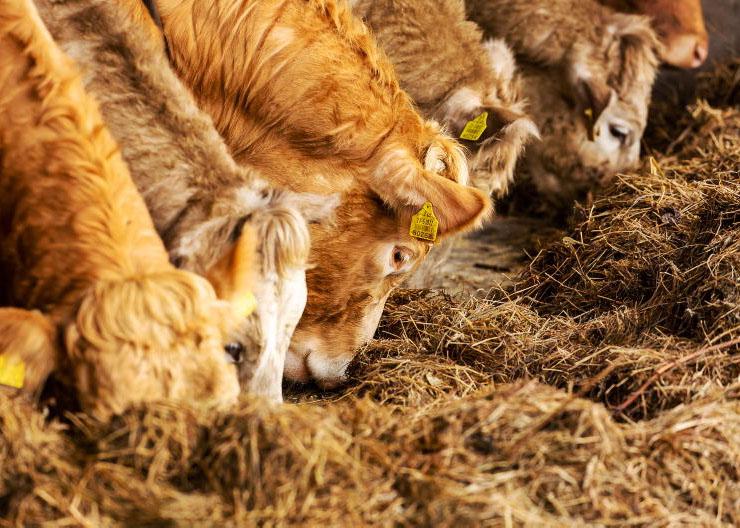
Winter seems to have drawn in rapidly, with storm Amy putting a stop to grazing on a lot of farms.
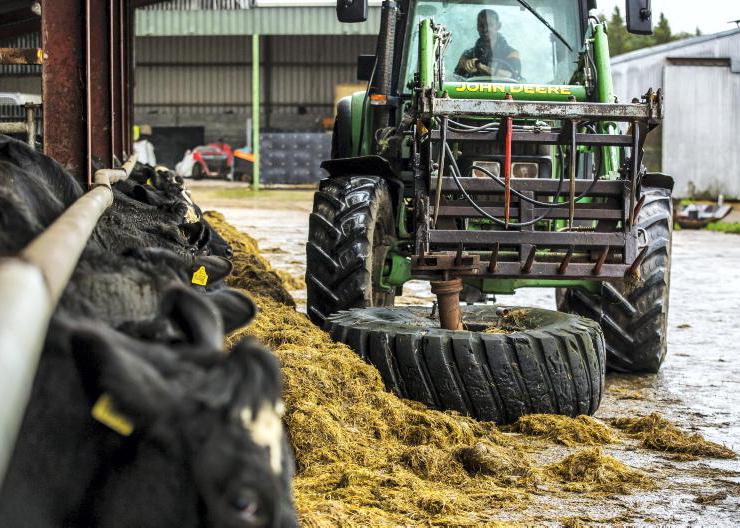
With cattle going indoors, the level of meal feeding on farms will increase as well.
The only stock type that generally does not see much meal between now and next spring is spring calving suckler cows, with meal going to dairy cows, finishers, weanlings and autumn calving cows, as well as store lambs and in-lamb ewes.
Silage quality for the most part is good, which would normally equate to lower volumes of feed going to stock, but with commodity prices, especially in the beef circles, being high, meal feeding levels will likely be on par if not higher than normal.
This year above any year, it really will pay to feed stock, especially younger cattle.
Far too often we have weanlings going in to sheds only to be turned out five or six months later with minimal weight gained.
Now more than ever it is important that we have these animals thriving; the environment needs to be optimum and meal-feeding levels and silage quality balanced to see weanlings gaining 0.6kg/day.
Any less and the compensatory growth will just not catch up.
While all this is very positive, our tillage counterparts are in crisis. Competition for land, increased costs and low prices won’t be counteracted by good sowing or harvesting conditions, which is causing an estimated one tillage farmer a week to exit the sector.
We pride ourselves on grass-grown beef, lamb and milk, but if we lose even more of our tillage area and import higher amounts of grain, can we really wear that badge with honour?
In reality, we do need to look at increasing our home-grown grain into diets, something which Liffey Mills’ Willie Boland highlights.



SHARING OPTIONS