We Irish enjoy a great global reputation, don’t you think?
In 2025, the Nomad Capitalist Passport Index ranked the Irish passport as the most powerful in the world, beating previously tough competitors like Japan and Singapore; but it’s not just our passports which are desirable. A quick scroll through TikTok or Instagram will often show food bloggers and vloggers from all over the world keeping their fridges stocked with blocks of Kerrygold butter. Our reputation for quality dairy isn’t just strong – it’s ‘trending’.
The dairy sector isn’t exempt from concerns around export tariffs, but it maintains a strong and valuable presence on the global food scene. Bord Bia recently launched its latest consumer research around dairy consumption; showing that while the industry might have some challenges ahead, there is also lots of room for innovation – especially within the realm of sustainable nutrition.
Global consumer trends
The idea of ‘sustainable nutrition’ encompasses different elements regarding consumption, the economy and climate. On the consumer end, we want products that are healthy and safe to consume. We also want foods which are accessible and affordable – some ‘bang’ for our buck.
On the producer end, we need to be able to make a sustainable living from the foods we produce. We also need to produce foods in sustainable ways to ensure we can keep production going into the future.
The research presented by Bord Bia (led by Empathy and Futavista, with expert input from Sustainability Works), looked at over 40 pieces of published research and included consumer data across eight global markets including Ireland, the United Kingdom, China and Germany. It found that, as our relationship with technology and artificial intelligence (AI) grows, the products on our supermarket shelves will also evolve.
These findings align with trends being closely followed by larger players, like Tirlán, within the Irish dairy industry. Tirlán’s director of ingredients sales, Shane McDarby, says nutrition and lifestyle are driving forces across all generations and the idea of sustainable nutrition – and the role dairy products can play – is only going to grow.
“With the global population set to reach 9.7bn by 2050 – including a significant rise in people over 60 – there is a shift toward promoting longer, healthier lives,” he explains. “These shifts in demographics and consumer thinking are growing the demand for high protein foods across all ages.
“The ingredients we anticipate the most growth in are those focused on aligned health, functionality and versatility. Milk proteins are expected to be in demand for high-protein yogurts, RTD [ready-to-drink] beverages and bars while whey protein will be in demand driven by sports nutrition and fortified foods. Caseins will be in demand for processed cheese and protein-enriched foods.”
Understanding global trends in dairy consumption helps keep the Irish industry competitive. Shane says a better understanding of these trends allows for innovation, differentiation and the ability to meet evolving consumer expectations while maintaining the premium qualities of our indigenous ingredients.
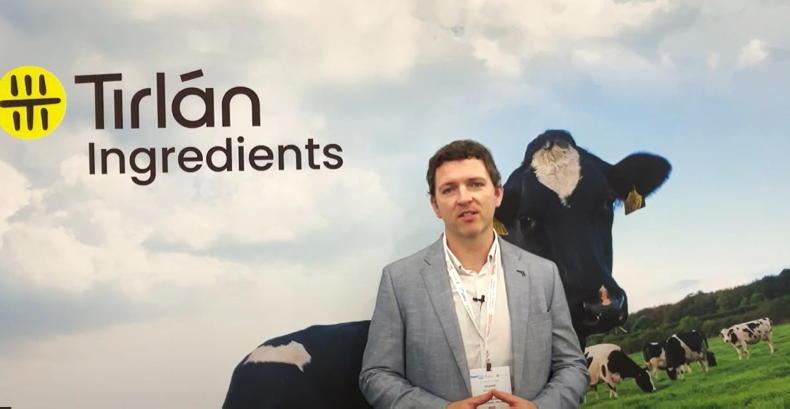
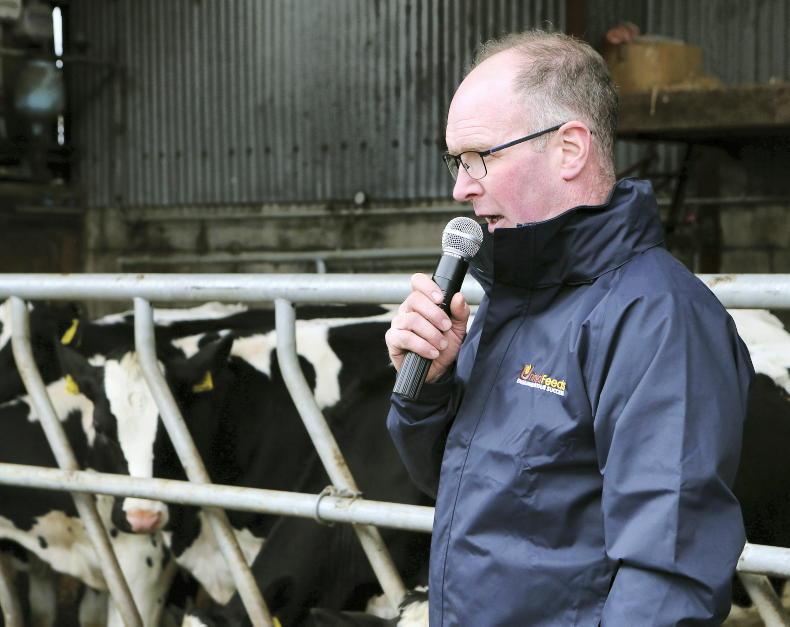
Shane McDarby is Tirlán’s director of ingredients sales.
“As consumers’ needs change, driven by changing lifestyles, increased nutritional knowledge and more digital living, the food and beverage industry needs to innovate and adapt rapidly to new technologies and consumer expectations,” he says. “Transparency, sustainability, and ‘clean-label’ demands are shaping consumer trust and loyalty. Continuous product development ensures the industry can adapt, lead and thrive in a fast-changing landscape.”
The growth in consumption of plant-based alternatives to traditional dairy is still evolving, but traditional dairy – especially for nutrition, price and accessibility – is not threatened by this growth.
“The plant-based food category is forecast by the United Nations to grow at a compound annual growth rate of 28%, becoming an €85bn global market over the next decade,” Shane says. “Plant-based alternative products do not directly replace dairy; they offer complementary options.
“[That said], food price inflation has hit the plant-based categories hard,” he adds. “The cost of plant-based alternatives is higher than traditional dairy options, which has meant some flexitarians have switched back.”
Food choices
Another area of consumer research of interest to the Irish dairy sector is the increasing global use of GLP-1 medications, like Ozempic, for obesity and Type 2 diabetes.
Grace Binchy, Bord Bia’s trends and insights specialist, has presented at industry events, speaking about this emerging trend and how it is beginning to affect the products we see on supermarket shelves. While research around diet and GLP-1 use is still in its infancy, there is emerging data which will help the food service industry navigate future implications.
“For example, we know that consumers within countries like the United States and Ireland are more open to GLP-1 use than in other countries, like France,” Grace tells Irish Country Living. “It’s early days in terms of where this research is at, and what it means, but it is going to be interesting to see where it goes.”
Grace refers to leading American agri-business strategist Mary Shellman, who has named GLP-1 use, alongside increased use of AI, one of two ‘disruptors’ she sees facing the global agri-food industry in years to come.
“With adoption rapidly expanding – already at one in eight Americans having used GLP-1 drugs, and with 30-35% expressing interest – the effects on food demand are poised to be the most significant shift in eating habits in modern history,” a recent article co-authored by Shellman reads. “Early data shows a significant impact on food demand, with household spending declining by 5-10% among GLP-1 users,” it continues. “The biggest reductions are in categories like snack foods, desserts and sugary beverages, as these drugs suppress cravings for ultra-processed, high-carb and high-fat options.”
These shifts, driven by GLP-1 use, are already affecting product development within the United States, and as GLP-1s become more accessible within other markets, we are likely to see similar changes elsewhere.
This creates opportunity for the dairy sector. Shane agrees that this shift is one to be watching closely.
“The increasing adoption of GLP-1 medications is likely to drive significant changes in dairy consumption patterns,” he says. “Brands that adapt to these emerging trends by focusing on high-protein, portion-controlled and functional dairy products, while also emphasising sustainability and transparency, will be well-positioned to meet the evolving needs of consumers in the future.”
Grace mentions several brands already creating products designed for those using GLP-1 medications. “The US is definitely the market to watch right now,” she says. “With GLP-1s, we are looking at foods which are portion-controlled and nutrient-dense. We are likely to see GLP-1-specific labelling, as well.”
In terms of functional foods, there will also likely be a range of “GLP-1 enhancing” foods (in the form of supplements) which will aim to help with GLP-1 treatment. In the US, Healthy Choice Simply Steamers are portion-controlled frozen ready-meals with GLP-1 friendly labelling. Another American brand, Smoothie King, offers “smoothies to support your GLP-1 routine” with added fibre, protein and no added sugar.
Mossfield Organic
AI and precision nutrition may change the future of dairy product development, but there are also many smaller Irish dairy producers who don’t need to change a thing about their product line. This is because they naturally fit into current trends around dairy and consumer behaviour.
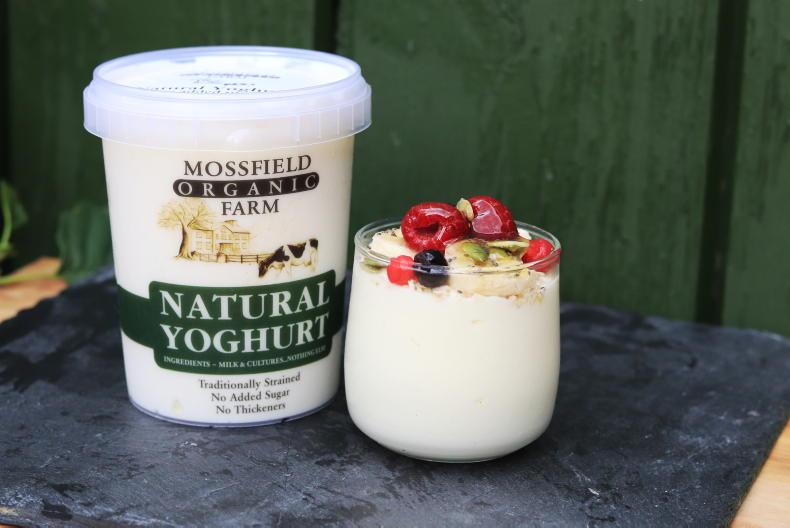
Mossfield Organic dairy products naturally fit into consumer trends around health, wellness, organics and 'clean labelling'.
Bord Bia’s research found that something being “natural and real” mattered most to consumers making dairy purchases. This sentiment has seen an increase in organic dairy purchases across the markets surveyed, with 48% buying organic at least half the time they purchase dairy products.
Mossfield Organic Farm has seen growth with its dairy product line since converting to organic in 1999. Ralph and Lorraine Haslam have been farming the land near Birr, Co Offaly, since 1970, and after their conversion, started producing a gouda-style cheese in 2004.
“From there, we expanded the range to include flavoured cheeses, bottled non-homogenised milk and strained yogurts,” says Ralph.
“We have won numerous awards since, including an Irish Food Writers Guild Award in 2016 [for our bottled non-homogenised milk] and the Waitrose Trophy for Best Specialist Cheese Maker in 2015 [at the International Cheese Awards].”
Although Bord Bia’s research shows that demand for organic dairy is considerable across global markets, organic dairying in Ireland continues to face its share of challenges.
Ralph says,“The cost of organic feed is the biggest factor and the supports currently available are insufficient. The premium for organic milk is not enough.”
As they do not use chemical fertiliser, organic systems are generally more weather-dependent than conventional farming.
All of that said, though, Ralph and Lorraine are happy farming in an organic system.
Bord Bia’s research states that dairy brands can adhere to the “natural and real” theme consumers are looking for by going “back to basics”.
Ralph says that at Mossfield they have never paid much attention to consumer trends, but agrees their traditional methods tend to overlap with trends being reported around health, nutrition and sustainability.
“In our case, that means yogurt that is fermented for longer than most commercial yogurts; milk bottled on-farm without any cream being removed and cheeses without any added enzymes to speed up maturing.
“We’re doing the minimum processing possible to create a staple food, and I think that is what our customers appreciate and want,” he explains.
We Irish enjoy a great global reputation, don’t you think?
In 2025, the Nomad Capitalist Passport Index ranked the Irish passport as the most powerful in the world, beating previously tough competitors like Japan and Singapore; but it’s not just our passports which are desirable. A quick scroll through TikTok or Instagram will often show food bloggers and vloggers from all over the world keeping their fridges stocked with blocks of Kerrygold butter. Our reputation for quality dairy isn’t just strong – it’s ‘trending’.
The dairy sector isn’t exempt from concerns around export tariffs, but it maintains a strong and valuable presence on the global food scene. Bord Bia recently launched its latest consumer research around dairy consumption; showing that while the industry might have some challenges ahead, there is also lots of room for innovation – especially within the realm of sustainable nutrition.
Global consumer trends
The idea of ‘sustainable nutrition’ encompasses different elements regarding consumption, the economy and climate. On the consumer end, we want products that are healthy and safe to consume. We also want foods which are accessible and affordable – some ‘bang’ for our buck.
On the producer end, we need to be able to make a sustainable living from the foods we produce. We also need to produce foods in sustainable ways to ensure we can keep production going into the future.
The research presented by Bord Bia (led by Empathy and Futavista, with expert input from Sustainability Works), looked at over 40 pieces of published research and included consumer data across eight global markets including Ireland, the United Kingdom, China and Germany. It found that, as our relationship with technology and artificial intelligence (AI) grows, the products on our supermarket shelves will also evolve.
These findings align with trends being closely followed by larger players, like Tirlán, within the Irish dairy industry. Tirlán’s director of ingredients sales, Shane McDarby, says nutrition and lifestyle are driving forces across all generations and the idea of sustainable nutrition – and the role dairy products can play – is only going to grow.
“With the global population set to reach 9.7bn by 2050 – including a significant rise in people over 60 – there is a shift toward promoting longer, healthier lives,” he explains. “These shifts in demographics and consumer thinking are growing the demand for high protein foods across all ages.
“The ingredients we anticipate the most growth in are those focused on aligned health, functionality and versatility. Milk proteins are expected to be in demand for high-protein yogurts, RTD [ready-to-drink] beverages and bars while whey protein will be in demand driven by sports nutrition and fortified foods. Caseins will be in demand for processed cheese and protein-enriched foods.”
Understanding global trends in dairy consumption helps keep the Irish industry competitive. Shane says a better understanding of these trends allows for innovation, differentiation and the ability to meet evolving consumer expectations while maintaining the premium qualities of our indigenous ingredients.
Shane McDarby is Tirlán’s director of ingredients sales.
“As consumers’ needs change, driven by changing lifestyles, increased nutritional knowledge and more digital living, the food and beverage industry needs to innovate and adapt rapidly to new technologies and consumer expectations,” he says. “Transparency, sustainability, and ‘clean-label’ demands are shaping consumer trust and loyalty. Continuous product development ensures the industry can adapt, lead and thrive in a fast-changing landscape.”
The growth in consumption of plant-based alternatives to traditional dairy is still evolving, but traditional dairy – especially for nutrition, price and accessibility – is not threatened by this growth.
“The plant-based food category is forecast by the United Nations to grow at a compound annual growth rate of 28%, becoming an €85bn global market over the next decade,” Shane says. “Plant-based alternative products do not directly replace dairy; they offer complementary options.
“[That said], food price inflation has hit the plant-based categories hard,” he adds. “The cost of plant-based alternatives is higher than traditional dairy options, which has meant some flexitarians have switched back.”
Food choices
Another area of consumer research of interest to the Irish dairy sector is the increasing global use of GLP-1 medications, like Ozempic, for obesity and Type 2 diabetes.
Grace Binchy, Bord Bia’s trends and insights specialist, has presented at industry events, speaking about this emerging trend and how it is beginning to affect the products we see on supermarket shelves. While research around diet and GLP-1 use is still in its infancy, there is emerging data which will help the food service industry navigate future implications.
“For example, we know that consumers within countries like the United States and Ireland are more open to GLP-1 use than in other countries, like France,” Grace tells Irish Country Living. “It’s early days in terms of where this research is at, and what it means, but it is going to be interesting to see where it goes.”
Grace refers to leading American agri-business strategist Mary Shellman, who has named GLP-1 use, alongside increased use of AI, one of two ‘disruptors’ she sees facing the global agri-food industry in years to come.
“With adoption rapidly expanding – already at one in eight Americans having used GLP-1 drugs, and with 30-35% expressing interest – the effects on food demand are poised to be the most significant shift in eating habits in modern history,” a recent article co-authored by Shellman reads. “Early data shows a significant impact on food demand, with household spending declining by 5-10% among GLP-1 users,” it continues. “The biggest reductions are in categories like snack foods, desserts and sugary beverages, as these drugs suppress cravings for ultra-processed, high-carb and high-fat options.”
These shifts, driven by GLP-1 use, are already affecting product development within the United States, and as GLP-1s become more accessible within other markets, we are likely to see similar changes elsewhere.
This creates opportunity for the dairy sector. Shane agrees that this shift is one to be watching closely.
“The increasing adoption of GLP-1 medications is likely to drive significant changes in dairy consumption patterns,” he says. “Brands that adapt to these emerging trends by focusing on high-protein, portion-controlled and functional dairy products, while also emphasising sustainability and transparency, will be well-positioned to meet the evolving needs of consumers in the future.”
Grace mentions several brands already creating products designed for those using GLP-1 medications. “The US is definitely the market to watch right now,” she says. “With GLP-1s, we are looking at foods which are portion-controlled and nutrient-dense. We are likely to see GLP-1-specific labelling, as well.”
In terms of functional foods, there will also likely be a range of “GLP-1 enhancing” foods (in the form of supplements) which will aim to help with GLP-1 treatment. In the US, Healthy Choice Simply Steamers are portion-controlled frozen ready-meals with GLP-1 friendly labelling. Another American brand, Smoothie King, offers “smoothies to support your GLP-1 routine” with added fibre, protein and no added sugar.
Mossfield Organic
AI and precision nutrition may change the future of dairy product development, but there are also many smaller Irish dairy producers who don’t need to change a thing about their product line. This is because they naturally fit into current trends around dairy and consumer behaviour.
Mossfield Organic dairy products naturally fit into consumer trends around health, wellness, organics and 'clean labelling'.
Bord Bia’s research found that something being “natural and real” mattered most to consumers making dairy purchases. This sentiment has seen an increase in organic dairy purchases across the markets surveyed, with 48% buying organic at least half the time they purchase dairy products.
Mossfield Organic Farm has seen growth with its dairy product line since converting to organic in 1999. Ralph and Lorraine Haslam have been farming the land near Birr, Co Offaly, since 1970, and after their conversion, started producing a gouda-style cheese in 2004.
“From there, we expanded the range to include flavoured cheeses, bottled non-homogenised milk and strained yogurts,” says Ralph.
“We have won numerous awards since, including an Irish Food Writers Guild Award in 2016 [for our bottled non-homogenised milk] and the Waitrose Trophy for Best Specialist Cheese Maker in 2015 [at the International Cheese Awards].”
Although Bord Bia’s research shows that demand for organic dairy is considerable across global markets, organic dairying in Ireland continues to face its share of challenges.
Ralph says,“The cost of organic feed is the biggest factor and the supports currently available are insufficient. The premium for organic milk is not enough.”
As they do not use chemical fertiliser, organic systems are generally more weather-dependent than conventional farming.
All of that said, though, Ralph and Lorraine are happy farming in an organic system.
Bord Bia’s research states that dairy brands can adhere to the “natural and real” theme consumers are looking for by going “back to basics”.
Ralph says that at Mossfield they have never paid much attention to consumer trends, but agrees their traditional methods tend to overlap with trends being reported around health, nutrition and sustainability.
“In our case, that means yogurt that is fermented for longer than most commercial yogurts; milk bottled on-farm without any cream being removed and cheeses without any added enzymes to speed up maturing.
“We’re doing the minimum processing possible to create a staple food, and I think that is what our customers appreciate and want,” he explains.





SHARING OPTIONS