Hope is on the horizon for those in the farming community whose sons and daughters are trying to build houses on family farms, with the news that the Government is about to overhaul planning regulations for one-off rural homes.
The Minister for Housing, Local Government and Heritage James Browne says new guidelines will be published by the summer that will, he claims, ‘liberalise’ the planning system, offering a more consistent approach to rural planning applications for one-off houses.
The planning system has long been criticised by the farming community for its restrictive approach to rural housing. Official guidelines for rural planning are 21 years old, with planning authorities working from policies first published in 2005.
Thousands of prospective homeowners in rural communities have experienced long delays in securing planning permission decisions for well over the past decade. Those who succeed, end up paying higher construction prices due to the time-lapse from submitting an application to a decision being granted. Others who fail in their applications have to resubmit applications, often at an extra cost of thousands of euros.
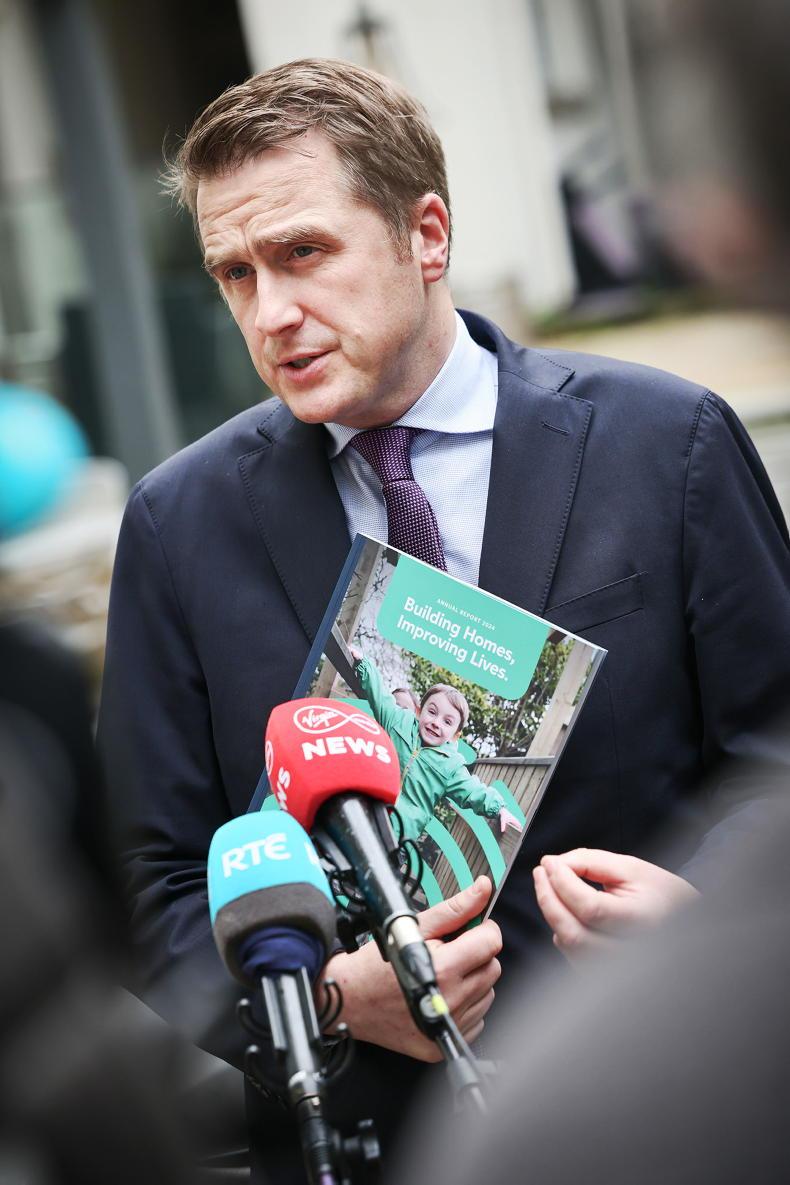
Minister for Housing James Browne TD. \ Marc O’Sullivan
Inconsistencies
In recent years, Irish Country Living has shone a spotlight on the challenges facing farm families trying to build homes on land that previous generations developed with farmhouses.
However, issues with roads, environmental constraints, along with inconsistencies in local planning departments have been raised by frustrated rural dwellers all over the country.
Local authorities base their planning policies on their individual county development plans, which are unique to that administrative area. While these plans are guided by the National Planning Framework, published in 2018, their interpretation and implementation is at the discretion of the council executive, namely the planning department.
The Minister’s comments are a promising step in the right direction for the very many young people living in rural Ireland who would love the opportunity to build a home on their own land to enable them to return to their communities and contribute to rural sustainability, vibrancy and viability
While local authorities argue that if applicants familiarise themselves with their county development plan they can avoid pitfalls in their planning applications, there is no consistency in how each county council delivers planning decisions. Some parts of the country are known to be more restrictive when it comes to sanctioning one-off rural homes, with commuter belt counties of Meath, Wicklow and Kildare particularly affected.

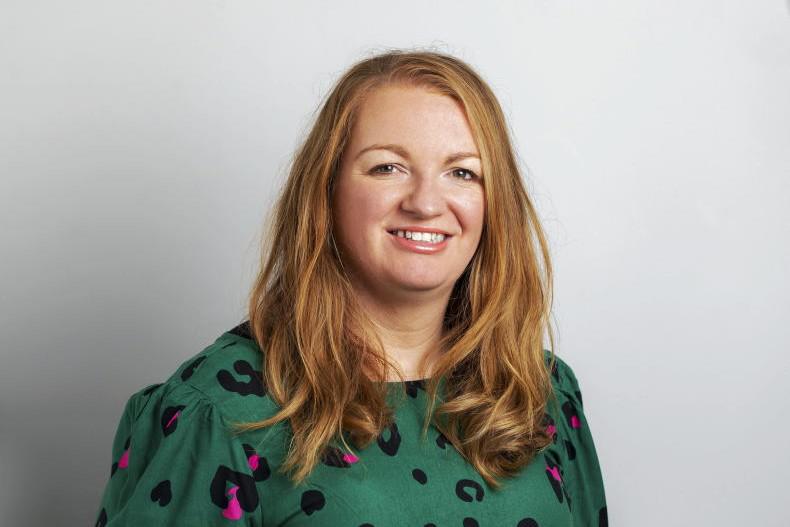
Macra president Josephine O’Neill.
Macra president Josephine O’Neill has given a cautious welcome to the development saying it offers ‘glimmer of hope’ to the farming community.
Josephine says Macra has been lobbying for years for updated guidelines and says the issue has formed a key part of the association’s pre-budget submission to this Government and those that have gone before.
“The Minister’s comments are a promising step in the right direction for the very many young people living in rural Ireland who would love the opportunity to build a home on their own land to enable them to return to their communities and contribute to rural sustainability, vibrancy and viability,” she tells Irish Country Living.
“While there is no detail on what the Government is proposing, we will have to see what is going to happen. At every Macra meeting, our members raise the issue of housing as their number one priority.
“These young farmers are not relying on Government support to build their own home as they have their site and the means to satisfy their own housing need. But they’re being prevented from doing so by inconsistent planning guidelines.
“Young farmers are also investing serious time and money submitting numerous planning applications trying to satisfy local planning regulations, but to no avail.
“They ultimately want to settle in their home areas but are being frustrated by all the hoops they have to jump through by a system that is no longer – and hasn’t been for many years – fit for purpose.”
Not in favour
However, not everyone is in favour of relaxing planning guidelines to allow more one-off rural homes to be built.
Architect and presenter of RTE’s Room to Improve, Dermot Bannon, says the measure will only solve a problem for a very small minority of people.

Architect and presenter of RTE’s Room to Improve, Dermot Bannon, says the measure will only solve a problem for a very small minority of people.
“There are huge difficulties getting planning in rural Ireland and those who have a genuine need, those who need to live near parents, or who are working on a farm or in the community, such as teachers, they need houses,” he says.
“But not everyone has land that they should be building on. The problem is the planning system is so overstretched. There are so many systems and checks needed for building a house and those need to be there. We’ve seen in recent weeks the impact of flooding, so what will liberalising the process do? Does that mean people will be allowed to build on floodplains, and they’ll have water coming in to their homes in future weather events?” says Dermot.
Minister Browne has yet to reveal the changes being introduced, with a spokesperson confirming to Irish Country Living that the updated guidelines are still being worked on.
He has however, said he wants to give rural people the freedom to live in their own communities, which he acknowledges has become ‘almost impossible’ for some.
Hope is on the horizon for those in the farming community whose sons and daughters are trying to build houses on family farms, with the news that the Government is about to overhaul planning regulations for one-off rural homes.
The Minister for Housing, Local Government and Heritage James Browne says new guidelines will be published by the summer that will, he claims, ‘liberalise’ the planning system, offering a more consistent approach to rural planning applications for one-off houses.
The planning system has long been criticised by the farming community for its restrictive approach to rural housing. Official guidelines for rural planning are 21 years old, with planning authorities working from policies first published in 2005.
Thousands of prospective homeowners in rural communities have experienced long delays in securing planning permission decisions for well over the past decade. Those who succeed, end up paying higher construction prices due to the time-lapse from submitting an application to a decision being granted. Others who fail in their applications have to resubmit applications, often at an extra cost of thousands of euros.
Minister for Housing James Browne TD. \ Marc O’Sullivan
Inconsistencies
In recent years, Irish Country Living has shone a spotlight on the challenges facing farm families trying to build homes on land that previous generations developed with farmhouses.
However, issues with roads, environmental constraints, along with inconsistencies in local planning departments have been raised by frustrated rural dwellers all over the country.
Local authorities base their planning policies on their individual county development plans, which are unique to that administrative area. While these plans are guided by the National Planning Framework, published in 2018, their interpretation and implementation is at the discretion of the council executive, namely the planning department.
The Minister’s comments are a promising step in the right direction for the very many young people living in rural Ireland who would love the opportunity to build a home on their own land to enable them to return to their communities and contribute to rural sustainability, vibrancy and viability
While local authorities argue that if applicants familiarise themselves with their county development plan they can avoid pitfalls in their planning applications, there is no consistency in how each county council delivers planning decisions. Some parts of the country are known to be more restrictive when it comes to sanctioning one-off rural homes, with commuter belt counties of Meath, Wicklow and Kildare particularly affected.
Macra president Josephine O’Neill.
Macra president Josephine O’Neill has given a cautious welcome to the development saying it offers ‘glimmer of hope’ to the farming community.
Josephine says Macra has been lobbying for years for updated guidelines and says the issue has formed a key part of the association’s pre-budget submission to this Government and those that have gone before.
“The Minister’s comments are a promising step in the right direction for the very many young people living in rural Ireland who would love the opportunity to build a home on their own land to enable them to return to their communities and contribute to rural sustainability, vibrancy and viability,” she tells Irish Country Living.
“While there is no detail on what the Government is proposing, we will have to see what is going to happen. At every Macra meeting, our members raise the issue of housing as their number one priority.
“These young farmers are not relying on Government support to build their own home as they have their site and the means to satisfy their own housing need. But they’re being prevented from doing so by inconsistent planning guidelines.
“Young farmers are also investing serious time and money submitting numerous planning applications trying to satisfy local planning regulations, but to no avail.
“They ultimately want to settle in their home areas but are being frustrated by all the hoops they have to jump through by a system that is no longer – and hasn’t been for many years – fit for purpose.”
Not in favour
However, not everyone is in favour of relaxing planning guidelines to allow more one-off rural homes to be built.
Architect and presenter of RTE’s Room to Improve, Dermot Bannon, says the measure will only solve a problem for a very small minority of people.
Architect and presenter of RTE’s Room to Improve, Dermot Bannon, says the measure will only solve a problem for a very small minority of people.
“There are huge difficulties getting planning in rural Ireland and those who have a genuine need, those who need to live near parents, or who are working on a farm or in the community, such as teachers, they need houses,” he says.
“But not everyone has land that they should be building on. The problem is the planning system is so overstretched. There are so many systems and checks needed for building a house and those need to be there. We’ve seen in recent weeks the impact of flooding, so what will liberalising the process do? Does that mean people will be allowed to build on floodplains, and they’ll have water coming in to their homes in future weather events?” says Dermot.
Minister Browne has yet to reveal the changes being introduced, with a spokesperson confirming to Irish Country Living that the updated guidelines are still being worked on.
He has however, said he wants to give rural people the freedom to live in their own communities, which he acknowledges has become ‘almost impossible’ for some.







SHARING OPTIONS