



Treo Eile has recently unveiled a thoughtful new partnership with Horse Sport Ireland for the coming breeding season, a pilot initiative with a clear and practical purpose: to give the thoroughbred mare a safer and more considered future once her days on the track and in the breeding shed begin to draw to a close.
Anne O’Connor, senior executive officer at Treo Eile, welcomed the groundbreaking collaboration describing it as “an initiative that supports a meaningful second-career pathway for mares coming out of training or from within the thoroughbred breeding industry”.
At its heart is a simple but often overlooked truth. The thoroughbred mare is not merely a vessel for speed, nor solely a producer of the next generation. She is an athlete of extraordinary constitution; balanced, intelligent and, in many cases, naturally suited to a second career if only the door is properly opened.
This programme aims to do precisely that: to create structured pathways where these mares can transition into sport horse roles, rather than slipping quietly into uncertainty once their commercial value narrows.
Pilot scheme
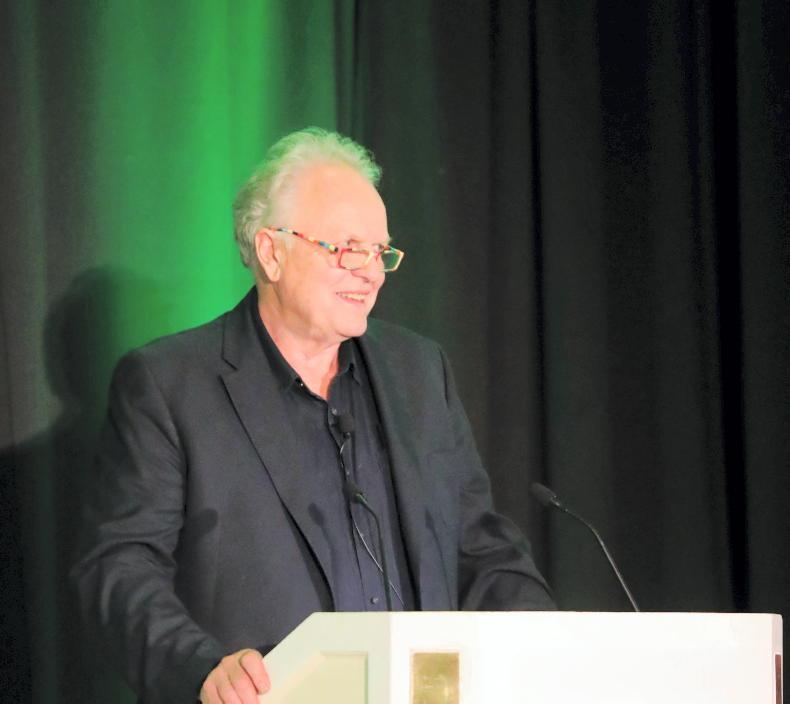
Highly respected breeder and equestrian William Micklem gives his take on the new pilot scheme.
“This is a terrific scheme by Treo Eile and Horse Sport Ireland,” he says.
“There are undoubted advantages if more thoroughbred mares have a useful life and if people see the results are a success. The problem of too many thoroughbred horses, female and male, languishing, having either not made it into training or failing to find useful roles after racing, is largely because the warmblood has taken their place. The USA is the best example of this, where most sport horses were once thoroughbreds until the late ‘70s.
“Medium and long-term renewed appreciation of the TB horse could help change this situation, putting a small downward pressure on the number of warmblood horses being bred.
“The modern sport horse world needs quality in all three major disciplines and the thoroughbred influence remains very important. Athletic thoroughbred mares with good paces and good attitude are definitely required as broodmares in modern sport.
“The thoroughbred is the ultimate breed improver. As Dr Thomas Lehmann, ex-director of the Westphalian State Stud, says: ‘You must have thoroughbred blood for elasticity.’
“The bottom line is that the three-quarter-bred horse was king in all disciplines, yet they went out of fashion because the thoroughbred has no sport-horse organisation to promote them. We need to find more thoroughbred genes for our breeding programmes and the new Treo Eile and Horse Sport Ireland initiative will help this greatly,” says William.
Dressage horses
“Dr Reiner Klimke’s Ahlerick, often cited as one of the best dressage horses of all time, is by the thoroughbred Angelo. John Ledingham’s great show jumper Kilbaha was 75% thoroughbred and John feels he would undoubtedly still be competitive in modern show jumping.
“The same can be said about Eddie Macken’s Boomerang and Con Power’s Rockbarton, both 75% thoroughbred. And of course the legendary Dundrum and Stroller were both by the thoroughbred Little Heaven. The majority of top jumpers today have at least 40% thoroughbred in their pedigree.”
The safety factor
William continues, “The use of thoroughbred blood is also a way to improve safety across country in eventing. Horses that are short of a gallop increase the risk of accidents as they approach their limit. We need horses that gallop and jump well within their maximum to increase the safety factor.
“High Kingdom, a horse I bred, was a silver medalist at the London Olympics with Zara Tindall. He was almost 94% thoroughbred but many thought he could have been a top jumper as well, just as Kilbaha could have been a top horse in all disciplines. Quality is the golden thread of breeding success.
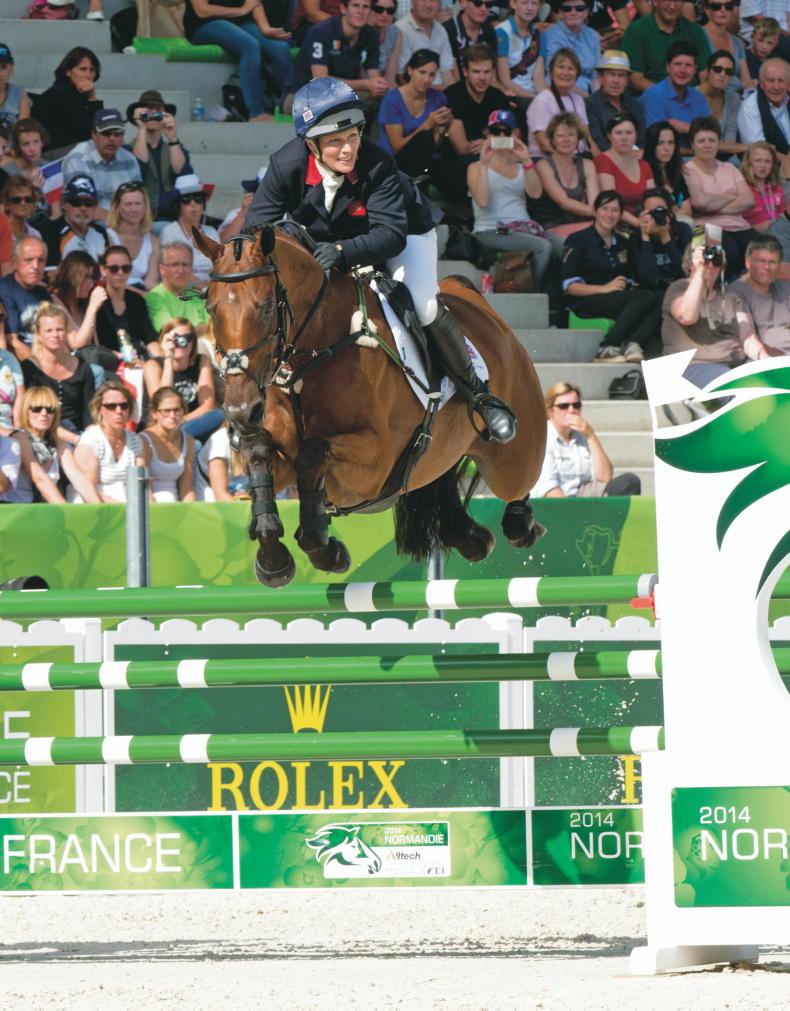
“The legendary double Olympic Champion and six-time 5* winner La Biosthetique Sam, with Michael Jung, has just recently passed away. Like most of the championship German horses since the advent of short format in eventing, he is over 70% thoroughbred, in his case 76%.
“There is more emphasis on the cross-country now with the removal of the old dressage coefficient, which spread the scores and put more emphasis on the dressage. Now the dressage scores are closer together, putting more emphasis on the cross-country. This means we need horses with gallop and stamina. This means we need the thoroughbred genes from a good-mile-and-a-half to two-mile racehorses.
“It is vital that mares are carefully inspected and assessed for suitability. The scheme will only benefit a small number of mares, but it gives a bigger opportunity to promote the value of the thoroughbred horse as a sport horse and change perceptions – this is the greatest potential value of the scheme in my opinion.”
The Treo Eile Thoroughbred Broodmare Scheme offers an additional pathway for registered thoroughbred broodmares, supporting their transition into sport horse breeding. Under the scheme, eligible mares will receive a reimbursement of €500 towards the 2026 covering fee upon submission of a 45-day positive pregnancy certificate and proof of covering payment.
Dr Sonja Egan, head of breeding, innovation and development at Horse Sport Ireland, has offered some notable examples of thoroughbred mares whose influence continues to make an impact, including Bellaney Jewel (IRE)(TB), dam of leading eventers Cooley Rosalent (ISH) CCI5*, Jewelent (ISH) CCI4*, and Govalent (ISH) CCI4*. She also referenced Riverside Deuce (IRE)(TB), dam of Riverside Ace (ISH) CSIO5*, and Legal Lady (IRE)(TB), dam of GRS Lady Amaro (ISH) CSIO5*.
Dr Egan added: “Thoroughbred mares have long been vital contributors to Ireland’s foundation bloodlines within the Irish Sport Horse and Traditional Irish Horse populations.
“They have also played a key role in Ireland’s success in the World Breeding Federation for Sport Horses rankings and at the highest levels of international sport under FEI.”


SHARING OPTIONS