In a typical year 25% of milk production and around 30% of total gain at grass is produced during April and May. As Aidan Brennan reports, now is a critical period to get the management of your swards right in order to achieve maximum output during this high-performance period.
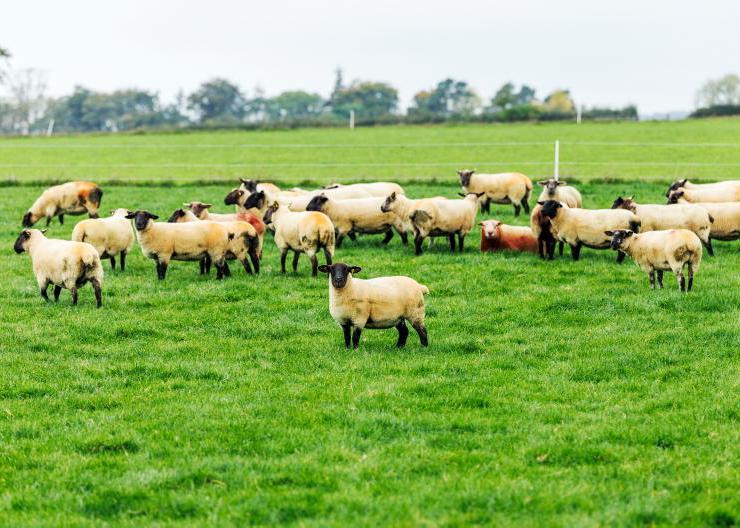
Walking the farm regularly over the coming weeks is key. While in an ideal world all farmers would measure grass growth and use this data to make their decisions, it is not all about quadrats or plate meters. Simply walking the farm and getting a handle on the amount of grass available and the likely time taken to complete a full rotation will serve as a good guide.
A useful tip is to stand in the field the animals are grazing and work out how long it will be before they are back in this field based on the plan and rotation. If it is between 20-25 days, you are on target. If it is higher, consider increasing demand by taking paddocks out – either for silage or reseeding. Alternatively, if it is going to be less than 20 days, you can reduce demand or boost grass growth with additional nitrogen. There is no prescriptive advice on how to manage grass over the next six weeks as the weather will determine what is required. Through our Grass+ pages and farmersjournal.ie, we will provide regular updates on what steps to take to make sure you meet targets.
ADVERTISEMENT
Register for free to read this story and our free stories.
This content is available to digital subscribers and loyalty code users only. Sign in to your account, use the code or subscribe to get unlimited access.
The reader loyalty code gives you full access to the site from when you enter it until the following Wednesday at 9pm. Find your unique code on the back page of Irish Country Living every week.
CODE ACCEPTED
You have full access to the site until next Wednesday at 9pm.
CODE NOT VALID
Please try again or contact support.
In a typical year 25% of milk production and around 30% of total gain at grass is produced during April and May. As Aidan Brennan reports, now is a critical period to get the management of your swards right in order to achieve maximum output during this high-performance period.
Walking the farm regularly over the coming weeks is key. While in an ideal world all farmers would measure grass growth and use this data to make their decisions, it is not all about quadrats or plate meters. Simply walking the farm and getting a handle on the amount of grass available and the likely time taken to complete a full rotation will serve as a good guide.
A useful tip is to stand in the field the animals are grazing and work out how long it will be before they are back in this field based on the plan and rotation. If it is between 20-25 days, you are on target. If it is higher, consider increasing demand by taking paddocks out – either for silage or reseeding. Alternatively, if it is going to be less than 20 days, you can reduce demand or boost grass growth with additional nitrogen. There is no prescriptive advice on how to manage grass over the next six weeks as the weather will determine what is required. Through our Grass+ pages and farmersjournal.ie, we will provide regular updates on what steps to take to make sure you meet targets.
If you would like to speak to a member of our team, please call us on 01-4199525.
Link sent to your email address
We have sent an email to your address. Please click on the link in this email to reset your password. If you can't find it in your inbox, please check your spam folder. If you can't find the email, please call us on 01-4199525.
ENTER YOUR LOYALTY CODE:
The reader loyalty code gives you full access to the site from when you enter it until the following Wednesday at 9pm. Find your unique code on the back page of Irish Country Living every week.






SHARING OPTIONS